| XXX |
| XXX |
| XXX |
| XXX |
Looking at Christmas in a New Light Dec. 22, 1882: By Tony Long www.wired.com/thisdayintech/2009/12/1222johnson-creates-christmas-lights |
| Edward H. Johnson, who toiled for Thomas Edison’s Illumination Company and later became a company vice president, used 80 small red, white and blue electric bulbs, strung together along a single power cord, to light the Christmas tree in his New York home. Some sources credit Edison himself with being the first to use electric lights as Christmas decorations, when he strung them around his laboratory in 1880. Sticking them on the tree was Johnson’ s idea, though. It was a mere three years after Edison had demonstrated that light bulbs were practical at all. The idea of replacing the Christmas |
| XXX |
Baker moved to Cleveland, where he became active in local politics. After serving as
city solicitor from 1901 to 1909, he became mayor of the city in 1911. As a city
official, Baker's main interests were public power, transit reform, and city
beautification. He was a strong backer of Cleveland College, now a part of Case
Western Reserve University.
Baker was a considered a possible vice-presidential contender in 1912, when he worked
on Wilson's behalf at the Democratic National Convention in Baltimore. Though offered
the post twice, he declined to serve as Secretary of the Interior during President
Wilson's first term. He and Wilson had been acquaintances since they were both at
Johns Hopkins in the 1890s.
In 1916, following his tenure as mayor of Cleveland, Baker and two other partners
founded the law firm of Baker Hostetler.
As the United States considered whether to enter World War I, President Woodrow
city solicitor from 1901 to 1909, he became mayor of the city in 1911. As a city
official, Baker's main interests were public power, transit reform, and city
beautification. He was a strong backer of Cleveland College, now a part of Case
Western Reserve University.
Baker was a considered a possible vice-presidential contender in 1912, when he worked
on Wilson's behalf at the Democratic National Convention in Baltimore. Though offered
the post twice, he declined to serve as Secretary of the Interior during President
Wilson's first term. He and Wilson had been acquaintances since they were both at
Johns Hopkins in the 1890s.
In 1916, following his tenure as mayor of Cleveland, Baker and two other partners
founded the law firm of Baker Hostetler.
As the United States considered whether to enter World War I, President Woodrow
Newton Diehl Baker, Jr. (December 3, 1871 –
December 25, 1937) was an American politician
who belonged to the Democratic Party. He served as
the 37th mayor of Cleveland, Ohio from 1912 to
1915 and as U.S. Secretary of War from 1916 to
1921.
Baker was born on December 3, 1871, in
Martinsburg, West Virginia, the son of Newton
Diehl Baker and Mary Ann (Dukehart) Baker. In
1892 he graduated from Johns Hopkins University.
He was a member of Phi Gamma Delta. After
receiving his law degree from Washington and Lee
University School of Law in 1894, he became the
private secretary to Postmaster General William L.
Wilson in Washington, D.C..
December 25, 1937) was an American politician
who belonged to the Democratic Party. He served as
the 37th mayor of Cleveland, Ohio from 1912 to
1915 and as U.S. Secretary of War from 1916 to
1921.
Baker was born on December 3, 1871, in
Martinsburg, West Virginia, the son of Newton
Diehl Baker and Mary Ann (Dukehart) Baker. In
1892 he graduated from Johns Hopkins University.
He was a member of Phi Gamma Delta. After
receiving his law degree from Washington and Lee
University School of Law in 1894, he became the
private secretary to Postmaster General William L.
Wilson in Washington, D.C..
| XXX |
What Ruth Had to Say |
| XXX |
| xxx |
| XXX |
| Collier's Spin on the Puzzle |

 |  |  |  |


 |  |  |  |
| Quiz #425 Results |

| Answers to Quiz #425 - December 29, 2013 |
| ********** |
|
| ********** |

| Thanks to Quizmaster Emeritus Jim Kiser for submitting this quiz. |

| If you have a picture you'd like us to feature a picture in a future quiz, please email it to us at CFitzp@aol.com. If we use it, you will receive a free analysis of your picture. You will also receive a free Forensic Genealogy CD or a 10% discount towards the purchase of the Forensic Genealogy book. |
| If you enjoy our quizzes, don't forget to order our books! Click here. |
!-- Start Quantcast tag -->

| Congratulations to Our Winners! Janice M. Sellers Tish Olshefski Margaret Paxton Kim Richardson Owen Blevins Dennis Brann John Thatcher Gus Marsh Ruth Brannigan Collier Smith Winnifred Evans Catherine Bence Rebecca Bare Cynthia Costigan Tynan Peterson Edna Cardinal Carol Gene Farrant Marcelle Comeau Sharon M. Levy Judy Pfaff Donna Van Benschoten Mike Dalton Grace Hertz and Mary Turner The Fletcher Sisters! Robert Edward and Donald McKenna Quiz Poets Laureate |
|
| ********** |
| ********** |
| ********** |


| John Thatcher |
The wife gets all the credit for the table.
Collier Smith
Colorado
Collier Smith
Colorado
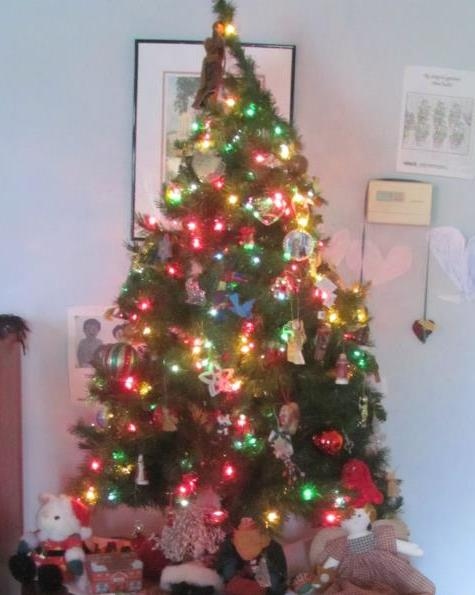
Cynthia Costigan
Canada
Canada
| Rebecca Bare |
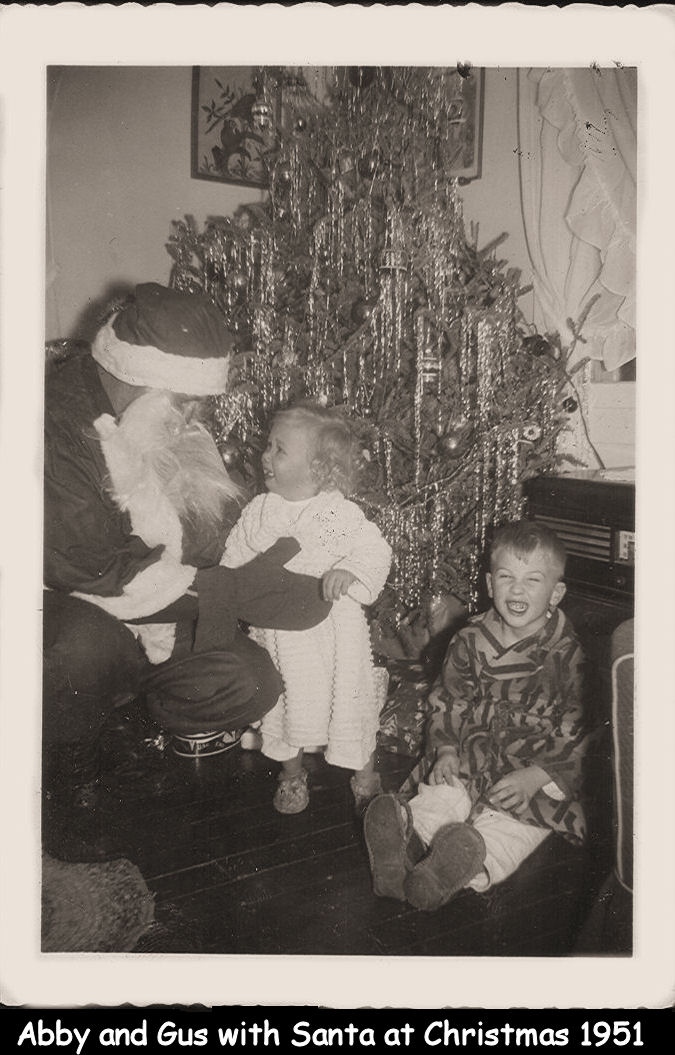
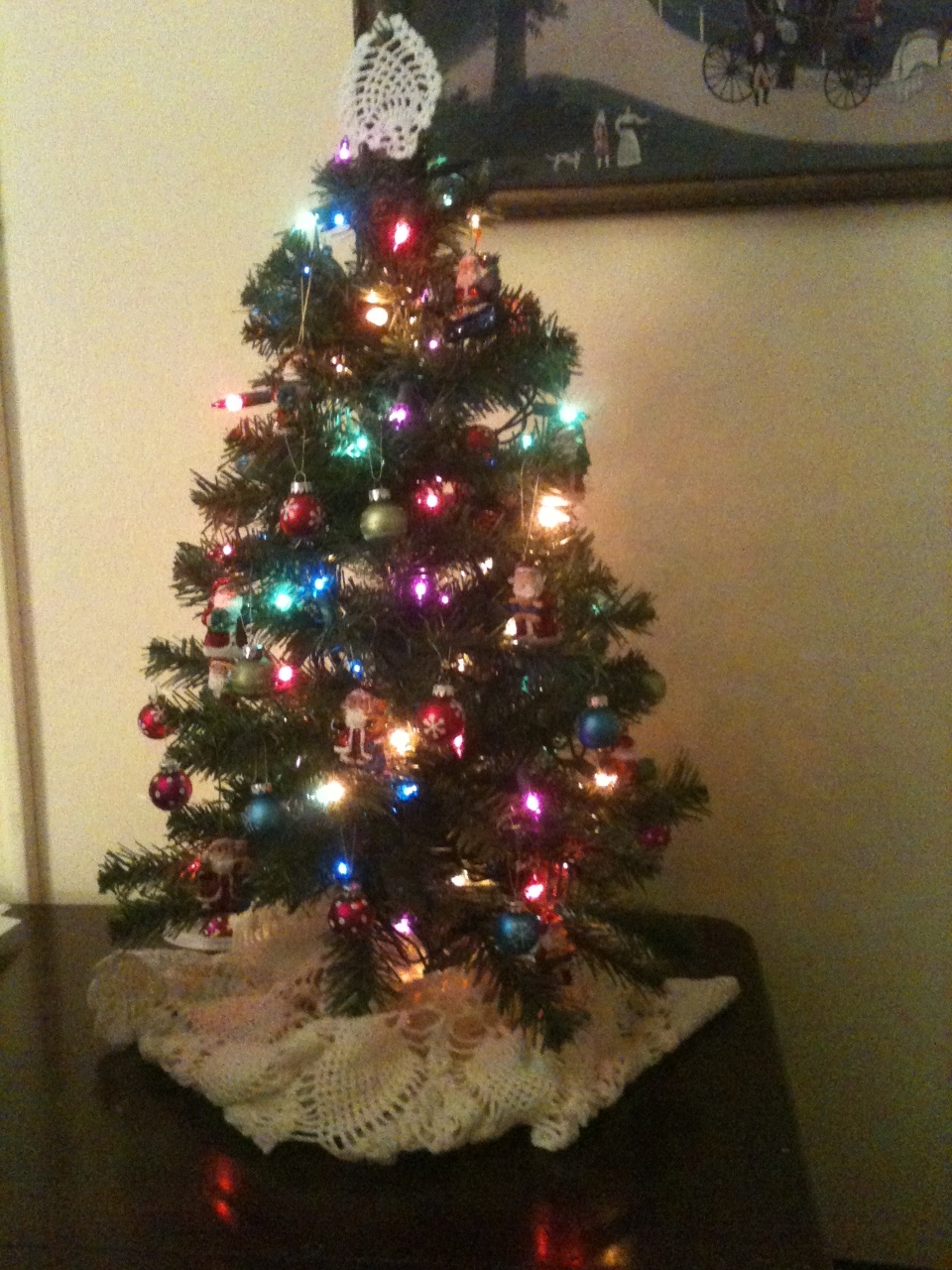
My sainted grandmother created
the tree base cover and,
coincidentally, a friend used a
similar pattern to make the
decoration. My tree is small, so
the top was the perfect place!
Ruth Brannigan
Virginia
the tree base cover and,
coincidentally, a friend used a
similar pattern to make the
decoration. My tree is small, so
the top was the perfect place!
Ruth Brannigan
Virginia
Gus Marsh
Huntington Beach, CA
Huntington Beach, CA
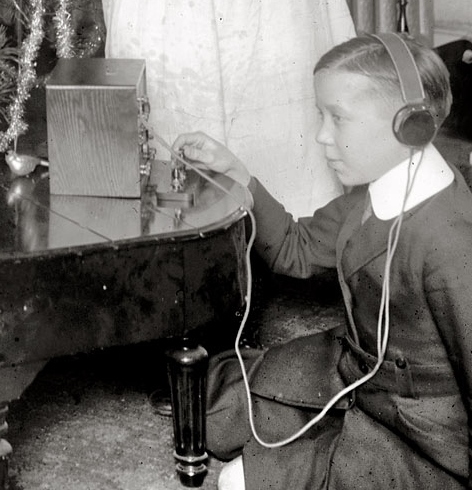
| The device to which the boy is listening appears to be either a radio receiver or transmitter. Radio receivers for the home in the U.S. were not needed before 1916, because there were no broadcasters until then. On the other hand, amateur radio buffs were active from around 1900. While the device is on the small side for a very early transmitter/receiver, I can't rule it out. The photo does not show clearly whether the boy's hand is on a key for sending Morse code, or some other device, such as a tuning element that might be found on both receivers and transmitters. My gut feeling is that the device is not a transmitter, and the photo was probably taken after 1916, and more likely in the 1920s when broadcasting became common. Collier Smith N.B. The photo was taken in 1919. See www.shorpy.com/node/7159 - Q. Gen. Well, I didn't miss the date by much. After I submitted my entry, I used Google Image reverse search to track down the image, but the only source I found implied it was from 1882 or so, when the tree lights were first used. I knew that couldn't be right though, based on the radio set. Also, the clothes didn't feel quite right for 1882. Collier Smith |


| December 1900. Christmas tree in the home of Wilbur and Orville Wright at 7 Hawthorn Street in Dayton, Ohio, three years before their famous flight. 4x5 dry-plate glass negative by the Wright Brothers. There's a lot of detail here for fans of old-school Christmas decoration. www.shorpy.com/node/2119 |
| I’ve calculated the date of this photographed event to be no earlier than 1925. KDKA Radio In 1920, KDKA was the first station to broadcast commercially. Crystal set radios were used residentially by many to tune in to music and announcements in the 20s and were able to be built by hobbyists. Earphones were required for proper listening since the signal was usually weak. During the mid 1920s crystal sets were superseded by amplifying receivers and regenerative circuit radios. Judging from the housing and stylized earphones, the boys radio is a regenerative circuit and not a crystal set. That could place it in the mid-1925s. ALUMINUM In 1888 a commercial plant started manufacturing aluminum in Pittsburgh, PA. About 1903 it moved to Tarentum, PA, just north along the Allegheny River. It produced commercial products and raw goods. Aluminum was used just before 1900 to manufacture bicycles due to its light-weight quality and durability. Eventually smaller residential uses were developed like Christmas tree ornaments such as the swag being placed on the tree in our photo this week. INCANDESCENT LIGHT BULB In 1910, the incandescent light bulb was perfected for residential use. However, in the 1920s electricity prices took a severe pricing cut making it a more affordable means of home lighting. Before that, commercial businesses had upgraded to it due to the increase in brightness. With the benefits from no longer using gas lighting, such as the retrofitted gas outlet, households had brighter lighting, increased affordability of electricity, and greater cleanliness from no longer having carbon film deposited on walls, ceilings, and lungs. By the 1930s 90% of American urban households enjoyed residential lighting using the incandescent bulb. BARETTES Barettes have been adorning hair in some fashion throughout history. However, the one holding the hair of the younger daughter, and probably the older daughter, was not in fashion until the mid 1920s. Ruth Brannigan |
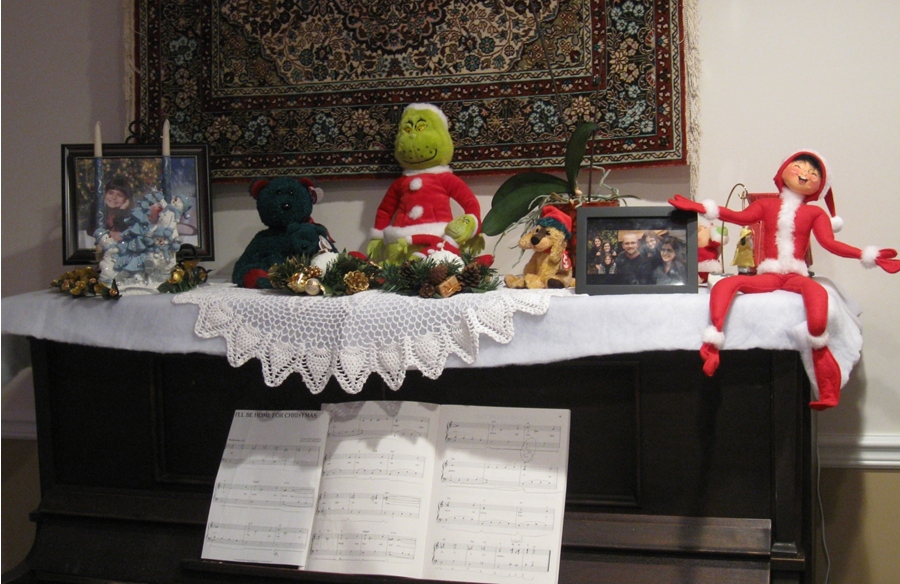
| Christmas at the Homes of Our Quizmasters |
Well, I have a young grand-daughter so I
still go with a small area of stuffed toys
she can play with – the Grinch, the
Christmas Bears, puppies and the Elf to
name just a few! Nothing spectacular but
she likes it.
Marcelle Comeau
Canada
still go with a small area of stuffed toys
she can play with – the Grinch, the
Christmas Bears, puppies and the Elf to
name just a few! Nothing spectacular but
she likes it.
Marcelle Comeau
Canada
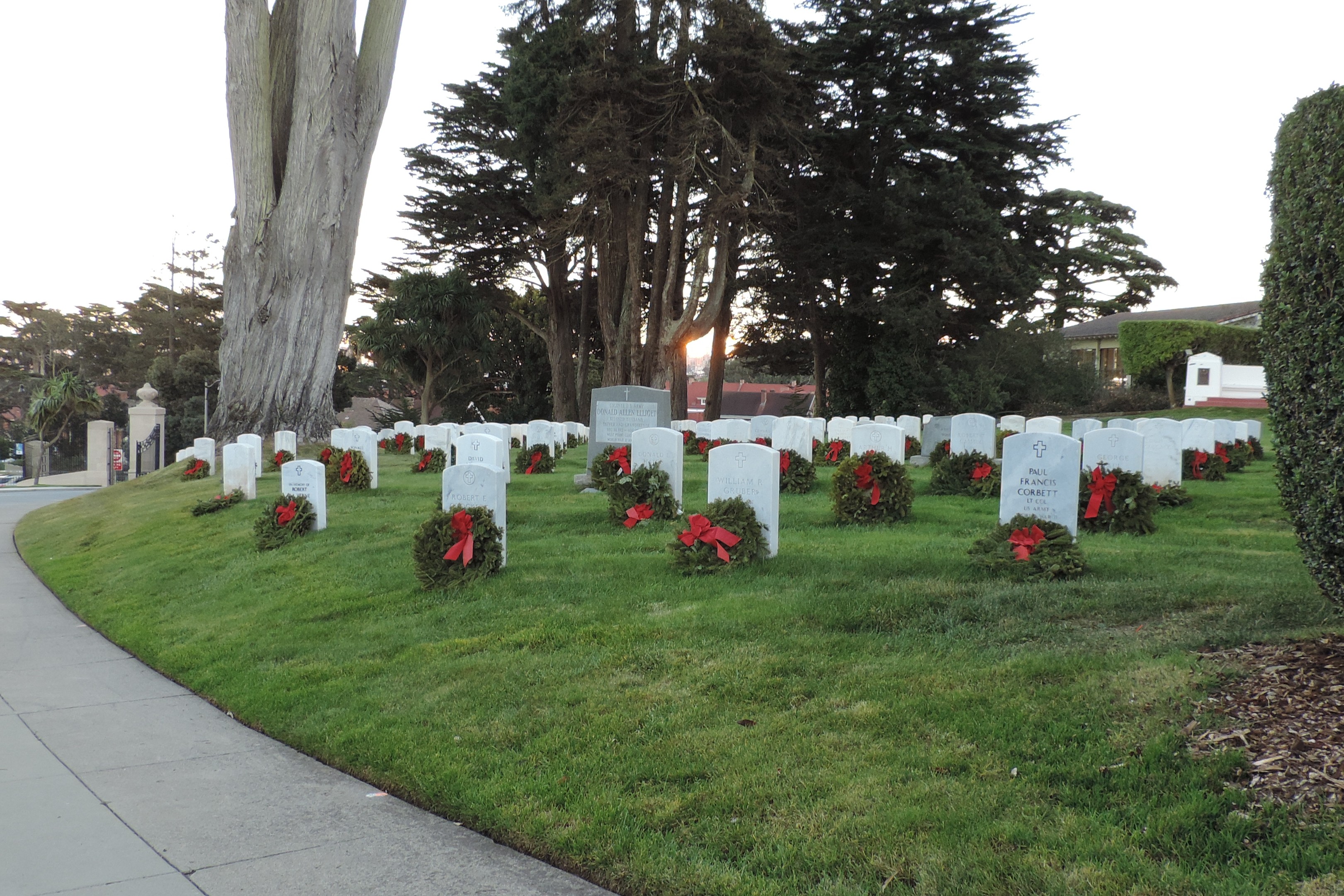
This is the San Francisco National
Cemetery in the Presidio of San
Francisco. I think it is pretty. The
wreaths are from Wreaths Across
America, funded by donations.
Carol Farrant
San Francisco
Cemetery in the Presidio of San
Francisco. I think it is pretty. The
wreaths are from Wreaths Across
America, funded by donations.
Carol Farrant
San Francisco
|
| ********** |
| ********** |
| Clues in the Picture |
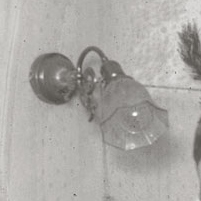

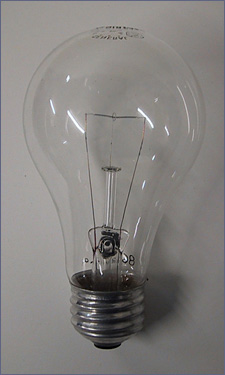
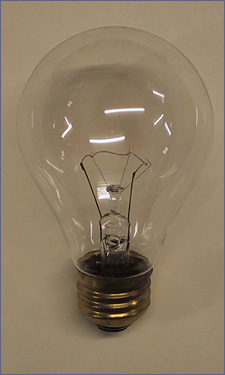
This single coiled tungsten filament light bulb was manufactured from 1919 onward as
a tip-less bulb. By coiling a very long tungsten filament, the effective length of the
filament is increased (in order to increase the wattage) without taking up more space.
Its development was the next step resulting from Dr. William D. Coolidge’s hard
work in creating a bright, glowing ductile tungsten filament. It looks more like the
standard household light bulb of today and is the last phase in the evolution towards
today’s modern, economical and popular incandescent light bulb.
www.schenectadymuseum.org...
a tip-less bulb. By coiling a very long tungsten filament, the effective length of the
filament is increased (in order to increase the wattage) without taking up more space.
Its development was the next step resulting from Dr. William D. Coolidge’s hard
work in creating a bright, glowing ductile tungsten filament. It looks more like the
standard household light bulb of today and is the last phase in the evolution towards
today’s modern, economical and popular incandescent light bulb.
www.schenectadymuseum.org...
| ********** |
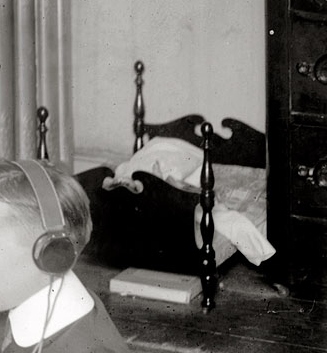
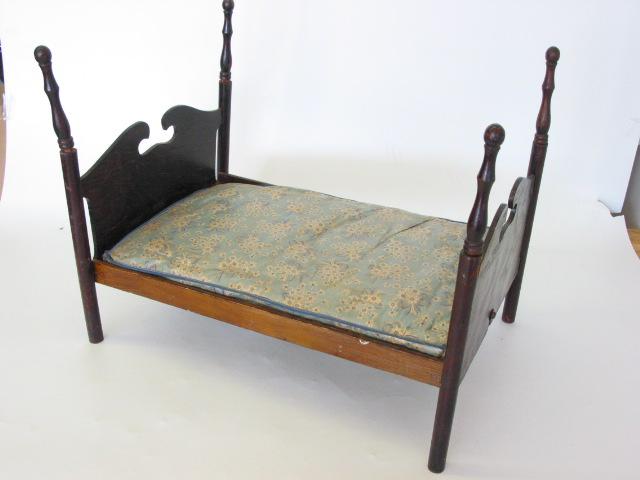
Four-poster Doll Bed
www.antiquesnavigator.com/d-28566/antique-wood-4-poster-doll-bed.html
www.antiquesnavigator.com/d-28566/antique-wood-4-poster-doll-bed.html
| ********** |
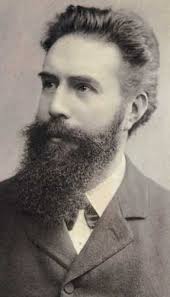
| Newton Diehl Baker Jr |
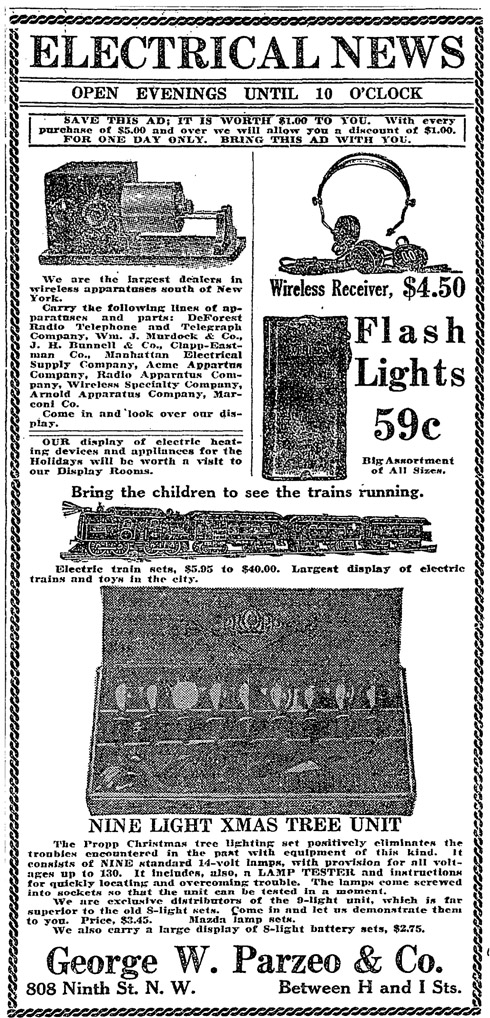
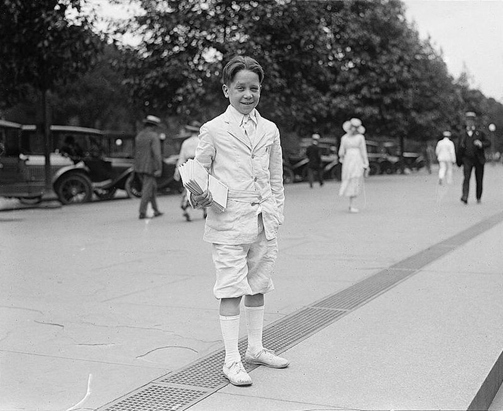
| Washington Post ad from December 14, 1919. Wireless telegraphy/ telephony sets for the kiddies, and Christmas lights! [Note the ad is undated and the radio set is considerably different from Jack's.] www.shorpy.com/node/... |
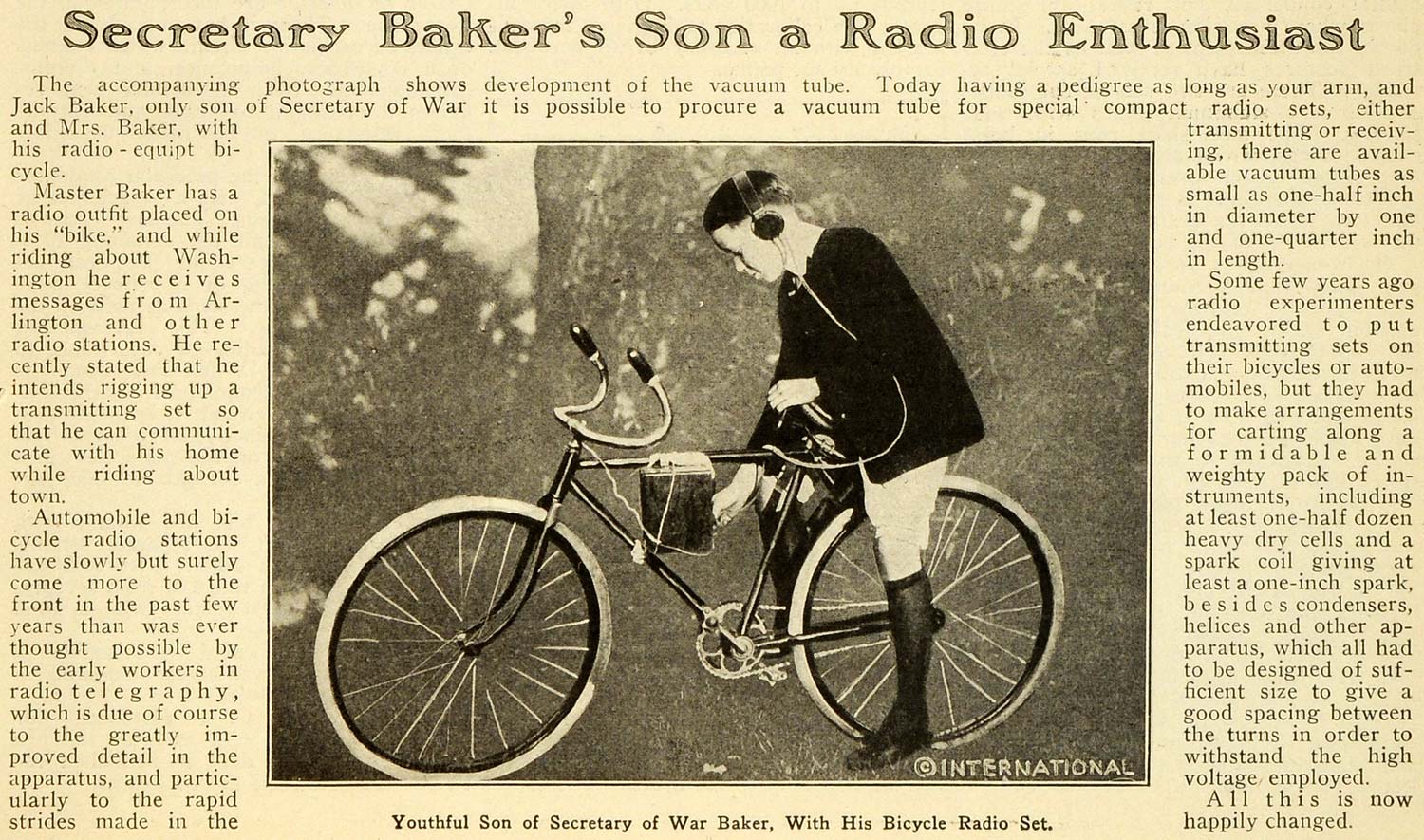
| Newpaper article about Jack Baker available on eBay. Date given as about 1920. c590298.r98.cf2.rackcdn.com/SI1_158.JPG |
| ********** |
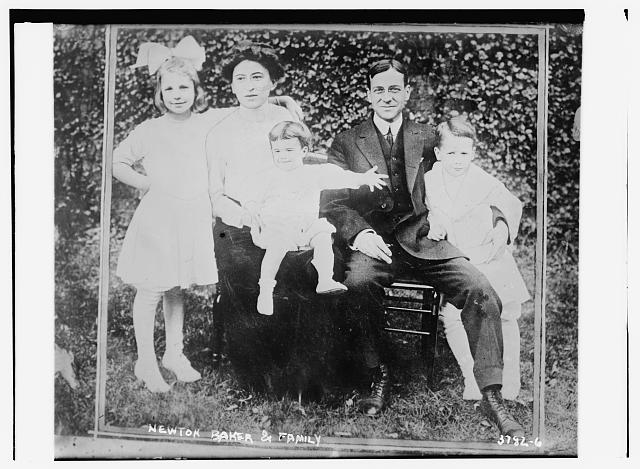
| Family of Secretary of War Newton Baker, Undated www.loc.gov/pictures/resource/ggbain.21235/ |
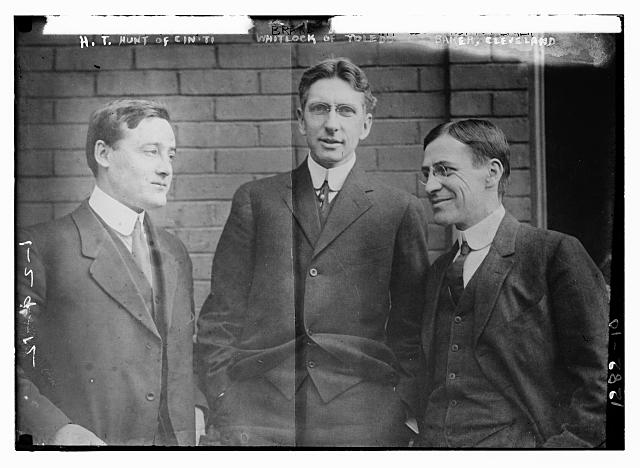
| Mayors H.T. Hunt of Cincinnati, Brand Whitlock of Toledo, Newton Baker of Cleveland www.loc.gov/pictures/resource/ggbain.06666/ |
| Miscellaneous - The Evolution of the Wristwatch www.vintagewatchstraps.com/wristwatches.html |
| ********** |
| Newton Diehl Baker and Family |
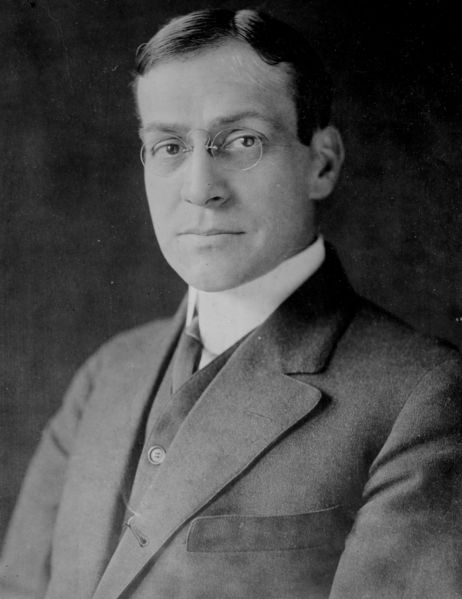
Wilson named Baker Secretary of War, because Baker was
acceptable to advocates and opponents of American
participation in the conflict. The post also required legal
expertise because of the War Department's role in
administering the Philippines, the Panama Canal, and Puerto
Rico. The New York Times called him a "warm supporter"
of the President. At age 44 he was the youngest member of
the Cabinet.
One historian described his relationship to the military:
A civilian's civilian, Baker saw the military as a necessity,
acceptable to advocates and opponents of American
participation in the conflict. The post also required legal
expertise because of the War Department's role in
administering the Philippines, the Panama Canal, and Puerto
Rico. The New York Times called him a "warm supporter"
of the President. At age 44 he was the youngest member of
the Cabinet.
One historian described his relationship to the military:
A civilian's civilian, Baker saw the military as a necessity,
| Newton Diehl Baker III "Jack" 1919 drx.typepad.com/psychotherapyblog/20... |
but he had no awe of people in uniform, no romantic feelings toward them, and no
dreams of glory....On the day President Woodrow Wilson announced Baker's
appointment as secretary of war, he admitted his ignorance of military matters. "I am
an innocent," he told reporters, "I do not know anything about this job." But he had a
sharp, analytical mind and considerable skill at administration.
As Secretary of War, Baker presided over the American military participation in the war
in 1917-18, including the creation of a nationwide military draft. Baker selected Gen.
dreams of glory....On the day President Woodrow Wilson announced Baker's
appointment as secretary of war, he admitted his ignorance of military matters. "I am
an innocent," he told reporters, "I do not know anything about this job." But he had a
sharp, analytical mind and considerable skill at administration.
As Secretary of War, Baker presided over the American military participation in the war
in 1917-18, including the creation of a nationwide military draft. Baker selected Gen.
| Elizabeth Leopold Baker |
| Newton Diehl Baker II b. 3 December 1871, Martinsburg, Berkeley Co., WV d. 25 December 1937, Cleveland, Cuyahoga Co., OH Father: Newton Diehl Baker Mother: Mary Dukehart Lawyer Mayor of Cleveland 1912–1916 Sec'y of War 1916 – 1921 m. 5 July 1902 Wife Elizabeth Wells Leopold b. 21 August 1873, Montgomer Co., PA d. August 1951, Cleveland, Cuyahoga Co., OH Children Elizabeth Baker b. 3 July 1905, Cleveland, Cuyahoga Co., OH d. ? Aft 1940 m. John P McGean, 26 Dec 1926, Cleveland, Cuyahoga Co., OH John McGean worked as a Trust Officer for a commercial bank in Cleveland. He was born 26 December 1903 and died 8 November 1949 in Cleveland, Cuyahoga Co., OH. Newton D. Baker III b. 17 March 1907, Ohio b. 9 January 1982, Geauga County,Ohio m1. Keziah Strong, 24 July 1931, Cleveland, Cuyahoga Co., OH m2. Phyllis Ingham Findagrave Memorial #67554807 for Newton D Baker III Businessman As a child, Mr. Baker was called Jack. His father wanted to name him John but his mother named him after his father. He was eight years old when his father joined Woodrow Wilson's Cabinet. He chose not to attend college and went to work at the Glenn L. Martin Co. where he inspected propellers. He also barnstormed with Curtiss-Wright Flying Services. He then spent a year touring the world and then another recuperating from a collapsed lung. In 1942, he became an assistant to the president of the Cleveland Graphic Bronze Company. He commuted between Cleveland and Washington handling the company's government business. Mr. Baker was executive vice president and then president of Harris Products from 1949 until 1956 when it became Maloney Electric Co. He retired in 1959. In 1966, he became an employee of the Lakeview Cemetery and patrolled the grounds trying to keep the park likeness of the cemetery. He belonged to many organizations including the Holden Arboretum. Margaret Baker b. 23 March 1912, OH d. 7 March 1999, Cleveland, Cuyahoga Co., OH m. Fulton Wright, 26 May 1934, Cleveland, Cuyahoga Co., OH b. 12 August 1907, Arkansas d. 17 November 1993, Santa Barbara Co., CA, buried in Cleveland, Cuyahoga Co., OH Worked as a statistical clerk in the navigation industry |
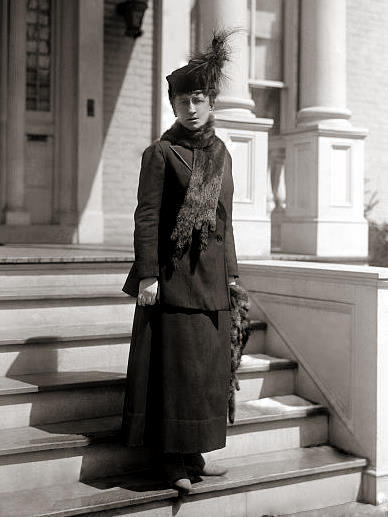
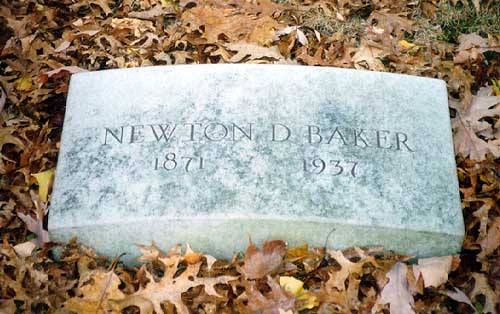
John J. Pershing to head the Allied Expeditionary
Force. At Baker's insistence, Wilson made the
American forces an independent fighting partner of
the Allies against the Central Powers, rather than
letting American troops be used to replenish British
and French forces as those nations advised. At one
meeting with British Prime Minister Lloyd George,
he told him that "if we want advice as to who should
command our armies, we would ask for it. But until
then we do not want nor need it from anyone, least
of all you."
He was occasionally attacked by military
professionals who thought him incompetent or a
pacifist at heart. He said: "I'm so much of a pacifist,
I'm willing to fight for it."
Force. At Baker's insistence, Wilson made the
American forces an independent fighting partner of
the Allies against the Central Powers, rather than
letting American troops be used to replenish British
and French forces as those nations advised. At one
meeting with British Prime Minister Lloyd George,
he told him that "if we want advice as to who should
command our armies, we would ask for it. But until
then we do not want nor need it from anyone, least
of all you."
He was occasionally attacked by military
professionals who thought him incompetent or a
pacifist at heart. He said: "I'm so much of a pacifist,
I'm willing to fight for it."
In 1917 Baker was elected an honorary member of the Virginia Society of the
Cincinnati. In 1918, Wilson told Baker that he hoped he would follow him into the
White House in 1920. Baker married Elizabeth Leopold, a graduate of Wilson College,
on July 5, 1902. They had two daughters and a son.
He died of a cerebral hemorrhage in Shaker Heights, Ohio, on Christmas Day,
December 25, 1937. He was buried in Lake View Cemetery. His wife died on August
24, 1951.
Cincinnati. In 1918, Wilson told Baker that he hoped he would follow him into the
White House in 1920. Baker married Elizabeth Leopold, a graduate of Wilson College,
on July 5, 1902. They had two daughters and a son.
He died of a cerebral hemorrhage in Shaker Heights, Ohio, on Christmas Day,
December 25, 1937. He was buried in Lake View Cemetery. His wife died on August
24, 1951.
| ********** |
| Newton Diehl Baker Jr. Obit Martinsburg Evening Journal December 27, 1937 Click here. |
| Edward Hibberd Johnson |
| tree’s traditional wax candles — which had been around since the mid-17th century — with electric lights didn’t, umm, catch fire right away. Although the stringed lights enjoyed a vogue with the wealthy and were being mass-produced as early as 1890, they didn’t become popular in humbler homes until a couple of decades into the 20th century. A general distrust of using electricity for indoor lighting, still widespread in the late 19th century, kept the popularity of Christmas lights low. They were most commonly seen ringing the seasonal display windows of big-city department stores. In 1895, President Grover Cleveland (a New York stater himself) supposedly ordered the family’s White House tree festooned with multicolored electric lights. If he did, it barely moved the needle on the popularity scale. Even so, General Electric began selling Christmas-light kits in 1903. Another New Yorker is generally credited with popularizing indoor electric Christmas lights. According to the story, Albert Sadacca, whose family sold ornamental novelties, became a believer in 1917 after reading the account of a bad fire caused by a candlelit tree bursting into flames. Whether or not that’s the reason, Sadacca began selling colored Christmas lights through the family business. By then, the public’s distrust of electricity had diminished. So the timing was right, and sales took off. With his brothers, Sadacca later started a company devoted solely to the manufacture of electric Christmas lights. He succeeded in roping a few competitors into a trade association, which proceeded to dominate the Christmas-light industry into the 1960s. |

[This picture] brings back some neat
memories for me. I believe it was 1952.
My brother got a Smokey the Bear doll.
I'm sure it was an original.
My brother loved this doll. It endured
many patches through the years. My
mother claimed that she received it back in
a package from my brother's basic training
when he was sent to Vietnam. She like the
TV show Mash and may have been making
up a good family story.
The two lamps were presents to my dear
Grandmother. She had a floor lamp that
landed on the floor many times when her
grandchildren including me were running
about her living room. I can remember my
memories for me. I believe it was 1952.
My brother got a Smokey the Bear doll.
I'm sure it was an original.
My brother loved this doll. It endured
many patches through the years. My
mother claimed that she received it back in
a package from my brother's basic training
when he was sent to Vietnam. She like the
TV show Mash and may have been making
up a good family story.
The two lamps were presents to my dear
Grandmother. She had a floor lamp that
landed on the floor many times when her
grandchildren including me were running
about her living room. I can remember my
| Judy Pfaff Michigan |
Mother telling her that these lamps would not tip over. Ha! They did survive many
tippings. I don't know how many years it was before the cellophane wrappings on the
shades were removed? I think one was cream or white and the other shade rose.
The other interesting object is the medicine cabinet on the wall back of the tree. I have
that cabinet now. My husband refinished it for my Mother in the 70s, then we got it
back after she passed. It had a note that my husband was to receive it. It originally
belonged to my great grandfather who was a doctor from 1892 to 1915. The other odd
item is the ash tray stand to the far left in the picture and only party visible. No one in
our family smoked. That ash tray stand was always around and waiting for some guest
smoker to use. Yes, it got tipped over many times too.
The wall paper is typical of the 1950s with bright green fern plants and the flooring
linoleum with big squares of green and gray. I wonder what the other presents were
under the tree that year? My folks would stay up well into the morning some years
putting together bikes and other toys. It was dark because the blinds were pulled.
You should see the snow we have in our part of the world. We survived two weeks of
ice on the trees and now at least 12 inches and perhaps more to come of snow. It's
Michigan.
tippings. I don't know how many years it was before the cellophane wrappings on the
shades were removed? I think one was cream or white and the other shade rose.
The other interesting object is the medicine cabinet on the wall back of the tree. I have
that cabinet now. My husband refinished it for my Mother in the 70s, then we got it
back after she passed. It had a note that my husband was to receive it. It originally
belonged to my great grandfather who was a doctor from 1892 to 1915. The other odd
item is the ash tray stand to the far left in the picture and only party visible. No one in
our family smoked. That ash tray stand was always around and waiting for some guest
smoker to use. Yes, it got tipped over many times too.
The wall paper is typical of the 1950s with bright green fern plants and the flooring
linoleum with big squares of green and gray. I wonder what the other presents were
under the tree that year? My folks would stay up well into the morning some years
putting together bikes and other toys. It was dark because the blinds were pulled.
You should see the snow we have in our part of the world. We survived two weeks of
ice on the trees and now at least 12 inches and perhaps more to come of snow. It's
Michigan.