| XXX |
“Whirl”. It was a tenuous connection but I couldn’t find a better starting point.
PARADING NURSES
Then, I turned to the parade. At first, I thought the photo depicted a Red Cross nurses’
parade during WW to raise funds for the war effort. I found that such a parade took
place in Pittsburgh and might have assumed I had found the solution except for a
suspicion. I wasn’t sure the nurses’ uniforms were consistent with the date of the
WWI parade. I also wanted to confirm the parade’s route to identify the photograph’s
specific location.
NURSE UNIFORMS
Further research revealed that the uniforms in the puzzle parade were not WWI field
nurse uniforms. In fact, they were quite different from the uniforms worn by WWI
Red Cross nurses shown parading in other historic photographs of the period. The
puzzle photo uniforms seemed to be a little earlier or representing a different nursing
assignment.
I turned my search to finding other types of parades in which nurses might have
participated in the late nineteenth and early twentieth centuries. When searching
parades for the Spanish American War didn’t yield relevant results, I widened my
perspective to include parades with other types of participants. Then it came to me –
Suffragette Marches! Historic photos of these marches showed nurses wearing all-
white uniforms, some with veiled caps, and carrying the United States flag. These
were a better match for the puzzle parade.
SUFFRAGETTE MARCH ROUTE TO FIND BRIDGE
I searched on “Suffragette March Pittsburgh”, and found a front page newspaper
article from the period, describing a Suffragette March of 5,000 on Sunday October 17,
1915. The article included a street-by-street description of the parade route.
I located an 1892 street map of Pittsburgh and traced the route, including the bridge
where it crossed the Allegheny River at Sixth Street. I couldn’t wait to see a picture of
the bridge to match it to the puzzle photograph. I was disappointed to find a more
recent (but lovely) bridge post-dating the march.
BRIDGE WAS MOVED
Further searching led me to the information that the bridge in place in 1915 had been
removed and floated to another location.
BRIDGE PHOTOGRAPH IN HISTORIC AMERICAN ENGINEERING RECORD
The Library of Congress American Memory collection includes the Historic American
Engineering Record (HAER) collection, including an HAER for the bridge when it was
in Coraopolis. The bridge’s records contain 27 digitized photographs, including the
view of its southern entry, or portal.
The photograph shows the entrance to the bridge taken roughly from the same angle.
PARADING NURSES
Then, I turned to the parade. At first, I thought the photo depicted a Red Cross nurses’
parade during WW to raise funds for the war effort. I found that such a parade took
place in Pittsburgh and might have assumed I had found the solution except for a
suspicion. I wasn’t sure the nurses’ uniforms were consistent with the date of the
WWI parade. I also wanted to confirm the parade’s route to identify the photograph’s
specific location.
NURSE UNIFORMS
Further research revealed that the uniforms in the puzzle parade were not WWI field
nurse uniforms. In fact, they were quite different from the uniforms worn by WWI
Red Cross nurses shown parading in other historic photographs of the period. The
puzzle photo uniforms seemed to be a little earlier or representing a different nursing
assignment.
I turned my search to finding other types of parades in which nurses might have
participated in the late nineteenth and early twentieth centuries. When searching
parades for the Spanish American War didn’t yield relevant results, I widened my
perspective to include parades with other types of participants. Then it came to me –
Suffragette Marches! Historic photos of these marches showed nurses wearing all-
white uniforms, some with veiled caps, and carrying the United States flag. These
were a better match for the puzzle parade.
SUFFRAGETTE MARCH ROUTE TO FIND BRIDGE
I searched on “Suffragette March Pittsburgh”, and found a front page newspaper
article from the period, describing a Suffragette March of 5,000 on Sunday October 17,
1915. The article included a street-by-street description of the parade route.
I located an 1892 street map of Pittsburgh and traced the route, including the bridge
where it crossed the Allegheny River at Sixth Street. I couldn’t wait to see a picture of
the bridge to match it to the puzzle photograph. I was disappointed to find a more
recent (but lovely) bridge post-dating the march.
BRIDGE WAS MOVED
Further searching led me to the information that the bridge in place in 1915 had been
removed and floated to another location.
BRIDGE PHOTOGRAPH IN HISTORIC AMERICAN ENGINEERING RECORD
The Library of Congress American Memory collection includes the Historic American
Engineering Record (HAER) collection, including an HAER for the bridge when it was
in Coraopolis. The bridge’s records contain 27 digitized photographs, including the
view of its southern entry, or portal.
The photograph shows the entrance to the bridge taken roughly from the same angle.
| XXX |
| XXX |
| XXX |
| How Jim Suggests You Solve the Puzzle |
| XXX |
| XXX |
N.B. Even though Barbara changed her mind about the event depicted in the photo
- she earns a gold star for her excellent anaysis of this week's photo. - Q. Gen.
I arrived at a solution for this puzzle using a combination of approaches.
SIGNS
- she earns a gold star for her excellent anaysis of this week's photo. - Q. Gen.
I arrived at a solution for this puzzle using a combination of approaches.
SIGNS
However, by the late 1980s, the old bridge could no longer support traffic volumes. It
was replaced in 1995 by the Coraopolis Bridge, a modern girder bridge over the back
channel of the Ohio River connecting Grand Avenue on Neville Island to Ferree Street
in Coraopolis, Pennsylvania.
The third Sixth Street Bridge was designed by the nationally-significant engineer
Theodore Cooper (1839–1919). This bridge has been identified as the last surviving
structure entirely designed by Cooper, whose involvement extended even to such details
as the bridge's handrail, lamps, and fascia.
The third Sixth Street Bridge, like most roadway river bridges in the 19th century, was
privately built and operated as a toll crossing. The total cost of construction was
$560,000. This cost was underwritten by the Sixth Street Bridge Company and Fidelity
Title and Trust Company, successors to the Allegheny Bridge Company, which had
received its charter in 1810. When the bridge was opened in 1893, the toll was set at
two cents for each man, while women crossed at no charge. Beginning in the late
1890s, Allegheny County and the City of Pittsburgh undertook a systematic program of
was replaced in 1995 by the Coraopolis Bridge, a modern girder bridge over the back
channel of the Ohio River connecting Grand Avenue on Neville Island to Ferree Street
in Coraopolis, Pennsylvania.
The third Sixth Street Bridge was designed by the nationally-significant engineer
Theodore Cooper (1839–1919). This bridge has been identified as the last surviving
structure entirely designed by Cooper, whose involvement extended even to such details
as the bridge's handrail, lamps, and fascia.
The third Sixth Street Bridge, like most roadway river bridges in the 19th century, was
privately built and operated as a toll crossing. The total cost of construction was
$560,000. This cost was underwritten by the Sixth Street Bridge Company and Fidelity
Title and Trust Company, successors to the Allegheny Bridge Company, which had
received its charter in 1810. When the bridge was opened in 1893, the toll was set at
two cents for each man, while women crossed at no charge. Beginning in the late
1890s, Allegheny County and the City of Pittsburgh undertook a systematic program of
The only thing I had to go on was what was on the sign. I
googled “I worked for the boys at 61” and the only thing that
matched was Google Books regarding the Pittsburg Chapter,
American Red Cross. Clicking on the link takes you directly to the
part with the words on the sign. Read a little before that to make
sure that everything in the article agreed with the picture. Then
looked around for the date and for the actual occasion for the
photo. Carl Blessing
*****
googled “I worked for the boys at 61” and the only thing that
matched was Google Books regarding the Pittsburg Chapter,
American Red Cross. Clicking on the link takes you directly to the
part with the words on the sign. Read a little before that to make
sure that everything in the article agreed with the picture. Then
looked around for the date and for the actual occasion for the
photo. Carl Blessing
*****

 |  |  |  |


 |  |  |  |
| ********** |

| If you enjoy our quizzes, don't forget to order our books! Click here. |

| Challenge Photo #1 |
| Special Challenge Photo #1 January 16, 2011 |

| 1. What is the occasion of the photo? 2. Where was it taken? 3. When was it taken? |
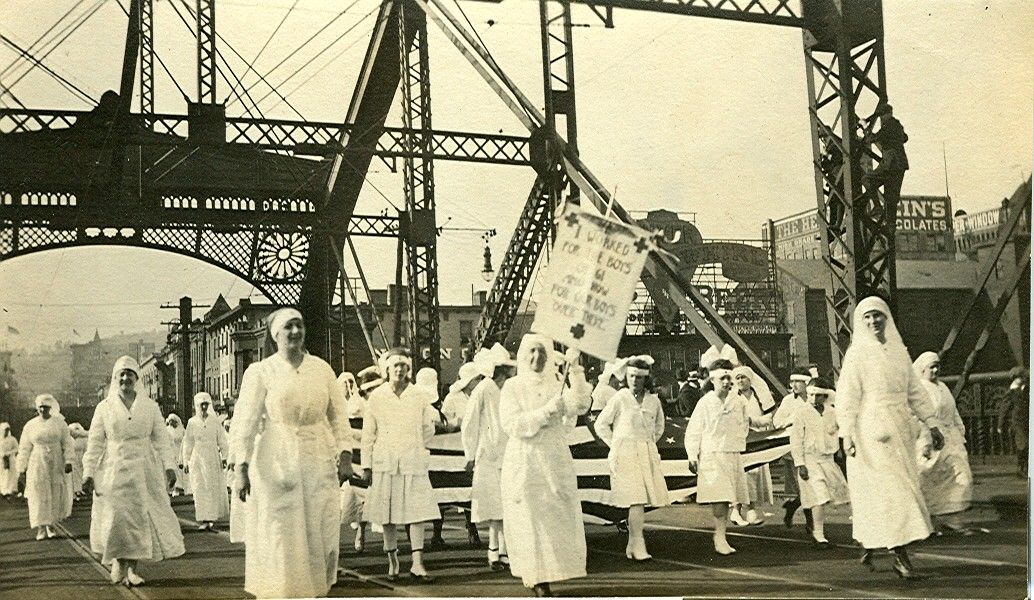
| Submitted by Jim Bullock with the following comment: The 3" x 5 1/4" picture was with the belongings of my maternal grandfather's maternal grandmother, Amanda (Garen) (Harsha) Slauson (1840-1937). Jim has identified his gr gr grandmother as the woman carrying the sign. |
| ********** |
| ********** |
| 1. The Red Cross Nurses Parade. 2. Pittsburgh, PA. 3. May 18, 1918. |
| ********** |
| Congratulations to Our Winners! Christina Gregg Daniel E. Jolley Mary Fraser Nelsen Spickard Margaret Paxton Carl Blessing Debbie Sterbinsky Barbara Mroz Jim Kiser Grace Hertz Janice Sellers Cate Bloomquist Diane Burkett Marilyn Hamill Carol Farrant Robert W. Steinmann Jr. Don Draper |
| Comments from Our Readers |
Name: Amanda Melvina GAREN Given Name: Amanda Melvina Surname: Garen Sex: F Change Date: 22 JUN 2010 Note: An activist. When a toddler, she was held in the arms of Henry Clay while he was speaking. At age 7, saw uncle, David Moore of St. Louis, come into house with wound received in Mexican war. On wedding day was on boat full of Union Soldiers when Morgan made historic raid. They destroyed all the wedding preparations at her family's home in Chester. She later got involved in helping in war effort. Marched with temperance group. Member Presbyterian Church and Womans Relief Corp. Was living with daughter, Bertha Rogers, at 412 E. 16th. Had lived in Hutchinson, KS (came in 1874) at 2nd & Walnut and later at Kansas City, MO. One late photo shows her at home of Ruth Harsha Snyder on W. Adams, LA, CA. Birth: 23 OCT 1840 in , , PA |
There probably aren't enough clues in the picture for a photo
quiz, but I have some newspaper clippings and genealogical
data that helped me identify the time, place, and occasion of
the event. The 3" x 5 1/4" picture was with the belongings
of my maternal grandfather's maternal grandmother, Amanda
(Garen) (Harsha) Slauson (1840-1937).
The newspaper articles began when Amanda was 87 years
old and continued every year or two until she died telling
about the events of her life. One of the facts mentioned was
that she had led a Red Cross parade in Pittsburgh during
WWI. She had been widowed twice and was living in
Pittsburgh with her daughter at that time.
Searching Pittsburgh Red Cross, I found a book at Google
"The Pittsburgh Chapter, American Red Cross" published in
1922. The book described a parade that took place 18 May
1918 with 40,000 Red Cross members. It gave the route as
beginning at the corners of Ohio St. and Federal St. and
going by the reviewing stand at 5th Ave. and Ross St., a
distance of about 1.25 miles. It said it started at 3:30 and
took 2 hours 45 minutes for them to pass by the reviewing
stand.
A further description quoted by a Pittsburgh newspaper
stated "Probably the greatest demonstration given any single
individual was the ovation accorded a bent and crippled
woman, with white hair, who carried a banner on which was
inscribed in letters of gold: 'I worked for the boys of '61 and
I am glad that I can work for the boys of 1918.'"
quiz, but I have some newspaper clippings and genealogical
data that helped me identify the time, place, and occasion of
the event. The 3" x 5 1/4" picture was with the belongings
of my maternal grandfather's maternal grandmother, Amanda
(Garen) (Harsha) Slauson (1840-1937).
The newspaper articles began when Amanda was 87 years
old and continued every year or two until she died telling
about the events of her life. One of the facts mentioned was
that she had led a Red Cross parade in Pittsburgh during
WWI. She had been widowed twice and was living in
Pittsburgh with her daughter at that time.
Searching Pittsburgh Red Cross, I found a book at Google
"The Pittsburgh Chapter, American Red Cross" published in
1922. The book described a parade that took place 18 May
1918 with 40,000 Red Cross members. It gave the route as
beginning at the corners of Ohio St. and Federal St. and
going by the reviewing stand at 5th Ave. and Ross St., a
distance of about 1.25 miles. It said it started at 3:30 and
took 2 hours 45 minutes for them to pass by the reviewing
stand.
A further description quoted by a Pittsburgh newspaper
stated "Probably the greatest demonstration given any single
individual was the ovation accorded a bent and crippled
woman, with white hair, who carried a banner on which was
inscribed in letters of gold: 'I worked for the boys of '61 and
I am glad that I can work for the boys of 1918.'"
| Note from Jim Bullock |
| ********** |
| The (Third) Sixth Street Bridge en.wikipedia.org/wiki/Coraopolis_Bridge |
The original Pratt/Bowstring/Pennsylvania
through truss spans, designed by Theodore
Cooper, were formerly the (third) Sixth
Street Bridge, spanning the Allegheny
River, in downtown Pittsburgh, and were
built in 1892 by the Union Bridge
Company. They were floated downstream
by the Foundation Company in 1927 rather
than being demolished when the bridge was
removed to enable construction of the
present (fourth) Three Sisters (Pittsburgh)
Sixth Street Self-anchored suspension
bridge at that location.
through truss spans, designed by Theodore
Cooper, were formerly the (third) Sixth
Street Bridge, spanning the Allegheny
River, in downtown Pittsburgh, and were
built in 1892 by the Union Bridge
Company. They were floated downstream
by the Foundation Company in 1927 rather
than being demolished when the bridge was
removed to enable construction of the
present (fourth) Three Sisters (Pittsburgh)
Sixth Street Self-anchored suspension
bridge at that location.

| The Original Coraopolis Bridge, formerly the third Sixth Street Bridge |

acquiring the privately owned bridges within their
jurisdiction and eliminating their tolls. The Sixth
Street Bridge was purchased by Allegheny County
in 1911 along with nine other bridges at the
combined price of $2,851,000; all ten of these
bridges were subsequently declared free.
The trusses for the third Sixth Street Bridge were
fabricated by the Union Bridge Company. This
company had been formed in 1884 by the merging
of the Central Bridge Company of Buffalo, New
York, and Kellogg and Maurice of Athens,
Pennsylvania. The Buffalo plant was closed around
1890, so presumably the trusses were produced in
the shops which remained at Athens.
The superstructure was erected by the Baird
Brothers, John and William, who first advertised in
the Pittsburgh and Allegheny City Directory in
1886 as contractors located at Home and Valley
Streets. In the 1891 and 1892 editions of the
jurisdiction and eliminating their tolls. The Sixth
Street Bridge was purchased by Allegheny County
in 1911 along with nine other bridges at the
combined price of $2,851,000; all ten of these
bridges were subsequently declared free.
The trusses for the third Sixth Street Bridge were
fabricated by the Union Bridge Company. This
company had been formed in 1884 by the merging
of the Central Bridge Company of Buffalo, New
York, and Kellogg and Maurice of Athens,
Pennsylvania. The Buffalo plant was closed around
1890, so presumably the trusses were produced in
the shops which remained at Athens.
The superstructure was erected by the Baird
Brothers, John and William, who first advertised in
the Pittsburgh and Allegheny City Directory in
1886 as contractors located at Home and Valley
Streets. In the 1891 and 1892 editions of the
Coraopolis Bridge, from below
deck, showing deck girders,
eyebar tension members,
lattice girders of truss
superstructure
deck, showing deck girders,
eyebar tension members,
lattice girders of truss
superstructure
Directory they were listed as bridge builders; their listings no longer appeared by 1900,
and by 1911 William Baird had left the construction business and had begun managing a
hotel.
While the Pittsburgh City Council and the Municipal Affairs Committee of the Chamber
of Commerce argued for the retention and upgrading of the existing bridges, the issue
was ultimately decided by the Department of War, acting under the authority of Section
18 of the Rivers and Harbors Act of March 3, 1890 (30 Stat., 1121–1153). This act
empowered the Secretary of War to require the removal or alteration of any bridge
which " ... is an unreasonable obstruction to the free navigation . . . on account of
insufficient height, width of span, or otherwise". So, unfortunately, the War
Department decreed that the numerous bridges over the Allegheny with their differing
spacing of piers, main spans, and generally low clearances, were an impediment to
navigation, and decreed that all bridges would have to be replaced. Although the decree
was discussed in the early 1900s, and first issued in 1917, serious work did not begin
till 1924. As part of the Three Sisters (Pittsburgh) project, the bridges at Sixth,
Seventh, and Ninth Streets were to be demolished and replaced. The other two bridges
were destroyed and scrapped, but the Cooper Bowstring trusses were moved to
Coraopolis and reused.
and by 1911 William Baird had left the construction business and had begun managing a
hotel.
While the Pittsburgh City Council and the Municipal Affairs Committee of the Chamber
of Commerce argued for the retention and upgrading of the existing bridges, the issue
was ultimately decided by the Department of War, acting under the authority of Section
18 of the Rivers and Harbors Act of March 3, 1890 (30 Stat., 1121–1153). This act
empowered the Secretary of War to require the removal or alteration of any bridge
which " ... is an unreasonable obstruction to the free navigation . . . on account of
insufficient height, width of span, or otherwise". So, unfortunately, the War
Department decreed that the numerous bridges over the Allegheny with their differing
spacing of piers, main spans, and generally low clearances, were an impediment to
navigation, and decreed that all bridges would have to be replaced. Although the decree
was discussed in the early 1900s, and first issued in 1917, serious work did not begin
till 1924. As part of the Three Sisters (Pittsburgh) project, the bridges at Sixth,
Seventh, and Ninth Streets were to be demolished and replaced. The other two bridges
were destroyed and scrapped, but the Cooper Bowstring trusses were moved to
Coraopolis and reused.
| Searching Google for "boys of 61" and "red cross" gets this hit: http://tinyurl.com/4frvd73 (converted to a tiny URL) That is page 272 in the book "The Pittsburgh Chapter, American Red Cross". The full text is in Google Books. On p. 247 the date is given as Saturday May 18. Several pages before that the year of 1918 was given. On p. 269 is a description of the parade route that went from Ohio and Federal Streets to pass by the reviewing stand at 5th Ave. and Ross St. By looking at Pittsburgh in Google Maps I could see that the most direct route would have been what is today the Roberto Clemente Bridge also known as the 6th Street Bridge. Googling "6th street bridge" and "Pittsburgh" brought up an article in Wikipedia that said the bridge was moved and became known as the Coraopolis Bridge. http://en.wikipedia.org/wiki/Coraopolis_Bridge A hit on "Coraopolis Bridge" brought up this page with a picture that matched www.pghbridges.com/pittsburghW/0584-4477/sixth1892.htm Jim Bullock |

| I know Amanda lived in Kansas City at least until 1915 but that she was in Los Angeles/Long Beach by 1920, so I started with those 2 cities. Because this did not look to me what I imagined Long Beach would've looked like at the time, I focused more on Kansas City. From the sign Amanda is carrying and the style of the nurse's uniforms, I thought this parade must be during WWI, so around 1918. I couldn't find city directories for either city for that exact period but I checked later ones hoping to find a confectioner/ chocolatier with name ending "kin" (from the building in the background), no luck there. One of the buildings in the background also appears to say [U]nion and I was guessing maybe it was a "Union Bank" so I also checked the directories for that hoping to find a location that I could then tie to being near this bridge but nothing there either. |
| ********** |
| Here is a picture of Amanda that can be compared to the one in the quiz photo. The children are my mother and her older brother who were born in 1914 and 1912, so the picture was taken just a few years before the parade picture. Incidentally, she was still alive when I was born, though only for about five months. |
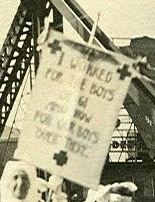
The banner actually says "I worked for the boys of 61 and now for our boys over
there." Also Amanda was hardly bent and crippled. Ten years later at age 87 she was
still walking three miles a day. She had indeed worked making bandages and cornmeal
pancake poultices for the wounded soldiers of the Civil War. During WWI she was
knitting sweaters for the soldiers.
The challenging part for me was identifying the bridge in the picture. I knew the
probable route the parade took from the description in the Red Cross book, but looking
at pictures in Google's Street View, none of the bridges in that area were a match. I
read about the "Three Sisters bridges" that cross the Alleghany river, but they are all
newer bridges.
I finally wrote to Bruce S. Cridlebaugh who has a Web site, pghbridges.com, about
Pittsburgh bridges past and present. He was able to identify it as the former 6th St.
bridge which had been moved to connect Neville Island with Coraopolis. It has since
been demolished and replaced with a modern bridge. There is a Wikipedia article about
it at http://en.wikipedia.org/wiki/Coraopolis_Bridge.
Anyway, thanks for getting me going on this project. It was great fun.
there." Also Amanda was hardly bent and crippled. Ten years later at age 87 she was
still walking three miles a day. She had indeed worked making bandages and cornmeal
pancake poultices for the wounded soldiers of the Civil War. During WWI she was
knitting sweaters for the soldiers.
The challenging part for me was identifying the bridge in the picture. I knew the
probable route the parade took from the description in the Red Cross book, but looking
at pictures in Google's Street View, none of the bridges in that area were a match. I
read about the "Three Sisters bridges" that cross the Alleghany river, but they are all
newer bridges.
I finally wrote to Bruce S. Cridlebaugh who has a Web site, pghbridges.com, about
Pittsburgh bridges past and present. He was able to identify it as the former 6th St.
bridge which had been moved to connect Neville Island with Coraopolis. It has since
been demolished and replaced with a modern bridge. There is a Wikipedia article about
it at http://en.wikipedia.org/wiki/Coraopolis_Bridge.
Anyway, thanks for getting me going on this project. It was great fun.
| ********** |
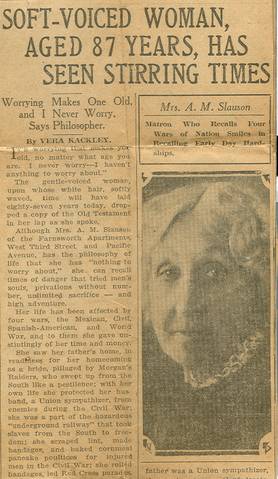
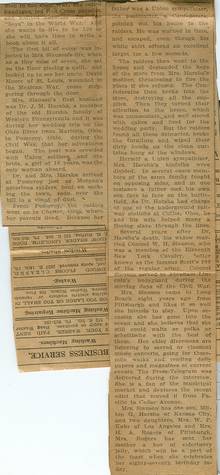
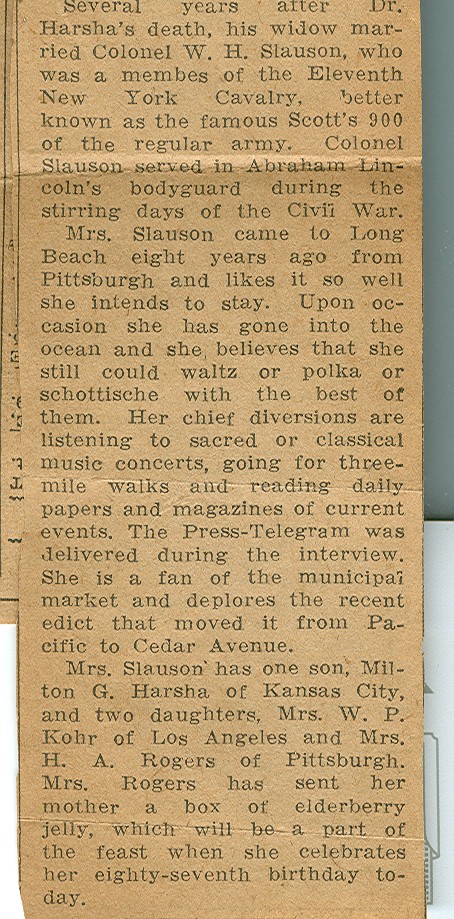
Attached is a news article on Amanda at age 87 in two parts. It mentions that she led a
Red Cross parade. It also mentioned that she enjoyed three mile walks which supports
the fact that 10 years earlier she could have led a parade that was only about 1.5 miles.
Something else that...the article [mentions is] that...Amanda "scraped lint, made
bandages, and baked cornmeal for injured men in the Civil War; she rolled bandages, led
Red Cross parades, and knitted sweaters for the 'boys' in the World War." This backs
up what was on her banner that said "I worked for the boys of 61 and now for our
boys over there."
Jim Bullock
Red Cross parade. It also mentioned that she enjoyed three mile walks which supports
the fact that 10 years earlier she could have led a parade that was only about 1.5 miles.
Something else that...the article [mentions is] that...Amanda "scraped lint, made
bandages, and baked cornmeal for injured men in the Civil War; she rolled bandages, led
Red Cross parades, and knitted sweaters for the 'boys' in the World War." This backs
up what was on her banner that said "I worked for the boys of 61 and now for our
boys over there."
Jim Bullock
| Click on thumbnails to read story. |
To solve the parade puzzle, I first searched the phrase on the placard the woman was
carrying "I worked for the boys in '61 and now for our boys over there". That was the
most singular characteristic of the photo. The search took me to an online book "The
Pittsburgh Chapter, American Red Cross" which had a chapter devoted to the Second
War Fund and described the parade. I don't recall whether I found the actual photo
online. The women's dress certainly fit the period and the occasion.
Margaret Paxton
*****
I originally thought it was a Red Cross nurses parade, however after much searching I
thought maybe a Mother's Parade. I could not read the sign completely but it might
have been a reference to 1861 such as I helped the boys in 61, now it is time to help
them over there. That led me to believe that the parade is related to WWI because "over
there" was an often used term during that war. However I did not discount the
possibility of it being the Spanish American War. Jim Baker
N. B. Jim, stick with your first instincts. - Q. Gen.
*****
I’ve expended a lot of hours researching Jim Bullock’s photo with the result that I am
only sure of one thing. The photo was taken on the Sixth Street bridge in Pittsburgh,
Pennsylvania. I have found nothing definitive that would allow me to be 100 percent
sure of the other two answers, but I have found some evidence that there was a Liberty
Loan Parade on April 20th, 1918 which included ladies from the Pittsburgh area
auxiliaries and branches. I believe that this may be a photo of the event although, as I’
ve said, I can’t be a 100 percent sure since I’ve not found any other pictures of the
parade. Anyway, right or wrong, another good quiz. Daniel Jolley
*****
All together there are a total of 446 bridges are in the city of Pittsburgh, officially the
city with the most bridges in the world, 3 more than the former world bridge number
leader, Venice, Italy. I have no idea which bridge this is (I tryed, I really did:
www.pghbridges.com/), and I have no idea how to find out which bridge this is!
carrying "I worked for the boys in '61 and now for our boys over there". That was the
most singular characteristic of the photo. The search took me to an online book "The
Pittsburgh Chapter, American Red Cross" which had a chapter devoted to the Second
War Fund and described the parade. I don't recall whether I found the actual photo
online. The women's dress certainly fit the period and the occasion.
Margaret Paxton
*****
I originally thought it was a Red Cross nurses parade, however after much searching I
thought maybe a Mother's Parade. I could not read the sign completely but it might
have been a reference to 1861 such as I helped the boys in 61, now it is time to help
them over there. That led me to believe that the parade is related to WWI because "over
there" was an often used term during that war. However I did not discount the
possibility of it being the Spanish American War. Jim Baker
N. B. Jim, stick with your first instincts. - Q. Gen.
*****
I’ve expended a lot of hours researching Jim Bullock’s photo with the result that I am
only sure of one thing. The photo was taken on the Sixth Street bridge in Pittsburgh,
Pennsylvania. I have found nothing definitive that would allow me to be 100 percent
sure of the other two answers, but I have found some evidence that there was a Liberty
Loan Parade on April 20th, 1918 which included ladies from the Pittsburgh area
auxiliaries and branches. I believe that this may be a photo of the event although, as I’
ve said, I can’t be a 100 percent sure since I’ve not found any other pictures of the
parade. Anyway, right or wrong, another good quiz. Daniel Jolley
*****
All together there are a total of 446 bridges are in the city of Pittsburgh, officially the
city with the most bridges in the world, 3 more than the former world bridge number
leader, Venice, Italy. I have no idea which bridge this is (I tryed, I really did:
www.pghbridges.com/), and I have no idea how to find out which bridge this is!
| ********** |
| How Barbara Solved the Puzzle |
The 1892 Sixth Street Bridge (a pair of Pratt trusses and the third bridge built
in this location) was floated to a new location over the Ohio River back
channel between Coraopolis and Neville Island in 1927 to make way for the
current structure. That structure was replaced by a deck girder bridge which
was completed in 1995.
Bridge and Tunnels of Allegheny County and Pittsburgh, PA
pghbridges.com/pittsburghW/0584-4477/sixth_st_br.htm
in this location) was floated to a new location over the Ohio River back
channel between Coraopolis and Neville Island in 1927 to make way for the
current structure. That structure was replaced by a deck girder bridge which
was completed in 1995.
Bridge and Tunnels of Allegheny County and Pittsburgh, PA
pghbridges.com/pittsburghW/0584-4477/sixth_st_br.htm
The ironwork is very similar to the
ironwork featured in the bridge entrance
shown in the puzzle photo. But it isn’t
identical.
(See photo on right). Coraopolis Bridge,
Spanning Ohio River back channel at
Ferree Street & Grand Avenue,
Coraopolis, Allegheny, PA Library of
Congress, American memory Collection,
Historic American Engineering Record
(HAER) Call Number PA,2-CORA,1
ironwork featured in the bridge entrance
shown in the puzzle photo. But it isn’t
identical.
(See photo on right). Coraopolis Bridge,
Spanning Ohio River back channel at
Ferree Street & Grand Avenue,
Coraopolis, Allegheny, PA Library of
Congress, American memory Collection,
Historic American Engineering Record
(HAER) Call Number PA,2-CORA,1
IMAGE OF ACTUAL BRIDGE CONFIRMS LOCATION
I searched further for a historic photograph showing the bridge entrance but changed
my strategy to looking for photographs of the street on which the bridge was located –
Federal Street. I changed my search term from “Sixth Street Bridge Pittsburgh 1915” to
“ Federal Street Pittsburgh 1915”.
Voila! I was rewarded with a 1915 postcard showing the view of the Federal Street
Bridge looking west, clearly showing the bridge entrance featuring decorate ironwork
identical to the puzzle photo!
freepages.genealogy.rootsweb.ancestry.com/~njm1/04ppc7.html

| ********** |


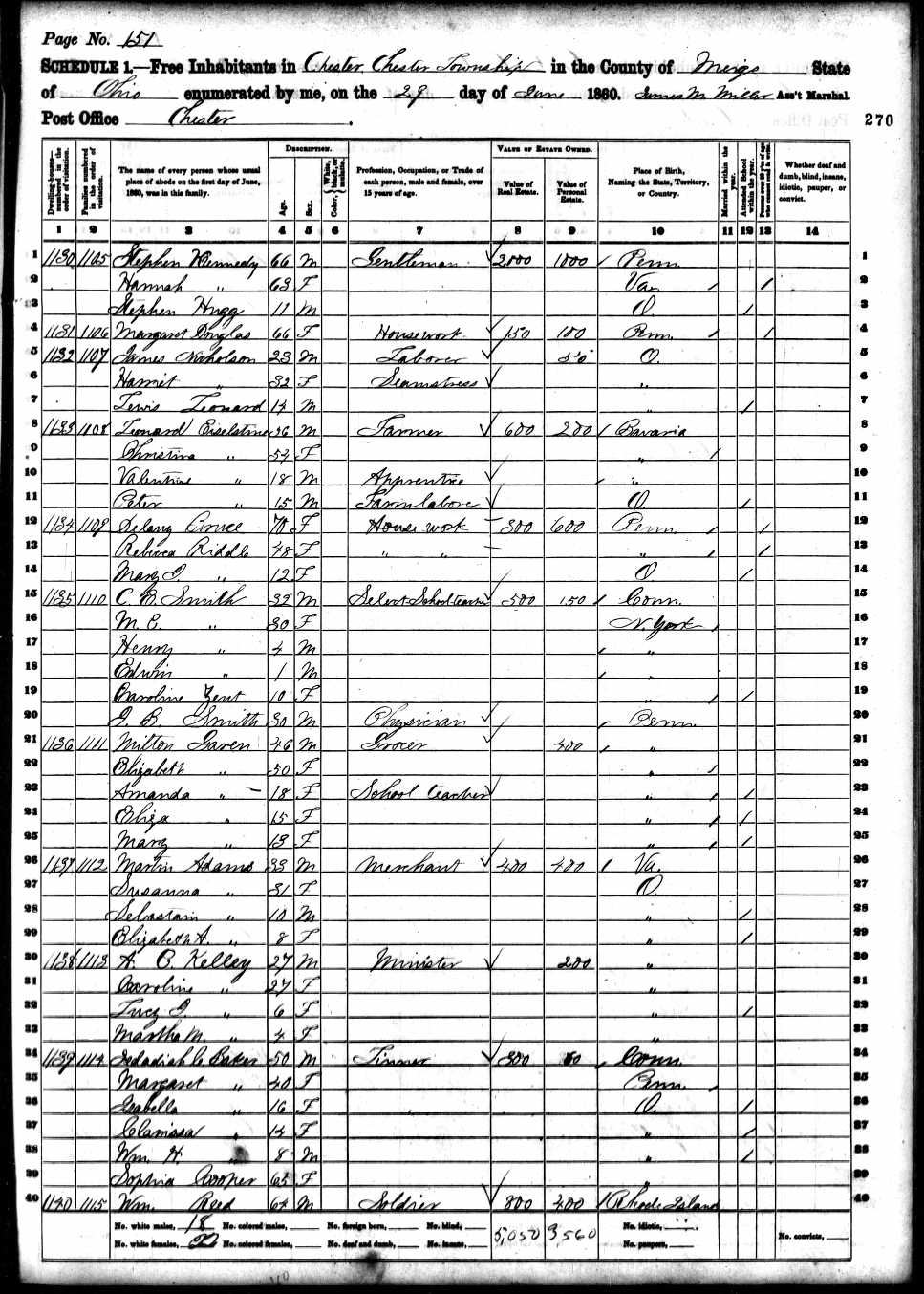

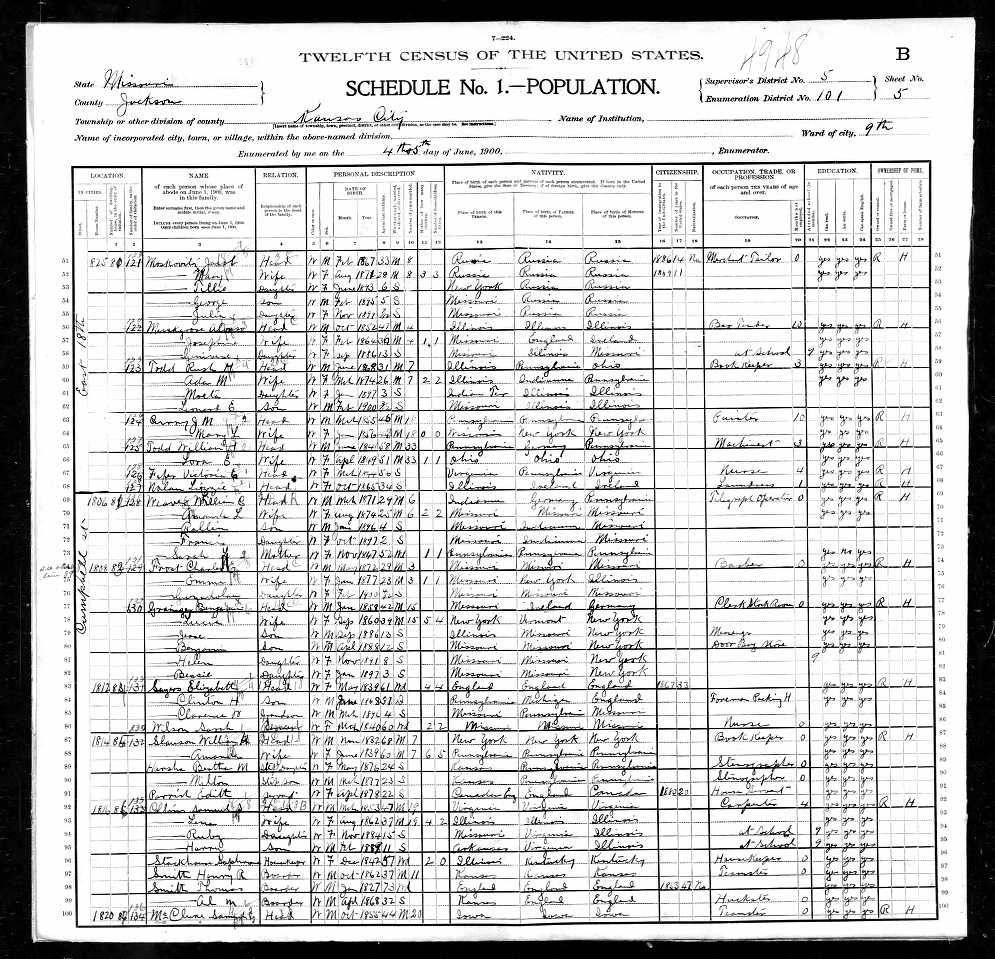
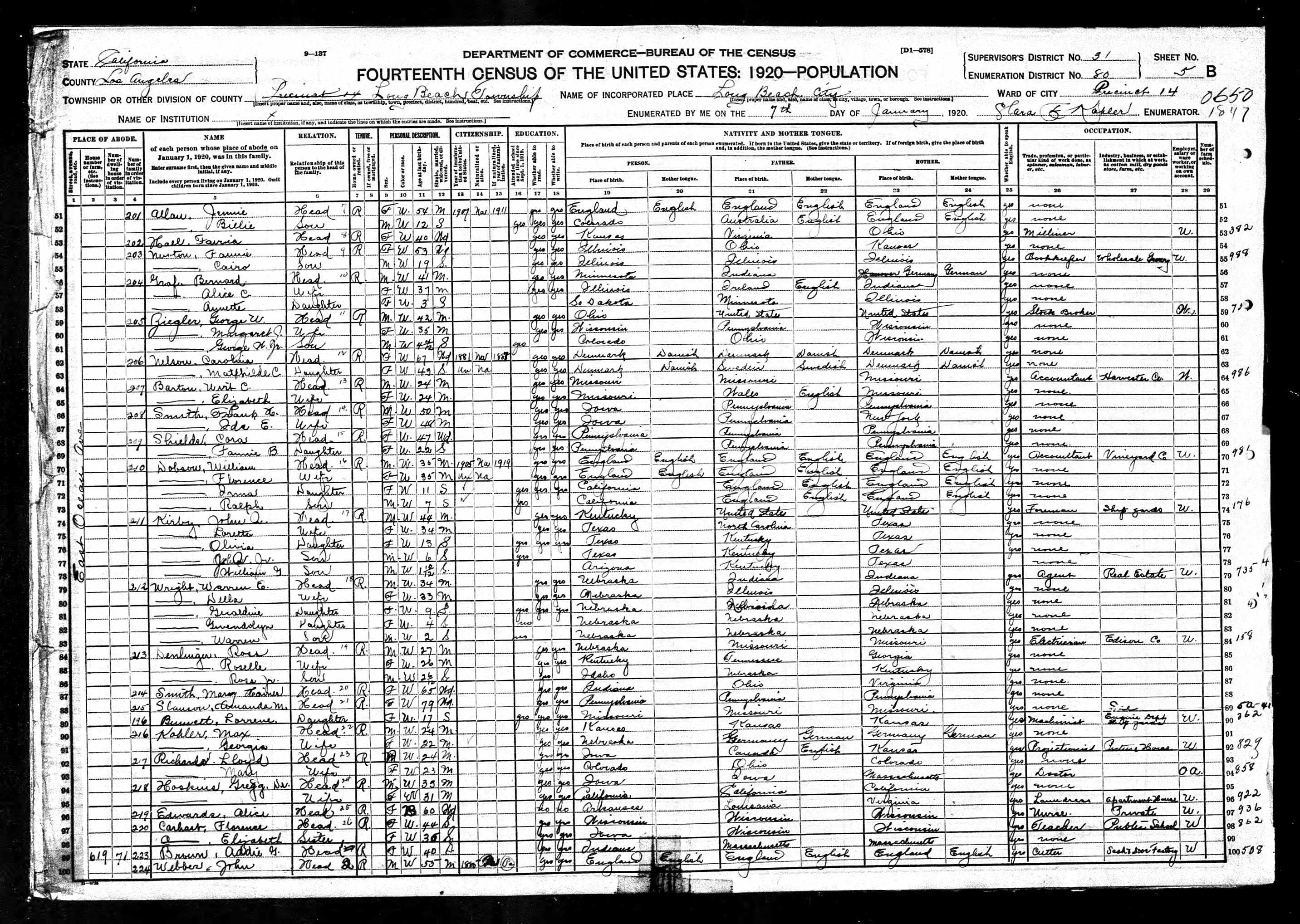
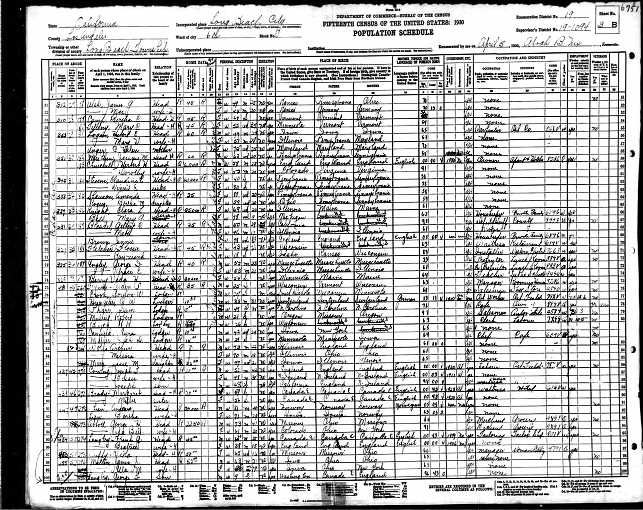
| Note: Age in 1850 Census was 9. 1900 Census gives date of birth as June 1839. Residence: Second and Walnut 1874 Hutchinson, Reno, KS Census: 5 JUN 1900 Kansas City, Jackson, MO Note: Amanda, wife of William Slauson, born June 1839, age 60, married 7 years, mother of 6 children 5 of whom were living, born in PA, father born in PA, mother born in PA, could read, write, and speak English. Residence: 1916 Kansas City, Jackson, MO Residence: BEF 1919 Pittsburgh, Allegheny, PA Note: Was living with her daughter Bertha (Harsha) Rogers. Residence: Torrey Pines Apt., Room 5, 615 E. Ocean Ave. BET 1919 AND 1937 Long Beach, Los Angeles, CA Note: Address from postcard to Amanda. Death: AUG 1937 in Long Beach, Los Angeles, CA Burial: AUG 1937 Hutchinson, Reno, KS Note: Eastside Cemetery, Harsha plot. Service at chapel of Patterson & McQuilkin or Johnson and Sons Funeral parlors? Father: Milton GAREN b: ABT 1813 in , , PA Mother: Elizabeth BUNTING b: 1810 in , , PA Marriage 1 John McClain HARSHA b: 16 JUN 1819 in , Beaver, PA Married: BEF 1860 in Marietta, Washington, OH Census: 8 JUN 1880 in Lincoln Twp., Reno, KS Note: Harsha, John M., W, M, 61, [head], mar., farmer, PA, PA, PA Amanda M., W, F, 39, wife, mar., keeping house, PA, PA, PA Elizabeth, W, F, 15, dau., sing., at home, OH, PA, PA Edward E., W, M, 16 (sic), son, sing., laborer, OH, PA, PA Bertha M., W, F, 9, dau., sing., OH, PA, PA Lelah, W, F, 5, dau., sing., IL, PA, PA Milton G., W, M, 3, son, sing., KS, PA, PA Children Flora HARSHA b: SEP 1860 in , , OH Mary Elizabeth HARSHA b: 1864 Edward Francis HARSHA b: 19 JUN 1866 Bertha May HARSHA b: 10 MAY 1871 in , , OH Lelah HARSHA b: 14 JUL 1873 in , , IL Milton Garen HARSHA b: 16 MAR 1878 in , , KS Virginia Pearl HARSHA b: 1883 Marriage 2 William H. SLAUSON b: NOV 1832 in , , NY Married: 18 SEP 1893 in Hutchinson, Reno, KS Note: "SLAUSON, William H. 55, Kansas City, Mo; HARSHA, Amanda M. 51, Hutchinson, Ks.; 18 Sep 1893, Hutchinson, Ks.; by A.F. Irwin" ["Early Marriages of Reno County", p. 228, record # 4-333. Sent by Helen S. Howard, nch21hsh@westol.com, 15 Jun 1998] Census: 3 MAY 1910 in Kansas City, Jackson, MO Note: Slauson, William H., head, M, W, 78, M2, 17, NY, NY, CT, none Amanda M., wife, F, W, 69, M2, PA, PA, PA, none Harsha, Milton G., step son, M, W, 23, S, KS, KS, PA, cashier, brewery |
| 1850 Census |
| 1860 Census |
| 1900 Census |

| 1910 Census |
| 1910 Census |
| 1920 Census |
| Amanda's daughter, Bertha's birth record |

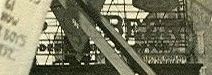
My first useful step came from analyzing signs to get clues to
the location. Using Photoshop Elements I increased the
contrast in the dark sign behind the parade on the middle
right. I could discern the letters “WHIRL” and searching on
those I found that a Pittsburgh lifestyle magazine was called
the location. Using Photoshop Elements I increased the
contrast in the dark sign behind the parade on the middle
right. I could discern the letters “WHIRL” and searching on
those I found that a Pittsburgh lifestyle magazine was called
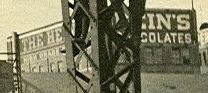
| Another one of the buildings in the background says " The HE"______ and then there is the big billboard that says ______ Beer, which I thought gave me |
| a better hook on Kansas City since there was a Heim brewery in Kansas City at the time. But, I could never tie the location of the brewery to this picture. I think the main problem is that I haven't been able to identify the bridge. From the side metal struts, I thought it looked like a vertical lift bridge and there was a vertical lift bridge in Kansas City at this time (Swift Armour bridge) that also had a pedestrian deck. However, from historical images of the bridge, the area near the base of the bridge was not as built up as this photo shows. There were a few other details I looked into (e.g., the "Whirl" sign in the background perhaps being related to "Sellner Tilt-a-Whirl" and checking bridge images trying to find a match) but I just couldn't get anywhere. Anyway, all of this got me NOWHERE so I'm so anxious to find out the details and hopefully learn what I overlooked :) Cate Bloomquist |
With regard to the Hein's Chocolates factory, I found a
John C. Hein-Candymaker Living at 91 High Avenue,
Pittsburgh, PA in a 1908 Directory. He also shows up in
the 1920 US Federal Census as a Candy Manufacturer,
John C. Hein-Candymaker Living at 91 High Avenue,
Pittsburgh, PA in a 1908 Directory. He also shows up in
the 1920 US Federal Census as a Candy Manufacturer,
living at 1105 Linden Street? with his wife and son, Norman, who is a candy salesman
in the 23rd Ward, SD #24, ED #691, Sheet # 9A [Series: T625 Roll: 1526 Page: 61]. I
could not find anything on the ?????-A-Whirl Beer Sign, but I am betting heavily that
this is Pittsburgh, PA.
Robert W. Steinmann Jr.
*****
The reporter’s quote I found wasn’t exact, but I thought it was close enough, to be
artistic license. He probably didn’t have access to the photograph.. Mary Fraser
*****
The top of the sign says “I worked for the boys in ??61.” Assuming that’s 1861, that’s
when Clara Barton and others helped Civil War soldiers and started what would later
become the Red Cross That connection is supported by the crosses on the sign..
The bottom of the sign looks like it says “Over There” in quotes. That song was
written in 1917 by George M. Cohan. Although the song was popular in both World
Wars, the style of dress in the pictures makes it more likely that the photo was taken
during World War I. Plus, we know Mrs. Slauson died before the onset of World War
II.
If I am correct, then Mrs. Slauson was about 77 years old in this photo. While she
appears to be a senior citizen, I’d have to say she was in pretty good shape to be
marching/parading AND carrying a sign at that age.
In the 1900 and 1910 Census she is shown as living in Kansas City, Missouri with her
husband William.. By 1920 she had become a widow and moved to Long Beach ,
California . In 1900 her son and daughter, Milton and Bertha Harsha, were living with
her. By 1910, Bertha had moved out. On none of these census records is an
occupation shown for Mrs. Slauson. Does that mean that helping the boys “Over
There” was a volunteer service she was performing.
Oh, in the 1900 Census, her actual birthday is shown as June 1839. Most Census
records available now just show the age of the person. It would be easy to conclude
that she was born in 1840…but the 1900 Census is pretty specific.
She was born in Pennsylvania . Actually, that was my first guess on the location. A
building in the background has “The He….” and “…colates” on it. [thinking of Hershey
, Pennsylvania ]But there was also “….in’s” above the word I presume to be
chocolates That was confusing. This is where I gave up.
Wild guess: Presidential parade in Kansas City in 1917. Am I even close?
Carol Farrant
*****
The extra quiz photo is of the Second Red Cross War Fund parade held in Pittsburgh,
Pennsylvania, on May 18, 1918. The parade was for "The Greatest Mother in the
World". What is odd to me is that in the newspaper story describing the parade, the
lady holding the sign "I worked for the boys in '61 and I am glad that I can work for
the boys of 1918" is said to be "bent and crippled". The woman in the photo is neither
bent nor crippled. Margaret Paxton
*****
I found lots of Red Cross Parades during this era; including those who were considered
"Liberty Loan" Parades all on the same day in 1917. In addition there was a lot of
information about the Spanish Influenza of 1918 and parades that helped spread this
disease.
My father lost a sister the last of 1918 to the Spanish Flu. I narrowed it down by
researching Amanda and realised she was a bit order during the parade and was living
with a daughter in Long Beach Calif and therefore unlikely going to the east coast to
Parade. In addition she was a bit of a rebel as a young women, (according to Jim) and I
suspect most folks don't change much. Jim Kiser
[Second try] I should have known it was a NE industrial city due tothe heavy bridge. I
finially picked up in the data that Bef 1919 she lived in Alleghney Co., Pittsburgh.
I was born in Pittsburgh and originally tryed to search for some sort of "Whirl" Beer or
Rootbeer but got nowhere. My dad was 6 years old living in Pittsburgh and could easily
have seen the parade.Thanks, It was tough but I made it tougher. Jim Kiser
*****
Like, what else WAS there to research to get to the answer? “Women in white”,
bridges, marching, signs? Everything else would tend to give you about 10,000
different hits and you’d have to get through all that to see if any of them matched what
you were looking at (if any of them would even get close). I’m kind of surprised that
people had trouble with that…especially as I seem to be the one that has trouble with
overlooking the obvious sometimes. Carl Blessing
*****
I Googled the phrase on the old lady's sign 'cause i figured it would merit a comment
somewhere in print. Christine Gregg
*****
Took a look at this photo and here is my guesstimate:
Amanda was born in Pennsylvania and at first I wondered if the reference to chocolate
and beginning word "He" had to do with Hershey Park. As the wife of Mr. Slauson she
lived in or near Kansas City Mo. so I am more inclined to believe this is the general area
for the photo. Specifically I think the photo may have been taken at the entrance to
Electric Park in Kansas City.(note the trolley tracks). The group represents the
American Red Cross, possibly during a Flag Day parade. (Flag Days began in 1916, I
think). The date may have been June 14, 1917 - the year the USA joined World War 1.
The park was located next to the Heim Brewery. (also funded by this co.)
Don Draper
*****
I found if funny that the newspaper described her as "bent and crippled" - she looks
pretty hearty to me! Cate Bloomquist
*****
First read signs in photo. Deduced Amanda nursed Civil War soldiers and indicated
willingness to nurse WWI soldiers, putting photo in context of WWI. Clothing
substantiated this. Signs on buildings missing too many letters to be of help.
Then did a lot of work on Amanda Melvina Garen. Found Jim's Rootsweb tree. Found
trees in Ancestry. Ascertained Amanda in Kansas City, MO during WWI. Made wild
guess she was marching in her own town.
If this is Kansas City, that may be the Hannibal & St Joe Railroad Bridge which was
replaced in 1917. Parade may be 19 May 1917 - Red Cross Sunday. I have lots of
links and extracts. Marilyn Hamill
in the 23rd Ward, SD #24, ED #691, Sheet # 9A [Series: T625 Roll: 1526 Page: 61]. I
could not find anything on the ?????-A-Whirl Beer Sign, but I am betting heavily that
this is Pittsburgh, PA.
Robert W. Steinmann Jr.
*****
The reporter’s quote I found wasn’t exact, but I thought it was close enough, to be
artistic license. He probably didn’t have access to the photograph.. Mary Fraser
*****
The top of the sign says “I worked for the boys in ??61.” Assuming that’s 1861, that’s
when Clara Barton and others helped Civil War soldiers and started what would later
become the Red Cross That connection is supported by the crosses on the sign..
The bottom of the sign looks like it says “Over There” in quotes. That song was
written in 1917 by George M. Cohan. Although the song was popular in both World
Wars, the style of dress in the pictures makes it more likely that the photo was taken
during World War I. Plus, we know Mrs. Slauson died before the onset of World War
II.
If I am correct, then Mrs. Slauson was about 77 years old in this photo. While she
appears to be a senior citizen, I’d have to say she was in pretty good shape to be
marching/parading AND carrying a sign at that age.
In the 1900 and 1910 Census she is shown as living in Kansas City, Missouri with her
husband William.. By 1920 she had become a widow and moved to Long Beach ,
California . In 1900 her son and daughter, Milton and Bertha Harsha, were living with
her. By 1910, Bertha had moved out. On none of these census records is an
occupation shown for Mrs. Slauson. Does that mean that helping the boys “Over
There” was a volunteer service she was performing.
Oh, in the 1900 Census, her actual birthday is shown as June 1839. Most Census
records available now just show the age of the person. It would be easy to conclude
that she was born in 1840…but the 1900 Census is pretty specific.
She was born in Pennsylvania . Actually, that was my first guess on the location. A
building in the background has “The He….” and “…colates” on it. [thinking of Hershey
, Pennsylvania ]But there was also “….in’s” above the word I presume to be
chocolates That was confusing. This is where I gave up.
Wild guess: Presidential parade in Kansas City in 1917. Am I even close?
Carol Farrant
*****
The extra quiz photo is of the Second Red Cross War Fund parade held in Pittsburgh,
Pennsylvania, on May 18, 1918. The parade was for "The Greatest Mother in the
World". What is odd to me is that in the newspaper story describing the parade, the
lady holding the sign "I worked for the boys in '61 and I am glad that I can work for
the boys of 1918" is said to be "bent and crippled". The woman in the photo is neither
bent nor crippled. Margaret Paxton
*****
I found lots of Red Cross Parades during this era; including those who were considered
"Liberty Loan" Parades all on the same day in 1917. In addition there was a lot of
information about the Spanish Influenza of 1918 and parades that helped spread this
disease.
My father lost a sister the last of 1918 to the Spanish Flu. I narrowed it down by
researching Amanda and realised she was a bit order during the parade and was living
with a daughter in Long Beach Calif and therefore unlikely going to the east coast to
Parade. In addition she was a bit of a rebel as a young women, (according to Jim) and I
suspect most folks don't change much. Jim Kiser
[Second try] I should have known it was a NE industrial city due tothe heavy bridge. I
finially picked up in the data that Bef 1919 she lived in Alleghney Co., Pittsburgh.
I was born in Pittsburgh and originally tryed to search for some sort of "Whirl" Beer or
Rootbeer but got nowhere. My dad was 6 years old living in Pittsburgh and could easily
have seen the parade.Thanks, It was tough but I made it tougher. Jim Kiser
*****
Like, what else WAS there to research to get to the answer? “Women in white”,
bridges, marching, signs? Everything else would tend to give you about 10,000
different hits and you’d have to get through all that to see if any of them matched what
you were looking at (if any of them would even get close). I’m kind of surprised that
people had trouble with that…especially as I seem to be the one that has trouble with
overlooking the obvious sometimes. Carl Blessing
*****
I Googled the phrase on the old lady's sign 'cause i figured it would merit a comment
somewhere in print. Christine Gregg
*****
Took a look at this photo and here is my guesstimate:
Amanda was born in Pennsylvania and at first I wondered if the reference to chocolate
and beginning word "He" had to do with Hershey Park. As the wife of Mr. Slauson she
lived in or near Kansas City Mo. so I am more inclined to believe this is the general area
for the photo. Specifically I think the photo may have been taken at the entrance to
Electric Park in Kansas City.(note the trolley tracks). The group represents the
American Red Cross, possibly during a Flag Day parade. (Flag Days began in 1916, I
think). The date may have been June 14, 1917 - the year the USA joined World War 1.
The park was located next to the Heim Brewery. (also funded by this co.)
Don Draper
*****
I found if funny that the newspaper described her as "bent and crippled" - she looks
pretty hearty to me! Cate Bloomquist
*****
First read signs in photo. Deduced Amanda nursed Civil War soldiers and indicated
willingness to nurse WWI soldiers, putting photo in context of WWI. Clothing
substantiated this. Signs on buildings missing too many letters to be of help.
Then did a lot of work on Amanda Melvina Garen. Found Jim's Rootsweb tree. Found
trees in Ancestry. Ascertained Amanda in Kansas City, MO during WWI. Made wild
guess she was marching in her own town.
If this is Kansas City, that may be the Hannibal & St Joe Railroad Bridge which was
replaced in 1917. Parade may be 19 May 1917 - Red Cross Sunday. I have lots of
links and extracts. Marilyn Hamill
