Leon Czolgosz was born in Detroit,
Michigan, in May 1873, the son of Polish
immigrants. He was an unemployed
factory worker and was living with his
family in 1901. Czolgosz became
interested in anarchism in the years
preceding the McKinley murder. In May
1901 he attended a speech given by
anarchist leader Emma Goldman, in
Cleveland, Ohio. Czolgosz traveled to
Goldman's home in Chicago on July 12
and spoke briefly to Goldman before she
left to catch a train. Goldman
Michigan, in May 1873, the son of Polish
immigrants. He was an unemployed
factory worker and was living with his
family in 1901. Czolgosz became
interested in anarchism in the years
preceding the McKinley murder. In May
1901 he attended a speech given by
anarchist leader Emma Goldman, in
Cleveland, Ohio. Czolgosz traveled to
Goldman's home in Chicago on July 12
and spoke briefly to Goldman before she
left to catch a train. Goldman
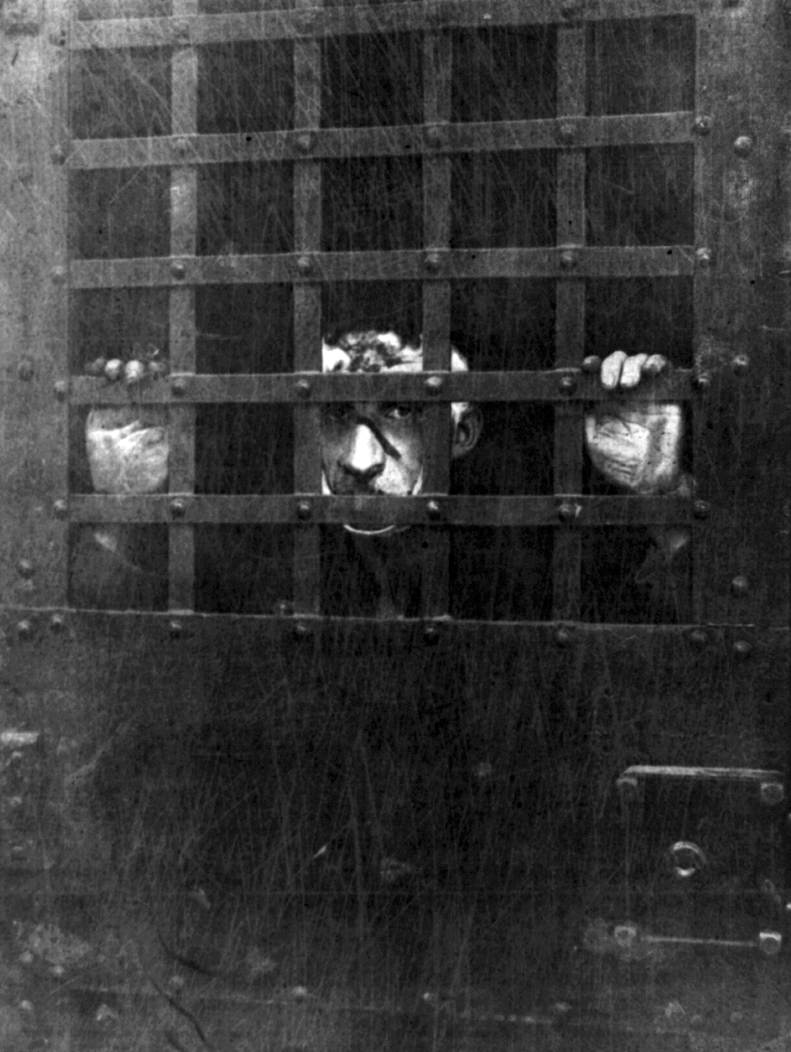
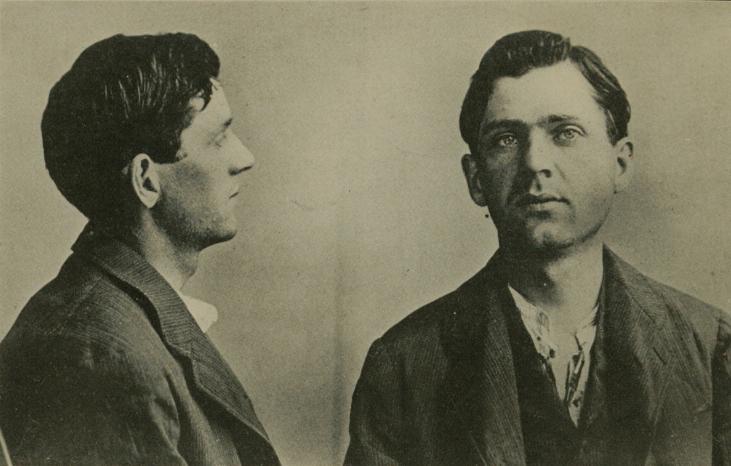
Leon Czolgosz mugshot, the day after the
shooting.en.wikipedia.org/wiki/William_McKinley_assassination
shooting.en.wikipedia.org/wiki/William_McKinley_assassination
rigorous stimulation...unless it can be relieved the end is only a question of time."
Senator Hanna, grief stricken, said "Mr. President, can't you hear me? William! Don't
you know me?" President McKinley, brought down by infection and gangrene, died at
2:15 a.m. on September 14, 1901. That afternoon, Vice President Theodore Roosevelt
was sworn in as President of the United States. Six weeks away from his 43rd
birthday, he was and still is the youngest man ever to hold the office of President.
After being pummeled right after the shooting, Leon Czolgosz had been arrested and
taken to police headquarters before nearly being lynched by the angry crowds that
surrounded the Temple of Music. Czolgosz readily admitted that he was the one who
had shot the President. In his written confession, Czolgosz stated, "I killed President
McKinley because I done my duty. I didn't believe one man should have so much
service and another man should have none."
Czolgosz was brought to trial on September 23, 1901. He was quickly found guilty and
sentenced to death. On October 29, 1901, Leon Czolgosz was electrocuted.
After McKinley's murder, Congress took up the question of Presidential security. In the
fall of 1901 they informally asked the Secret Service to control presidential security,
and the Service was protecting President Theodore Roosevelt full-time by 1902.
However, this was not yet official. Some in Congress recommended the United States
Army be charged with protecting the President. Not until 1906 did the Congress pass
legislation officially designating the Secret Service as the agency in charge of
presidential security.
The Temple of Music was demolished in late 1901 and the grounds of the Pan
American Exposition were cleared for residential development. A boulder with a metal
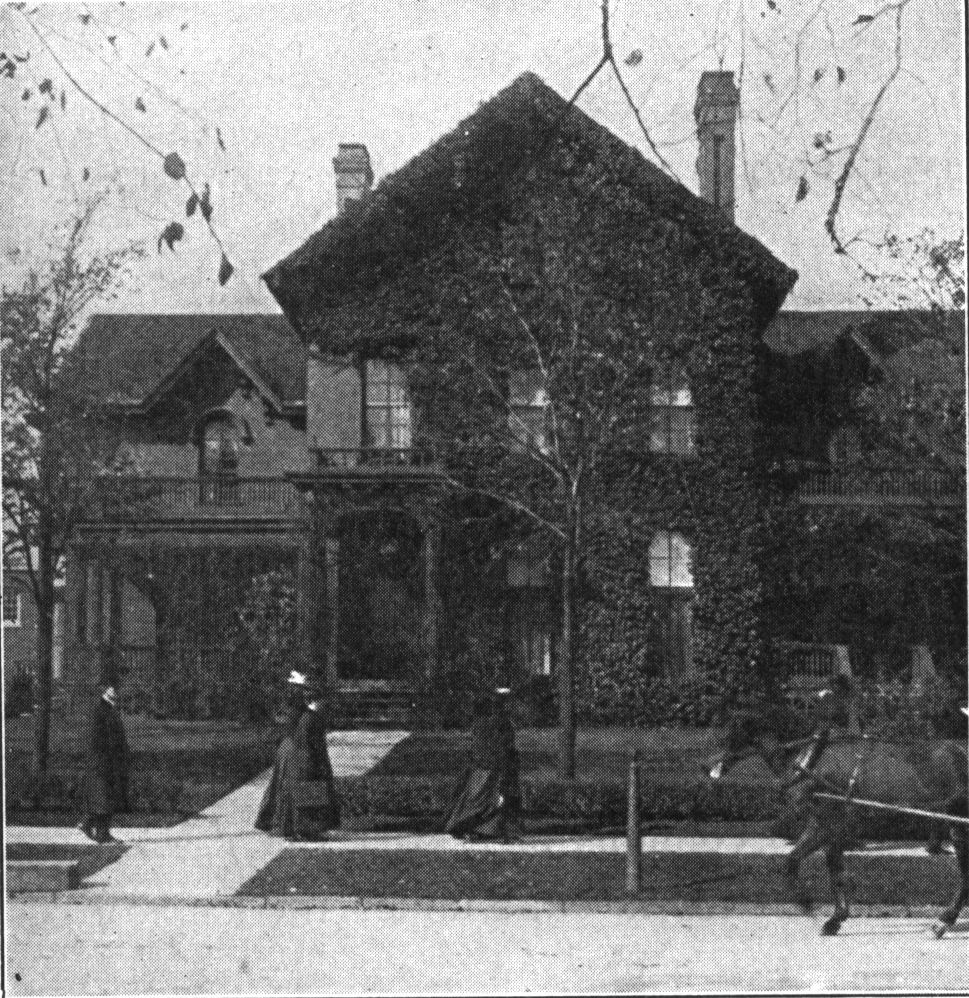
plaque marks the location where McKinley was shot. The Milburn house at 1168
Delaware Avenue, where McKinley died, was turned into an apartment building in 1919
and later demolished around 1956 for a parking lot at Canisius High School.
Senator Hanna, grief stricken, said "Mr. President, can't you hear me? William! Don't
you know me?" President McKinley, brought down by infection and gangrene, died at
2:15 a.m. on September 14, 1901. That afternoon, Vice President Theodore Roosevelt
was sworn in as President of the United States. Six weeks away from his 43rd
birthday, he was and still is the youngest man ever to hold the office of President.
After being pummeled right after the shooting, Leon Czolgosz had been arrested and
taken to police headquarters before nearly being lynched by the angry crowds that
surrounded the Temple of Music. Czolgosz readily admitted that he was the one who
had shot the President. In his written confession, Czolgosz stated, "I killed President
McKinley because I done my duty. I didn't believe one man should have so much
service and another man should have none."
Czolgosz was brought to trial on September 23, 1901. He was quickly found guilty and
sentenced to death. On October 29, 1901, Leon Czolgosz was electrocuted.
After McKinley's murder, Congress took up the question of Presidential security. In the
fall of 1901 they informally asked the Secret Service to control presidential security,
and the Service was protecting President Theodore Roosevelt full-time by 1902.
However, this was not yet official. Some in Congress recommended the United States
Army be charged with protecting the President. Not until 1906 did the Congress pass
legislation officially designating the Secret Service as the agency in charge of
presidential security.
The Temple of Music was demolished in late 1901 and the grounds of the Pan
American Exposition were cleared for residential development. A boulder with a metal
plaque marks the location where McKinley was shot. The Milburn house at 1168
Delaware Avenue, where McKinley died, was turned into an apartment building in 1919
and later demolished around 1956 for a parking lot at Canisius High School.
stomach since the shooting. Bulletins said
"continues to gain" and "condition
continues favorably." On September 12,
McKinley had his first solid food, some
toast and egg with coffee, but he "did not
relish it and ate very little." Later that day,
the President's condition began to
worsen. He reported headache and nausea
and his pulse rate increased, rapid but
weak. McKinley became sweaty and
restless, although he remained conscious
and alert. A bulletin on the morning of
September 13 said, "The President's
condition is very serious, and gives rise to
the gravest apprehension." That day,
Friday, September 13, McKinley began
rapidly deteriorating. Hanna and the
cabinet returned to the Milburn house.
McKinley was given adrenaline and
oxygen in attempts to improve his weak
pulse. His condition worsening, McKinley
told his doctors, “It is useless, gentlemen,
I think we ought to have prayer.” Later,
as he faded, McKinley whispered the
words to the hymn, "Nearer, My God, to
Thee." A bulletin at 6:15 p.m. said, "The
President's physicians report that his
condition is most serious in spite of
"continues to gain" and "condition
continues favorably." On September 12,
McKinley had his first solid food, some
toast and egg with coffee, but he "did not
relish it and ate very little." Later that day,
the President's condition began to
worsen. He reported headache and nausea
and his pulse rate increased, rapid but
weak. McKinley became sweaty and
restless, although he remained conscious
and alert. A bulletin on the morning of
September 13 said, "The President's
condition is very serious, and gives rise to
the gravest apprehension." That day,
Friday, September 13, McKinley began
rapidly deteriorating. Hanna and the
cabinet returned to the Milburn house.
McKinley was given adrenaline and
oxygen in attempts to improve his weak
pulse. His condition worsening, McKinley
told his doctors, “It is useless, gentlemen,
I think we ought to have prayer.” Later,
as he faded, McKinley whispered the
words to the hymn, "Nearer, My God, to
Thee." A bulletin at 6:15 p.m. said, "The
President's physicians report that his
condition is most serious in spite of
to Czolgosz's assertion that he had killed the President, McKinley not only was still
alive, but seemed to be recovering. On Saturday, September 7th, McKinley was in good
condition, relaxed and conversational. His wife was allowed to see him, and he asked
Cortelyou, "How did they like my speech?" A bulletin sent from his sickbed on
September 8 said, "The President passed a good night and his condition this morning is
quite encouraging. His mind is clear and he is resting well. Wound dressed at 8:30 and
found in a very satisfactory condition.
The President continued to improve. A bulletin on September 9 stated, "The President's
condition is becoming more and more satisfactory. Untoward incidents are less likely to
occur." On September 10 a bulletin stated, "The President's condition this morning is
eminently satisfactory to his physicians. If no complications arise a rapid convalescence
may be expected." McKinley continued to take water orally and nutritive enemas. On
September 11, the President took beef juice orally, the first food he'd taken in the
alive, but seemed to be recovering. On Saturday, September 7th, McKinley was in good
condition, relaxed and conversational. His wife was allowed to see him, and he asked
Cortelyou, "How did they like my speech?" A bulletin sent from his sickbed on
September 8 said, "The President passed a good night and his condition this morning is
quite encouraging. His mind is clear and he is resting well. Wound dressed at 8:30 and
found in a very satisfactory condition.
The President continued to improve. A bulletin on September 9 stated, "The President's
condition is becoming more and more satisfactory. Untoward incidents are less likely to
occur." On September 10 a bulletin stated, "The President's condition this morning is
eminently satisfactory to his physicians. If no complications arise a rapid convalescence
may be expected." McKinley continued to take water orally and nutritive enemas. On
September 11, the President took beef juice orally, the first food he'd taken in the
other bullet, however, entered the president's abdomen, tearing through his stomach,
pancreas, and kidney. Shocked at being shot, President McKinley began to sag as blood
stained his white shirt. He then told those around him, "Be careful how you tell my
wife."
Those in line behind Czolgosz and guards in the room all jumped on Czolgosz and
started to punch him. Seeing that the mob on Czolgosz might easily and quickly kill
him, President McKinley whispered either, "Don't let them hurt him" or "Go easy on
him, boys."
President McKinley was then whisked away in an electric ambulance to the hospital at
the Exposition. Unfortunately, the hospital was not properly equipped for such a
surgery and the very experienced doctor usually on premises was away doing a surgery
in another town. Although several doctors were found, the most experienced doctor
that could be found was Dr. Matthew Mann, a gynecologist. The surgery began at 5:20
p.m.
An experimental X-ray machine, which might have helped to find the bullet, was on
hand at the exhibition, but for reasons that remain unclear it was not used. (In the
pancreas, and kidney. Shocked at being shot, President McKinley began to sag as blood
stained his white shirt. He then told those around him, "Be careful how you tell my
wife."
Those in line behind Czolgosz and guards in the room all jumped on Czolgosz and
started to punch him. Seeing that the mob on Czolgosz might easily and quickly kill
him, President McKinley whispered either, "Don't let them hurt him" or "Go easy on
him, boys."
President McKinley was then whisked away in an electric ambulance to the hospital at
the Exposition. Unfortunately, the hospital was not properly equipped for such a
surgery and the very experienced doctor usually on premises was away doing a surgery
in another town. Although several doctors were found, the most experienced doctor
that could be found was Dr. Matthew Mann, a gynecologist. The surgery began at 5:20
p.m.
An experimental X-ray machine, which might have helped to find the bullet, was on
hand at the exhibition, but for reasons that remain unclear it was not used. (In the
At 4 p.m. the doors to the building were opened and the mass of people waiting outside
were forced into a single line as they entered the Temple of Music building. The line of
people thus came up to the president in an organized fashion, with just enough time to
whisper a "Nice to meet you, Mr. President," shake President McKinley's hand, and
then be forced to continue along the line and out the door again.
McKinley had been shaking hands for approximately ten minutes when Cortelyou left
his side to shut the doors. William J. Gomph, the exposition's official organist, was
softly playing Schumann's Träumerei on the massive organ that was a special attraction
at the Temple of Music. At this moment, 4:07 p.m. Czolgosz advanced to face the
President. McKinley reached out to take Czolgosz's "bandaged" hand, but before he
could shake it Czolgosz pulled the trigger twice. Aince the day had been hot, many of
the visitors to see the President had been carrying handkerchiefs in their hands so that
they could wipe the sweat off their faces, so that Czolgosz's handkerchief was not
noticed as unusal. James Parker punched Czolgosz in the face and tackled him,
were forced into a single line as they entered the Temple of Music building. The line of
people thus came up to the president in an organized fashion, with just enough time to
whisper a "Nice to meet you, Mr. President," shake President McKinley's hand, and
then be forced to continue along the line and out the door again.
McKinley had been shaking hands for approximately ten minutes when Cortelyou left
his side to shut the doors. William J. Gomph, the exposition's official organist, was
softly playing Schumann's Träumerei on the massive organ that was a special attraction
at the Temple of Music. At this moment, 4:07 p.m. Czolgosz advanced to face the
President. McKinley reached out to take Czolgosz's "bandaged" hand, but before he
could shake it Czolgosz pulled the trigger twice. Aince the day had been hot, many of
the visitors to see the President had been carrying handkerchiefs in their hands so that
they could wipe the sweat off their faces, so that Czolgosz's handkerchief was not
noticed as unusal. James Parker punched Czolgosz in the face and tackled him,
| Buffalo Commercial October 29, 1901 http://en.wikisource.org/wiki/Buffalo_Commercial/Buffalo_Men_at_the_Execution |
| Sheriff Caldwell and Charles R. Huntley returned from Auburn shortly after 1 o'clock this afternoon, having witnessed the execution of Leon F. Czolgosz, the slayer of President McKinley. Asked about the execution, Mr. Huntley said to a Commercial. reporter: "There is really little to be said about it. The case has been described correctly in the newspapers. I read them on my way up from Auburn and find that they picture the proceeding accurately. Czolgosz did not show any signs of fear and he did not tremble or turn pale; he walked into the death room between two men, and walked with a firm step. He stumbled as he came into the room but did not fall, nor did his knees weaken. I was quite surprised at his demeanor, as was everyone else, I should say. He was perfectly strong and calm. He just slid himself into the chair exactly as a man might who expected to enjoy a half |
| hour's repose. The fact that in a moment a death current was to be forced through him did not seem to perturb him in the least. "Yes, I heard him make the statements accredited to him. He spoke very plainly and in a voice which did not waver in the slightest degree. He said first that he was not sorry for having killed the President, and, as the straps which bound his jaws were put in place, he said that he was sorry he could not see his father. Everyone in the room must have heard and understood him. He had expressed a desire to speak, so it was claimed, after getting in the presence of the witnesses. He wanted everyone to hear him. It was supposed, therefore, that whatever talking he intended to do he would do before getting into the chair. It was a general surprise to hear his voice after the men had begun to affix the electrodes. The witnesses were somewhat startled and were amazed at the |
| Robert Todd Lincoln: Witness to three presidential assassinations www.helium.com/items/922422-robert-todd-lincoln-witness... |
| How George Solved the Puzzle |

 |  |  |  |
| If you have a picture you'd like us to feature a picture in a future quiz, please email it to us at CFitzp@aol.com. If we use it, you will receive a free analysis of your picture. You will also receive a free Forensic Genealogy CD or a 10% discount towards the purchase of the Forensic Genealogy book. |


 |  |  |  |
| Answers: 1. Temple of Music, Pan American Exhibition in Buffalo, NY, 1901 2. President William McKinley was shot. 3. Leon Czolgosz, William McKinley, James Parker, Agent George Foster, agent Albert Gallagher, Private Francis O'Brien |
| ********** |

| If you enjoy our quizzes, don't forget to order our books! Click here. |

| Enter Contest |
| Robert Todd Lincoln, the son of President Abraham Lincoln, has the distinction of being the only person to be present or at least close to three Presidential assassinations. He was a witness to not only the death of President Lincoln, but he was present at the assassinations of President Garfield and President McKinley. According to legend, he was so shaken by the assassination of President McKinley that he refused to attend any more public functions for fear that he would witness yet another Presidential assassination! Of course the most famous assassination to which Robert Todd Lincoln was connected was to that of his father, President Abraham Lincoln. On that fateful day, Robert had just arrived in Washington after serving as an aid to |
| General Grant. His parents invited him to go to the theatre with them, but he declined. He was tired and wanted to get a good night's sleep. He did not get a good night's sleep, however, because he was awakened with news that his father had been shot. He rushed to Lincoln's deathbed and stayed there until Lincoln died the next day. Robert blamed himself for what had happened. Understandably, he wondered how things might have been different if he had been there. Could he have stopped Booth? That was a question that haunted him for the rest of his life. In 1881, Robert was the Secretary of War for President James Garfield. At the President's request, Robert planned to travel with the President to Elberon, New Jersey. Unfortunately, he was late at arriving at the train station in Washington. Just as Robert arrived at the station, President Garfield was shot by Charles Guiteau. While we do not know for sure where Robert was during the assassination, it is likely that he was an eyewitness to it. At the very least, he was present and heard the fatal gunshot. In 1901, Robert was the President of the Pullman Car Association when President McKinley invited him to attend the Pan American Exposition in Buffalo, New York. Robert arrived late, and was on his way to greet the President when Leon Czolgosz |
| The first quiz hint was the flag in the background which had a total of 45 stars (3 rows of 8 stars plus 3 rows of 7 stars). Utah became the 45th state in 1896. The 46th state was Oklahoma (1907). This places the event as ocurring between 1896 and 1907. Other than the Spanish-American War in 1898, the biggest event was McKinley's assassination. I consulted en.wikipedia.org for the keywords McKinley assassination. The photo and event were described. George E. Wright |
U.S. President William McKinley Assassinated
(1901): On September 6, 1901, U.S. President
William McKinley spent the morning visiting
Niagara Falls with his wife before returning to the
Pan-American Exposition in Buffalo, New York in
the afternoon to spend a few minutes greeting the
public.
By about 3:30 p.m., President McKinley stood
inside the Temple of Music building at the
Exposition, ready to begin shaking the hands of
the public as they streamed into the building.
Many had been waiting for hours outside in the
heat for their chance to meet the President.
Unbeknownst to the President and the many
guards who stood nearby, among those waiting
outside was 28-year-old anarchist Leon Czolgosz
who was planning to kill President McKinley.
(1901): On September 6, 1901, U.S. President
William McKinley spent the morning visiting
Niagara Falls with his wife before returning to the
Pan-American Exposition in Buffalo, New York in
the afternoon to spend a few minutes greeting the
public.
By about 3:30 p.m., President McKinley stood
inside the Temple of Music building at the
Exposition, ready to begin shaking the hands of
the public as they streamed into the building.
Many had been waiting for hours outside in the
heat for their chance to meet the President.
Unbeknownst to the President and the many
guards who stood nearby, among those waiting
outside was 28-year-old anarchist Leon Czolgosz
who was planning to kill President McKinley.
| Robert Todd Lincoln on the cover of TIME magazine less than four months before his death at age 83. www.dke.org/site/alumni/mystic_circle/Mystic_ |
| watch a production of Our American Cousin. It was a decision he soon came to regret. Edwin Booth, born in 1833, was the second oldest of Junius Brutus Booth’s three sons. Junius was considered by many to be among the finest Shakespearean actors of his day. While John Wilkes was a competent actor who played to good reviews, Edwin was also regarded as one of the 19th century’s great Shakespearean actors. His most famous part was Hamlet, which he portrayed more often than any other actor before or since, including a run of 100 consecutive nights. In 1862 Edwin became manager of the Winter Garden Theatre in New York City, where he presented highly acclaimed Shakespearean productions. Fate brought Lincoln and Booth together in a train station in Jersey City, N.J., in the midst of the Civil War. At the time Robert was on a holiday from Harvard, traveling from New York to Washington, D.C., while Booth was on his way to Richmond, Va., with his friend, John T. Ford (owner of Ford’s Theatre in Washington). The exact date of the encounter is unknown, although Robert consistently recalled it as having occurred in 1863 or 1864. Robert Lincoln wrote the most succinct account of the incident in a 1909 letter to Richard Watson Gilder, editor of The Century Magazine, who asked him to verify that the episode actually took place: The incident occurred while a group of passengers were late at night purchasing their sleeping car places from the conductor who stood on the station platform at the entrance of the car. The platform was about the height of the car floor, and there was of course a narrow space between the platform and the car body. There was some crowding, and I happened to be pressed by it against the car body while waiting my turn. In this situation the train began to move, and by the motion I was twisted off my feet, and had dropped somewhat, with feet downward, into the open space, and was personally helpless, when my coat collar was vigorously seized and I was quickly pulled up and out to a secure footing on the platform. Upon turning to thank my rescuer I saw it was Edwin Booth, whose face was of course well known to me, and I expressed my gratitude to him, and in doing so, called him by name. Read more... |
| ********** |
| man's calmness. We all kept our eyes on him and listened most attentively. But the men at work beside him and in front, of him did not pause. They kept on affixing the appliances. Evidently Czolgosz had prepared something to say and what he said was part of his prepared piece. That is my thought of the matter. I wouldn't say that he tried to make a hero of himself. There was no spirit of bravado manifest at all. He said a few things just as if he felt it his duty to say them." "Did, he tremble or grow pale as the straps were put in place?" was asked. Read more... |
| ********** |
| How Booth Saved Lincoln's Life www.historynet.com/edwin-booth-saved-robert-todd-lincolns-life.htm |
Honestly, Colleen, could you have made it any easier? 45-star flags and the photo file
named "shuffle_off_to" -- my 5.7 pound Pom could have solved this!!!
Diane Burkett
*****
McKinley was standing and shaking hands with a line of people! Czolgosz was in the
line with a gun in his hand wrapped in a white handkerchief. The Presidential guards
who were supposed to be watching the crowd missed this rather obvious problem as
they were keeping a close eye on a 6'6" African American in line behind Czolgosz.
Racial profiling 1901 style. Carolyn Cornelius
N.B. The old napkin over the gun in the hand trick. I've seen it at lots of cocktail
parties!
*****
Didn’t need the filename clue. The trick was to count the stars on the flag to get the
timeframe. I had a hunch that the photo had something to do with a Presidential event,
possibly an assassination. That narrowed down pretty fast. I looked up the McKinley
assassination and noticed the same backdrop in some of the period drawings. Bingo.
John Chulick
*****
Great quiz! I figured this one out with the title of the page ("shuffle off to" = buffalo),
and the number of the stars on the flag which pin down the time. The first thought was
Utah's admission to the union, but the interior of the Mormon tablernacle was wrong.
There is a song about this assassination callled "Hard Times" performed by Boiled in
Lead on their album "Orb" from 1990.
Ed Vielmetti
*****
I saw the theater and thought assassination and I saw the flag with 45 stars so I
assumed an assassination in US before 1907 but after 1896. That gave me McKinley
and the rest was easy.
A few minutes after I sent the answer in I got an email from Ancestry that talked of the
Decade 1900-1909: “The American president, William McKinley’s life was also cut
short in September 1901 in his second term, when anarchist Leon Czolgosz shot him at
the Pan–American Exposition in Buffalo, New York.” Weird. Fred Stuart
N. B. Weird, yes, but also flattering that Ancestry is taking their leads from our
Forensic Genealogy quizzes.
*****
My grandparents were neighbors of President Mc Kinley, when he lived in Canton,
Ohio. Needless to say, they were very distraught over his death. When he would have
big dinners at his home my aunts would go over and help in the kitchen. They were
devestated when he was murdered. I have newspapers from the day after he died. My
grandfather kept them and then I got them. Needless to say they are not in the greatest
of condition. I have them in a box in my closet. Sharon Martin
*****
Interesting that there was an x-ray machine at the fair and it might have been used to
find the bullet which caused McKinley's death but it wasn't. Edison had an x-ray
machine flown from his laboratory in New Jersey, but it was not used either.
As a result of McKinley's assassination the Secret Service was officially designated as
the guardians of the president. In reading about the Temple of Music the article said it
"was extensively electrified, both internally and externally." I reflected on how far we
have come in 100 years that we take electricity as a given and so short a time ago it
was still a rarity.
Thanks for the subtle hint - I wouldn't have gotten this without the photo name you
included. It didn't show up on tineye but when I downloaded the photo to check tineye
it came up as "shuffle-off-to-" I remembered that McKinley was shot there so when I
eventually searched 'McKinley in Buffalo' there it was.
re Mckinley: I read that it took him nearly a week to die. The article also said he was
still standing after he was shot and when he saw his guards beating up the shooter he
exhorted them not to hurt him. When they brought the word of McK's death Roosevelt
is reported to have said, "I wanted to be president, but not this way" Milene Rawlinson
*****
WHOA!!! Gerald gets the Mr Stan Hair Pulling Adward on this one!! Fast Fred and I
had to do some fancy Googling to hunt this one out...Fred verbalized to me that if I quit
on him on this quiz, he'd play Leon to my Mackinney!!!!
Mr. Rick and Fellow Quizmaster Fast Freddie
*****
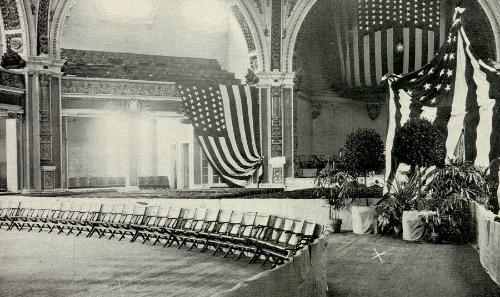
This was quite tricky for me at first. The USA flag (farthest left) helped to establish a
range of possible years for the photo. It appears to be the 45 star flag (8+7+8+7+8+7)
which became official on July 4th, 1896 and lasted for 12 years for 12 years. The
Presidents to serve under this flag were Grover Cleveland (1893-1897), William
McKinley (1897-1901), and Theodore Roosevelt (1901-1909).
The building appeared like a church, or cathedral, with the upper balcony although the
horse-shoe alignment of chairs on the lower floor, instead of pews did not make sense.
I usually copy the photos and for this one the file name “shuffle_off_to” gave a very
helpful clue. The song lyrics for “Shuffle Off to Buffalo” were written in 1932. This
was not revealing the timing of the photo and so was likely indicating where the event
happened - Buffalo.
A search for “famous buildings” in Buffalo was not productive! The “X” on the floor
seemed to suggest a murder or crime scene location. In more modern times you would
expect to see the outline of a body on the ground, if it was a murder. The search
“Buffalo assassination” produced the answer. First offering was the assassination of
President McKinley described in Wikipedia. The sketch showing the shooting of
President McKinley reveals a background similar to the photo of the quiz. Google image
searches for this event gave me the actual picture. Don Draper
*****
I'm not sure why, but this photo seemed to have assassination all over it; and the
document tag "shuffle-off-to" pretty well narrowed it down to Buffalo and, thus,
McKinley. My first inclination, that I would have to resort to the Tineye route, lasted
perhaps as much as four and a half seconds. Peter Norton
*****
Much like the photo of Lincoln's funeral, I recognized the location and photo. My study
of U.S. history must be too focused on the presidential assassination. James Baker
*****
The main clue was the "title of the picture" (found by right-clicking and choosing
Properties). Took a little "detour" from there... accidentally started searching for
"Kennedy" but somehow ended up with McKinley. I'm really good at finding stuff by
serendipity! :) Carl Blessing
*****
This was an easy one for me because I had seen this photo sometime ago, and it looked
very familiar to me. Also, there are 45 stars on the American Flag which would date the
picture sometime between o4 January 1896 (45= Utah entering the Union) 16
November 1907 (46=Oklahoma enters the Union), which was inclusive of the Pan-
American Exposition. Tineye was also no help for this quiz.
Robert W. Steinmann Jr.
*****
My Grandmothe talked about how the country felt after he was killed. She was about 8
at the time. I stumbled across a movie showing the horse drawn carriages of his funeral
procession. I'm still not certain if it is a hoax or not. Gina Hudson
*****
It took a bit of hunt and peck. The photo was obviously taken in the US and it really
did look very bleak. I Googled 'assassinations of US presidents' and bingo after
searching through many pictures I found the photo. Jocelyn Thayer
*****
Hi Colleen! Yes, I hadn't known prior to researching this photo that McKinley had died
of gangrene - assumed he had died right away from the shooting, that is always the
bonus with any kind of research, you learn something new each time. Even my
husband the history buff did not know that - so we both noted that fact for later,
maybe sometime it will come up in a trivia contest. Nicole Blank
N. B. Well you never can tell when you might be on Jeopardy and this turns out to be
the Final Jeopardy Answer...
named "shuffle_off_to" -- my 5.7 pound Pom could have solved this!!!
Diane Burkett
*****
McKinley was standing and shaking hands with a line of people! Czolgosz was in the
line with a gun in his hand wrapped in a white handkerchief. The Presidential guards
who were supposed to be watching the crowd missed this rather obvious problem as
they were keeping a close eye on a 6'6" African American in line behind Czolgosz.
Racial profiling 1901 style. Carolyn Cornelius
N.B. The old napkin over the gun in the hand trick. I've seen it at lots of cocktail
parties!
*****
Didn’t need the filename clue. The trick was to count the stars on the flag to get the
timeframe. I had a hunch that the photo had something to do with a Presidential event,
possibly an assassination. That narrowed down pretty fast. I looked up the McKinley
assassination and noticed the same backdrop in some of the period drawings. Bingo.
John Chulick
*****
Great quiz! I figured this one out with the title of the page ("shuffle off to" = buffalo),
and the number of the stars on the flag which pin down the time. The first thought was
Utah's admission to the union, but the interior of the Mormon tablernacle was wrong.
There is a song about this assassination callled "Hard Times" performed by Boiled in
Lead on their album "Orb" from 1990.
Ed Vielmetti
*****
I saw the theater and thought assassination and I saw the flag with 45 stars so I
assumed an assassination in US before 1907 but after 1896. That gave me McKinley
and the rest was easy.
A few minutes after I sent the answer in I got an email from Ancestry that talked of the
Decade 1900-1909: “The American president, William McKinley’s life was also cut
short in September 1901 in his second term, when anarchist Leon Czolgosz shot him at
the Pan–American Exposition in Buffalo, New York.” Weird. Fred Stuart
N. B. Weird, yes, but also flattering that Ancestry is taking their leads from our
Forensic Genealogy quizzes.
*****
My grandparents were neighbors of President Mc Kinley, when he lived in Canton,
Ohio. Needless to say, they were very distraught over his death. When he would have
big dinners at his home my aunts would go over and help in the kitchen. They were
devestated when he was murdered. I have newspapers from the day after he died. My
grandfather kept them and then I got them. Needless to say they are not in the greatest
of condition. I have them in a box in my closet. Sharon Martin
*****
Interesting that there was an x-ray machine at the fair and it might have been used to
find the bullet which caused McKinley's death but it wasn't. Edison had an x-ray
machine flown from his laboratory in New Jersey, but it was not used either.
As a result of McKinley's assassination the Secret Service was officially designated as
the guardians of the president. In reading about the Temple of Music the article said it
"was extensively electrified, both internally and externally." I reflected on how far we
have come in 100 years that we take electricity as a given and so short a time ago it
was still a rarity.
Thanks for the subtle hint - I wouldn't have gotten this without the photo name you
included. It didn't show up on tineye but when I downloaded the photo to check tineye
it came up as "shuffle-off-to-" I remembered that McKinley was shot there so when I
eventually searched 'McKinley in Buffalo' there it was.
re Mckinley: I read that it took him nearly a week to die. The article also said he was
still standing after he was shot and when he saw his guards beating up the shooter he
exhorted them not to hurt him. When they brought the word of McK's death Roosevelt
is reported to have said, "I wanted to be president, but not this way" Milene Rawlinson
*****
WHOA!!! Gerald gets the Mr Stan Hair Pulling Adward on this one!! Fast Fred and I
had to do some fancy Googling to hunt this one out...Fred verbalized to me that if I quit
on him on this quiz, he'd play Leon to my Mackinney!!!!
Mr. Rick and Fellow Quizmaster Fast Freddie
*****
This was quite tricky for me at first. The USA flag (farthest left) helped to establish a
range of possible years for the photo. It appears to be the 45 star flag (8+7+8+7+8+7)
which became official on July 4th, 1896 and lasted for 12 years for 12 years. The
Presidents to serve under this flag were Grover Cleveland (1893-1897), William
McKinley (1897-1901), and Theodore Roosevelt (1901-1909).
The building appeared like a church, or cathedral, with the upper balcony although the
horse-shoe alignment of chairs on the lower floor, instead of pews did not make sense.
I usually copy the photos and for this one the file name “shuffle_off_to” gave a very
helpful clue. The song lyrics for “Shuffle Off to Buffalo” were written in 1932. This
was not revealing the timing of the photo and so was likely indicating where the event
happened - Buffalo.
A search for “famous buildings” in Buffalo was not productive! The “X” on the floor
seemed to suggest a murder or crime scene location. In more modern times you would
expect to see the outline of a body on the ground, if it was a murder. The search
“Buffalo assassination” produced the answer. First offering was the assassination of
President McKinley described in Wikipedia. The sketch showing the shooting of
President McKinley reveals a background similar to the photo of the quiz. Google image
searches for this event gave me the actual picture. Don Draper
*****
I'm not sure why, but this photo seemed to have assassination all over it; and the
document tag "shuffle-off-to" pretty well narrowed it down to Buffalo and, thus,
McKinley. My first inclination, that I would have to resort to the Tineye route, lasted
perhaps as much as four and a half seconds. Peter Norton
*****
Much like the photo of Lincoln's funeral, I recognized the location and photo. My study
of U.S. history must be too focused on the presidential assassination. James Baker
*****
The main clue was the "title of the picture" (found by right-clicking and choosing
Properties). Took a little "detour" from there... accidentally started searching for
"Kennedy" but somehow ended up with McKinley. I'm really good at finding stuff by
serendipity! :) Carl Blessing
*****
This was an easy one for me because I had seen this photo sometime ago, and it looked
very familiar to me. Also, there are 45 stars on the American Flag which would date the
picture sometime between o4 January 1896 (45= Utah entering the Union) 16
November 1907 (46=Oklahoma enters the Union), which was inclusive of the Pan-
American Exposition. Tineye was also no help for this quiz.
Robert W. Steinmann Jr.
*****
My Grandmothe talked about how the country felt after he was killed. She was about 8
at the time. I stumbled across a movie showing the horse drawn carriages of his funeral
procession. I'm still not certain if it is a hoax or not. Gina Hudson
*****
It took a bit of hunt and peck. The photo was obviously taken in the US and it really
did look very bleak. I Googled 'assassinations of US presidents' and bingo after
searching through many pictures I found the photo. Jocelyn Thayer
*****
Hi Colleen! Yes, I hadn't known prior to researching this photo that McKinley had died
of gangrene - assumed he had died right away from the shooting, that is always the
bonus with any kind of research, you learn something new each time. Even my
husband the history buff did not know that - so we both noted that fact for later,
maybe sometime it will come up in a trivia contest. Nicole Blank
N. B. Well you never can tell when you might be on Jeopardy and this turns out to be
the Final Jeopardy Answer...
| A CRIME MOST FOUL Anarchist, Leon Czolgosz, the assassin, Perhaps frustrated trying to spell his own name, Shot and killed President William McKinley, On the stage of the "Buffalo Temple" of fame At that stage of the Temple of Music, Created by Architect James A. Johnson's design, Built to celebrate the 1901 Pan American Exposition, Establishing the building as emulating a shrine. Because the dastardly deed was carried out there, It identified the structure to the crime so great, The building shortly after was totally demolished, To erase any memories that the structure might relate. Robert Edward McKenna Quiz Poet Laureate ***** When asked if I would be President My answer is no not I The job has a 10% mortality rate It not worth the chance I'd die. But there is employment more dangerous I know So that I can be sure to state That the job of presidential assassin has A 100% mortality rate! Colleen Fitzpatrick Understudy to Quiz Poet Laureate Robert Edward McKenna |
was later arrested and briefly detained on suspicion of involvement in McKinley's
murder.
In his September 7 statement, Czolgosz said that he had read eight days prior, in
Chicago, that McKinley would be attending the Exposition. He immediately took a train
to Buffalo and found lodgings in a boarding house. Czolgosz attended the fair on
September 5 for President's Day and heard McKinley's speech. He was tempted to
shoot the President then but he could not get close enough. Instead, he returned to the
Exposition the next day. Goldman's speech from May was still "burning [him] up". He
joined the line of people waiting to shake the president's hand. Czolgosz wrapped his
hand in a white handkerchief to hide the gun he was carrying. Secret Serviceman
George Foster later explained his failure to observe Czolgosz's wrapped-up hand by
saying that Czolgosz was too closely bunched up to the man in front of him. However,
at the trial, Foster would also admit to not noticing Czolgosz because he was paying
close attention to James Parker, a six-foot six inch black waiter from Atlanta laid-off by
the exposition's Plaza Restaurant, who was standing immediately behind Czolgosz.
murder.
In his September 7 statement, Czolgosz said that he had read eight days prior, in
Chicago, that McKinley would be attending the Exposition. He immediately took a train
to Buffalo and found lodgings in a boarding house. Czolgosz attended the fair on
September 5 for President's Day and heard McKinley's speech. He was tempted to
shoot the President then but he could not get close enough. Instead, he returned to the
Exposition the next day. Goldman's speech from May was still "burning [him] up". He
joined the line of people waiting to shake the president's hand. Czolgosz wrapped his
hand in a white handkerchief to hide the gun he was carrying. Secret Serviceman
George Foster later explained his failure to observe Czolgosz's wrapped-up hand by
saying that Czolgosz was too closely bunched up to the man in front of him. However,
at the trial, Foster would also admit to not noticing Czolgosz because he was paying
close attention to James Parker, a six-foot six inch black waiter from Atlanta laid-off by
the exposition's Plaza Restaurant, who was standing immediately behind Czolgosz.
| Photo of Leon Czolgosz in jail after assassination. http://en.wikipedia.org/wiki/File:First_photograph_of |

| ********** |
| Quiz #229 October 18, 2009 |
| Congratulations to Our Winners! Mr. Rick and Fellow Quizmaster Fast Freddie George E. Wright Fred Stuart John Chulick Ed Vielmetti Diane Burkett Betty Chambers Daniel E. Jolley Jim Kiser Stan Read Sharon Martin Bill Utterback Anne Alves Marilyn Hamill Ben Truwe Milene Rawlinson Gina Hudson JoLynn Pfeiffer Teresa Yu Alan Lemm Nicole Blank Mike Swierczewski Don Draper Peter Norton Margaret Paxton John Sims James Baker Norm Smith Kevin Beeson Dennis Brann Karen Kay Bunting Gary Sterne Carolyn Cornelius Margaret Waterman Carl Blessing D_b_i_ S_e_b_n_k_* Mike Dalton Robert W. Steinmann Jr. Marilyn Hamill Jocelyn Thayer Venita Wilson Robert Edward McKenna, QPL *Debbie Sterbinsky receives half credit for recognizing the location as the site of a Presidential assassination, though not the correct one. |
| Comments from Our Readers |
| Leon Czolgosz May 1873– October 29, 1901 http://en.wikipedia.org/wiki/Leon_Czolgosz |
| ********** |
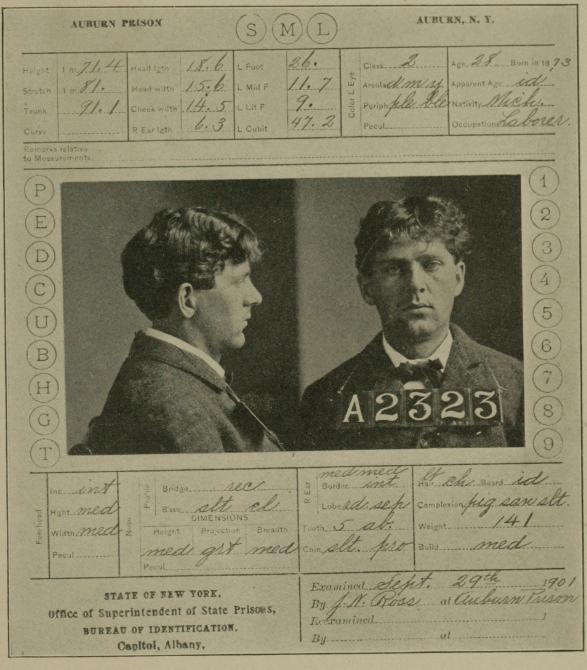
| Leon Czolgosz's Prisoner Card http://en.wikipedia.org/wiki/File:Czol_execution |

1. What is the name of this building and what event was it built for? 2. What important event happened at the 'X'? 3. Who were the people involved? |
| Thanks to long time Quizmaster Gerald Vanlandingham for suggesting this quiz. |
| ********** |
| ********** |
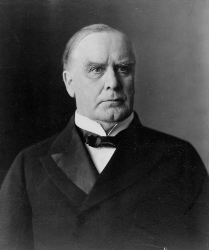
| President William McKinley Jan 29, 1843 – Sep 14, 1901 |
| In the 140 years since the Lincoln assassination, innumerable myths, legends and astonishing statements have been circulated about the ‘crime of the century. One of the latter featured the type of clever word game that Americans have long relished: Booth saved Lincoln’s life. The statement is true, but the incident to which it refers did not involve President Abraham Lincoln and his assassin, John Wilkes Booth. Instead it refers to Edwin Booth, John Wilkes’ older brother, and Robert Todd Lincoln, the president’s only child to reach maturity. Just as intriguing as the suggestion imbedded in the word game, however, is the episode’s transformation as it appeared in publications from 1893 to 1979. Robert Todd Lincoln was the eldest of Abraham and Mary Lincoln’s four sons. A 17-year-old student at Harvard when the Civil War began, he spent the majority of the war years at college. Much to the embarrassment of the president, his mother refused to allow him to enlist. In February 1865, Robert joined General-in-Chief Ulysses S. Grant’s staff as a captain and assistant adjutant general of volunteers. He stayed with Grant until the end of the war, accompanying him to Washington on April 13, 1865. The next day he spent two hours with his father, telling him of his experiences in the army, which included witnessing Robert E. Lee’s surrender at Appomattox Court House. That night, he chose not to accompany his parents to Ford’s Theatre to |
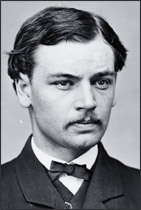
| Robert Todd Lincoln www.historynet.com/edwin-booth-saved- |
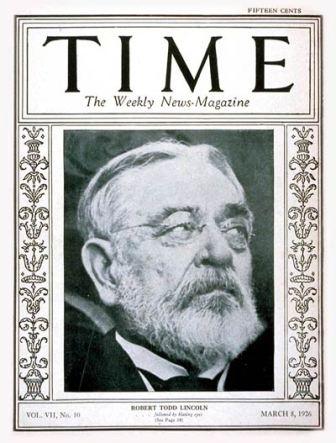
| shot and mortally wounded McKinley. Robert was most likely not yet near the President when the assassination occurred, but he was at the Exposition and probably heard the gunshots. There are some who say that President Garfield and President McKinley had started having the same sort of prophetic dreams about their deaths that had haunted President Lincoln before his assassination and that both men had requested the presence of Robert Todd because they wanted to discuss his father's dreams. Whatever the case, Robert Todd was invited to the scenes of three Presidential Assassinations and was one of the closest witnesses to all three. It is little wonder that he began to feel that it was more than just coincidence and that he needed to stay away to keep his bad luck away from the President! |
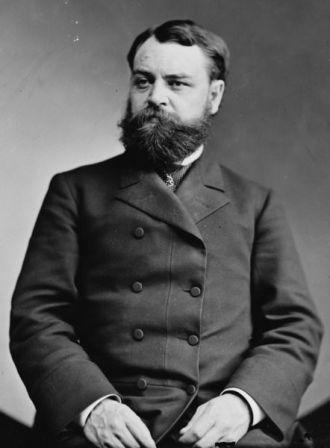
| Robert Todd Lincoln in Midlife www.dke.org/images/Lincoln.Robert |

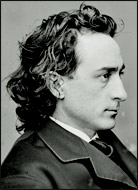
| Edwin Booth www.dke.org/images/Lincoln.Robert |
| The Assassination of President William McKinley en.wikipedia.org/wiki/William_McKinley and history1900s.about.com/od/1900s/qt/mckinleykilled.htm |
knocking the gun from Czolgosz's hand.
Agent George Foster jumped onto
Czolgosz and shouted to fellow agent
Albert Gallagher "Al, get the gun! Get the
gun! Al, get the gun!" Gallagher instead
got Czolgosz's handkerchief, which was
on fire. Private Francis O'Brien, of
McKinley's Army detail, picked up the
gun.
One of the bullets didn't enter the
president - some say it bounced off of a
button or off the president's sternum and
then got tucked into his clothing. The
Agent George Foster jumped onto
Czolgosz and shouted to fellow agent
Albert Gallagher "Al, get the gun! Get the
gun! Al, get the gun!" Gallagher instead
got Czolgosz's handkerchief, which was
on fire. Private Francis O'Brien, of
McKinley's Army detail, picked up the
gun.
One of the bullets didn't enter the
president - some say it bounced off of a
button or off the president's sternum and
then got tucked into his clothing. The
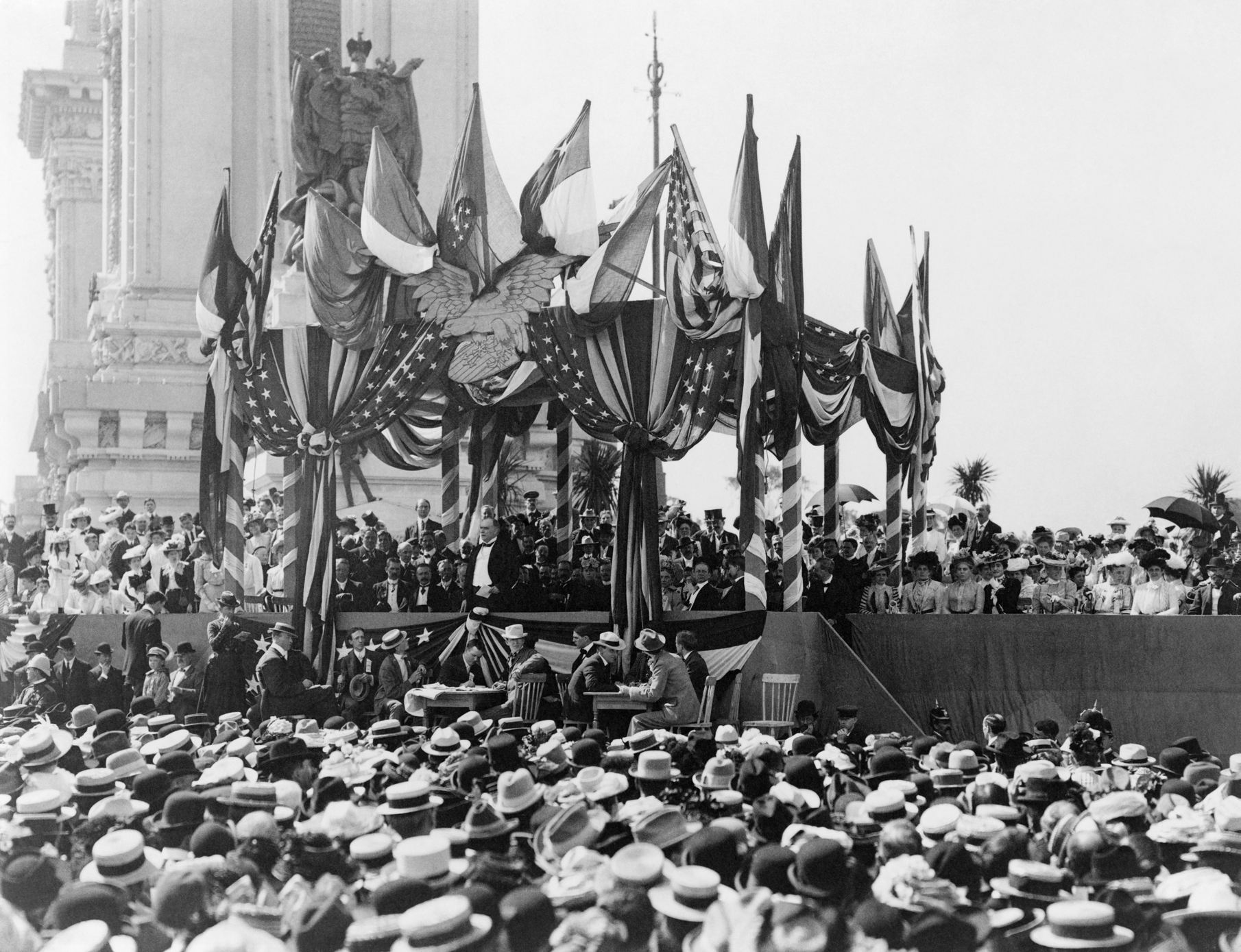
McKinley's last speech delivered Sept 5,
1901 at the Pan-American Exposition.
1901 at the Pan-American Exposition.
following days Thomas Edison would
arrange for an X-ray machine to be
delivered all the way from his shop in New
Jersey, but it was never used either).
During the operation, the doctors searched
for the remains of the bullet that had
entered the President's abdomen, but were
unable to locate it. Worried that continued
searching would tax the President's body
too much, the doctors decided to
discontinue looking for it and to sew up
what they could. The surgery was
completed a little before 7 p.m.
For several days, President McKinley
seemed to be getting better. After the
shock of the shooting, the nation was
excited to hear some good news. Contrary
arrange for an X-ray machine to be
delivered all the way from his shop in New
Jersey, but it was never used either).
During the operation, the doctors searched
for the remains of the bullet that had
entered the President's abdomen, but were
unable to locate it. Worried that continued
searching would tax the President's body
too much, the doctors decided to
discontinue looking for it and to sew up
what they could. The surgery was
completed a little before 7 p.m.
For several days, President McKinley
seemed to be getting better. After the
shock of the shooting, the nation was
excited to hear some good news. Contrary
| Milburn residence in Buffalo where McKinley died. |
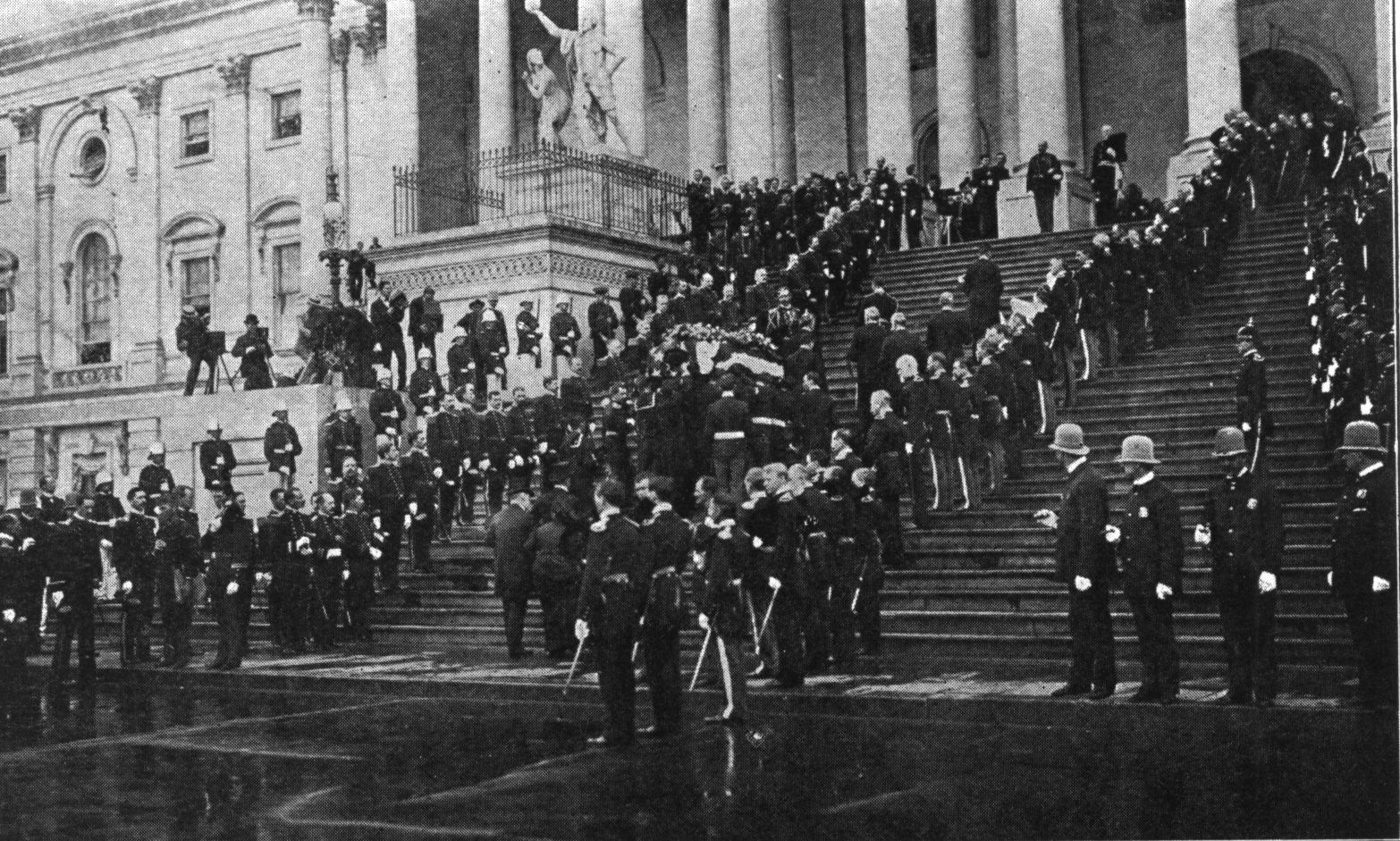
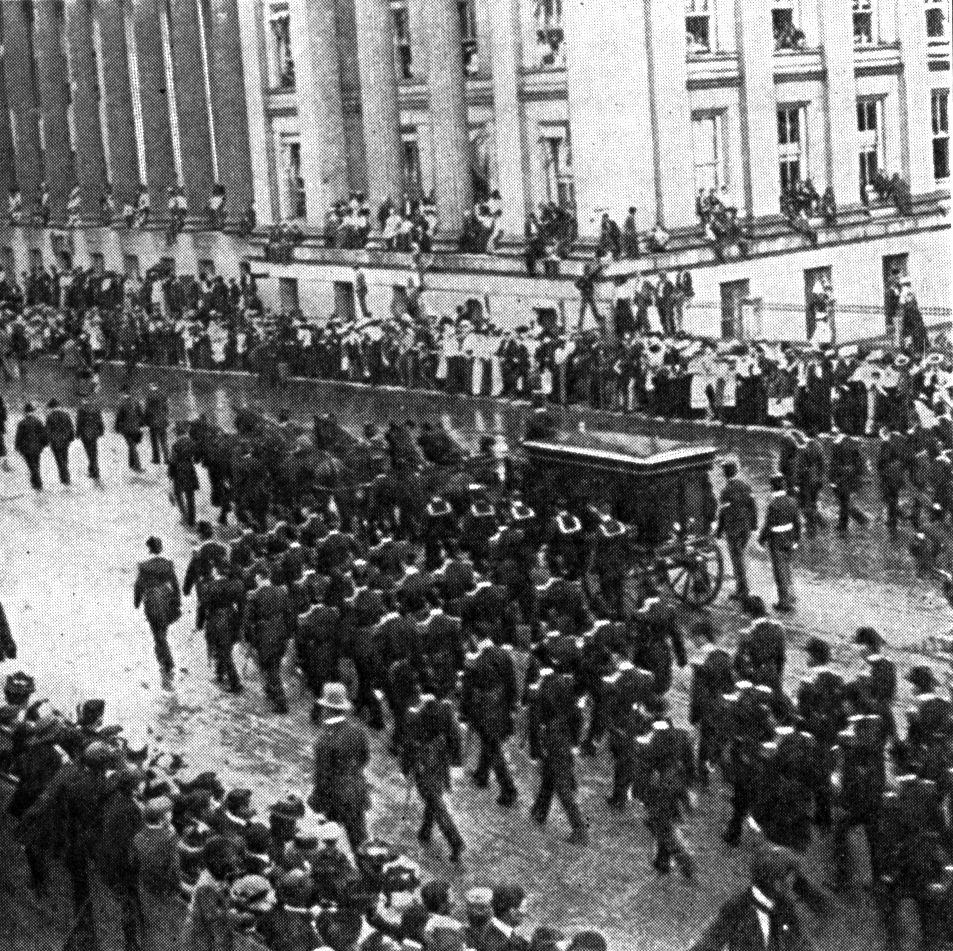
(Top) McKinley's casket at the Capitol;
(Bottom) McKinley's coffin passing the
Treasury Building.
(Bottom) McKinley's coffin passing the
Treasury Building.
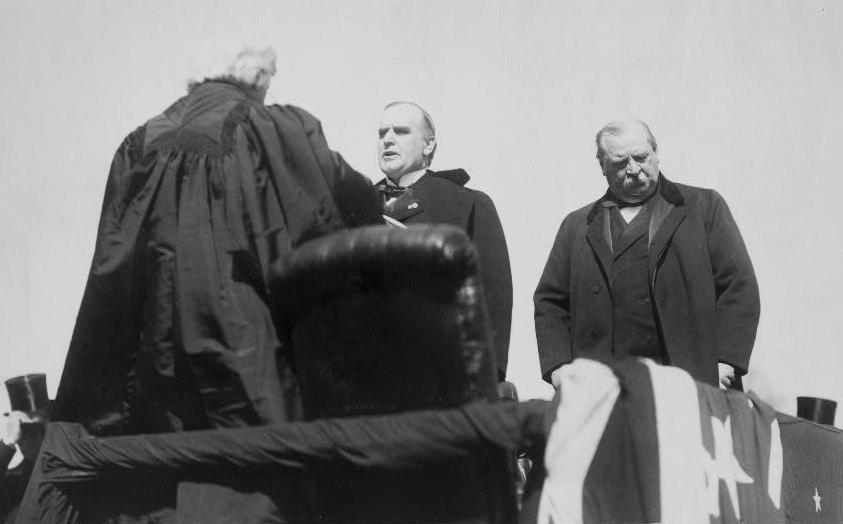
| Chief Justice Melville Fuller administering the oath to McKinley as president in 1897. Outgoing president Grover Cleveland stands to the right. upload.wikimedia.org/wikipedia/en/6/67/... |

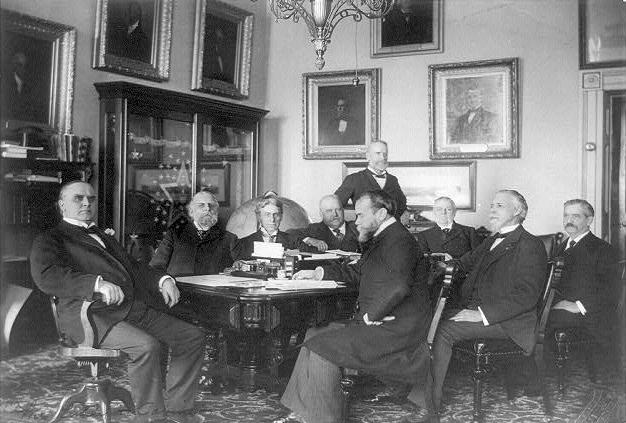
| President McKinley and his cabinet. upload.wikimedia.org/wikipedia/en/c/cd/... |