Many bodies have emerged from the Seine -
suicides, victims of accident or murder. The film
"Death in the Seine" examines the lives of just a
fraction of the 306 bodies taken from the river
from April 1795 to September 1801 - a mere six
years. These victims were recorded by the
attendants - Bouille and Daude - in the mortuary -
if the bodies were identified the men jotted down
details of their lives.
The unknown girl of the Seine died a hundred
years after this pair wrote their fragmentary and
pathetic biographies. Through this time the bodies
brought from the river were still placed out in the
mortuary behind Notre-Dame in the hopes that
they would be identified, and the Sunday stroll
through the morgue was one of the attractions for
all classes: "the allegedly serious business of
suicides, victims of accident or murder. The film
"Death in the Seine" examines the lives of just a
fraction of the 306 bodies taken from the river
from April 1795 to September 1801 - a mere six
years. These victims were recorded by the
attendants - Bouille and Daude - in the mortuary -
if the bodies were identified the men jotted down
details of their lives.
The unknown girl of the Seine died a hundred
years after this pair wrote their fragmentary and
pathetic biographies. Through this time the bodies
brought from the river were still placed out in the
mortuary behind Notre-Dame in the hopes that
they would be identified, and the Sunday stroll
through the morgue was one of the attractions for
all classes: "the allegedly serious business of

 |  |  |  |
| If you enjoy our quizzes, don't forget to order our books! Click here. |
| If you have a picture you'd like us to feature a picture in a future quiz, please email it to us at CFitzp@aol.com. If we use it, you will receive a free analysis of your picture. You will also receive a free Forensic Genealogy CD or a 10% discount towards the purchase of the Forensic Genealogy book. |

| Quiz #132 Results |


 |  |  |  |
| ********** |
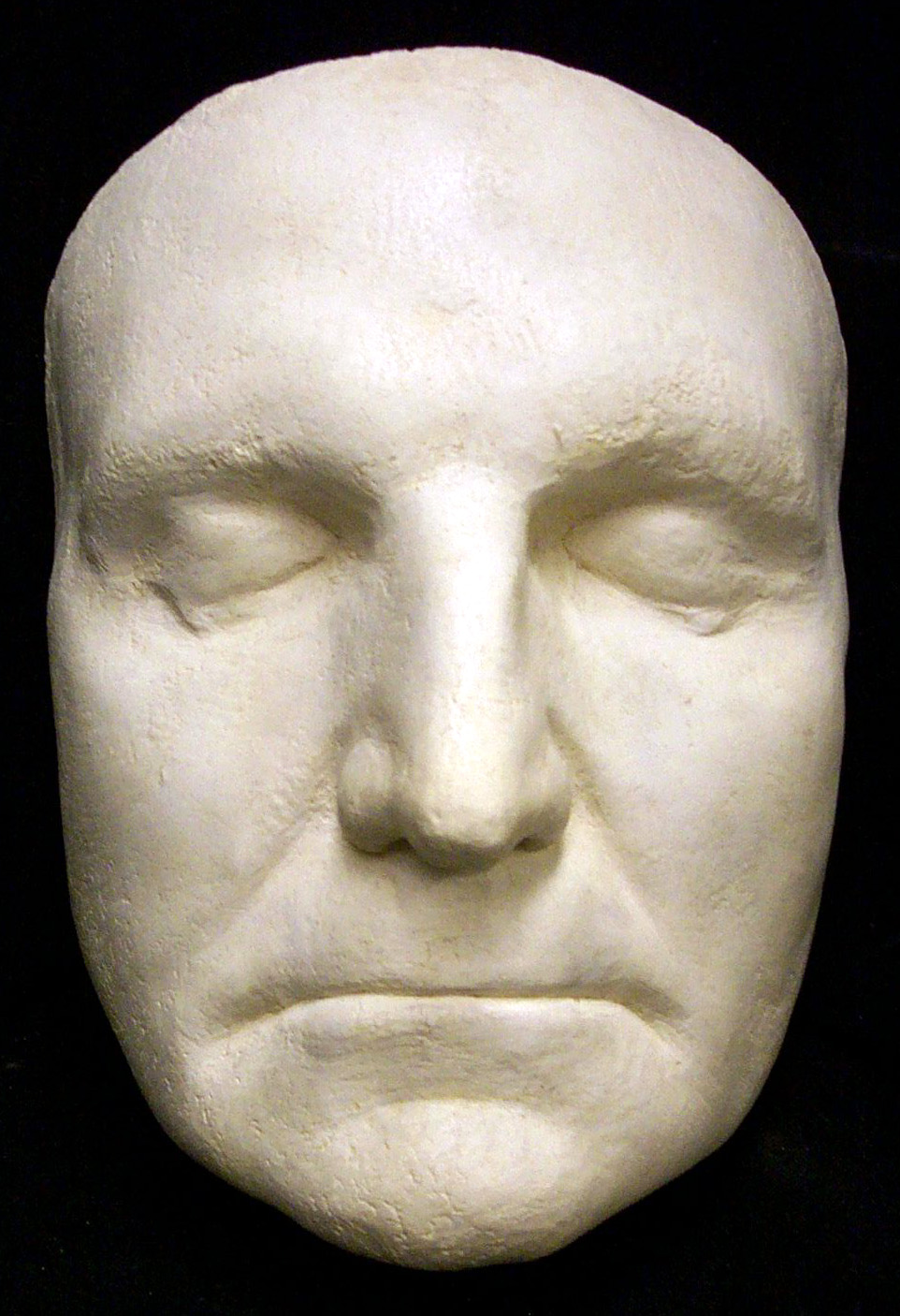
identifying corpses {turned} into a spectacle"2. None of the thousands who passed
through each day and viewed this particular young girl came forward to identify her.
Eventually a death mask was taken - whether because this was standard procedure or
because of the haunting beauty of the face is not certain. She was recorded in the
morgue's books as "ecadavre feminin inconnu" - an unknown female body. The body
was buried in an unmarked grave. The mask was copied countless times - hanging in
art studios and sitting rooms, till the unknown girl of the Seine was one of the most
recognisable faces of Europe.
Because no one knew the woman's identity she acquired the name "L'inconnue de la
Seine". One theory has her as a Hungarian music hall artist who performed at the
famous Funambules theatre, and had an affair with a wealthy married Parisian called
Roland Vittes. He, so the story goes, was unsuccessfully blackmailed by one Louis
Argon, a convicted criminal. Either of these men could have killed her and dumped her
in the Seine. But there were no marks of violence on her body, and so it was generally
through each day and viewed this particular young girl came forward to identify her.
Eventually a death mask was taken - whether because this was standard procedure or
because of the haunting beauty of the face is not certain. She was recorded in the
morgue's books as "ecadavre feminin inconnu" - an unknown female body. The body
was buried in an unmarked grave. The mask was copied countless times - hanging in
art studios and sitting rooms, till the unknown girl of the Seine was one of the most
recognisable faces of Europe.
Because no one knew the woman's identity she acquired the name "L'inconnue de la
Seine". One theory has her as a Hungarian music hall artist who performed at the
famous Funambules theatre, and had an affair with a wealthy married Parisian called
Roland Vittes. He, so the story goes, was unsuccessfully blackmailed by one Louis
Argon, a convicted criminal. Either of these men could have killed her and dumped her
in the Seine. But there were no marks of violence on her body, and so it was generally
| Answer to Quiz #132 - October 29, 2007 |
| The face on this death mask of an unknown woman is the most kissed of all time. Why? |
| ********** |
I predict quiz #132 will be another winner because although it was not too difficult, you
will receive a great variety of interesting and unusual responses from the quizmasters
--some of them may know of situations where CPR training with Anne has led to the
saving of a life. Dr. Archer Gordon's account from 1960 when he first learned about
Resusci-Anne and Asmund Laerdal from Norway is paramount. Stan Read
*****
I, myself have kissed Annie. Not bad but lacking true passion. LOL Jim Kiser
*****
Apparently, the face from the death mask of an unknown woman was used by a
toymaker for the face of the RescusiAnnie. This supposedly makes it the most kissed
face. (I thought she looked familiar.) John Chulick
*****
I have trained on Resusci Anne manny times and to find out that her face is that of a
beautiful drowned girl from the turn of the 19th century is just a little overwhelming.
My thanks to her and her contribution to the world. Rhonda Taylor
*****
Very cool! I never knew this. Mary South
*****
Although I too have kissed this woman, I didn't realize who it was at the time... or until
now for that matter... Interesting history... Fun one! But! This one was too easy...
Suzan Farris
*****
Wow! How easy this was to find. I googled "death mask" and on the first page found
the Britannica MetaFilter site giving the information about Resusci Anne. Venita Wilson
*****
Of all the quizes I have done here, this was the easiest to find -- with a single Google
search. But, it gave me a glimpse into an interesting niche of our past. I never realized
that this oddly familiar face was considered the epitome of beauty at the end of the
nineteenth and early twentieth centuries! And, it was the inspiration of hoards of artists.
How neat that L'Inconnue de la Seine was immortalized in this way!
Mike Swierczewski
*****
This was waaaay too easy for me. I remembered something about it from my CPR
class last year and a search of woman death mask kissed turned up numerous entries.
I think it is amazing that someone saved her face and it has become so famous,
especially if you believe she died of suicide. She is so beautiful but must have been very
sad and unhappy with her life. Dawn Carlile
*****
It really is an interesting story--and strange that it is an unknown person whose face is
so ubiquitous. You are right--it would be fascinating to learn more about her and her
family, and it's pretty frustrating that her trail deadends at her death mask. Katie Ash
*****
It really is a great story and so sad. Her smile is definitely haunting. I spent about an
hour reading about her before I even remembered to answer the quiz! Thank you again
for leading me to some great history. Alison Lillie
*****
There are a lot interesting stories on wikipedia about this mask. I usually end up
clicking on most of the links on wikipedia and spending way too much time looking at
other stuff.....how did I get to wills of famous people? I guess it's all educational, right?
Gwen Upton
*****
Oh yes... I am in total agreement with you regarding the credibility of the Ewa Lazlo story.
Especially nowadays when anyone can post a webpage, make up some figures and facts that
look official but are totally fictitious. I suppose I should have been more clear that I was just
following a trail of one of the "urban legends" I had previously heard regarding L'Inconnue's
true identity, and speculating on whether it could lead somewhere. I am looking forward to
what you have in store for next week's
mystery. Chris
Gotovac
will receive a great variety of interesting and unusual responses from the quizmasters
--some of them may know of situations where CPR training with Anne has led to the
saving of a life. Dr. Archer Gordon's account from 1960 when he first learned about
Resusci-Anne and Asmund Laerdal from Norway is paramount. Stan Read
*****
I, myself have kissed Annie. Not bad but lacking true passion. LOL Jim Kiser
*****
Apparently, the face from the death mask of an unknown woman was used by a
toymaker for the face of the RescusiAnnie. This supposedly makes it the most kissed
face. (I thought she looked familiar.) John Chulick
*****
I have trained on Resusci Anne manny times and to find out that her face is that of a
beautiful drowned girl from the turn of the 19th century is just a little overwhelming.
My thanks to her and her contribution to the world. Rhonda Taylor
*****
Very cool! I never knew this. Mary South
*****
Although I too have kissed this woman, I didn't realize who it was at the time... or until
now for that matter... Interesting history... Fun one! But! This one was too easy...
Suzan Farris
*****
Wow! How easy this was to find. I googled "death mask" and on the first page found
the Britannica MetaFilter site giving the information about Resusci Anne. Venita Wilson
*****
Of all the quizes I have done here, this was the easiest to find -- with a single Google
search. But, it gave me a glimpse into an interesting niche of our past. I never realized
that this oddly familiar face was considered the epitome of beauty at the end of the
nineteenth and early twentieth centuries! And, it was the inspiration of hoards of artists.
How neat that L'Inconnue de la Seine was immortalized in this way!
Mike Swierczewski
*****
This was waaaay too easy for me. I remembered something about it from my CPR
class last year and a search of woman death mask kissed turned up numerous entries.
I think it is amazing that someone saved her face and it has become so famous,
especially if you believe she died of suicide. She is so beautiful but must have been very
sad and unhappy with her life. Dawn Carlile
*****
It really is an interesting story--and strange that it is an unknown person whose face is
so ubiquitous. You are right--it would be fascinating to learn more about her and her
family, and it's pretty frustrating that her trail deadends at her death mask. Katie Ash
*****
It really is a great story and so sad. Her smile is definitely haunting. I spent about an
hour reading about her before I even remembered to answer the quiz! Thank you again
for leading me to some great history. Alison Lillie
*****
There are a lot interesting stories on wikipedia about this mask. I usually end up
clicking on most of the links on wikipedia and spending way too much time looking at
other stuff.....how did I get to wills of famous people? I guess it's all educational, right?
Gwen Upton
*****
Oh yes... I am in total agreement with you regarding the credibility of the Ewa Lazlo story.
Especially nowadays when anyone can post a webpage, make up some figures and facts that
look official but are totally fictitious. I suppose I should have been more clear that I was just
following a trail of one of the "urban legends" I had previously heard regarding L'Inconnue's
true identity, and speculating on whether it could lead somewhere. I am looking forward to
what you have in store for next week's
mystery. Chris
Gotovac
| Comments from Out Readers |
| Editorial: Pitt pioneer/ The doctor whose legacy was CPR Pittsburgh Post-Gazette August 11, 2003 |
N.B. This story sounds a little too pat for me.
Don't rush to believe it.
Colleen Fitzpatrick
Quizmaster General
Don't rush to believe it.
Colleen Fitzpatrick
Quizmaster General
| The Ewa Laszlo Story http://www.johngoto.org.uk/framer/9text.htm |
| ********** |
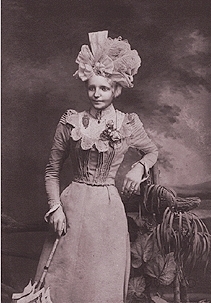
The discovery of the body of a young woman in
the Seine was in itself unremarkable, and yet her
identity and the circumstances surrounding her
death haunted the popular imagination for nearly
a century, until this photograph came to light in
Latin America. Moved by her beauty and
serenity, an attendant at the city morgue had
taken a death mask from her face and later
mass-produced, it became a curio to be seen in
houses across France. A number of writers
fabricated fictions around her life and Man Ray
even attempted a photographic resurrection but
the Seine was in itself unremarkable, and yet her
identity and the circumstances surrounding her
death haunted the popular imagination for nearly
a century, until this photograph came to light in
Latin America. Moved by her beauty and
serenity, an attendant at the city morgue had
taken a death mask from her face and later
mass-produced, it became a curio to be seen in
houses across France. A number of writers
fabricated fictions around her life and Man Ray
even attempted a photographic resurrection but
| Congratulations to Our Winners! Ashley & Jina Rick's Quiz Angels ace another one!!!.. Stan Read Paula Harris Jim Kiser Bob Craig Elena O'Curry Jen Paolilli Mary Fraser Fred Stuart Eric McElroy Jinny Collins Brian Kemp Erica Augustine Ruth Govorchin John Chulick Karne Kay Bunting Corey Wisneski Robert McKenna Judy Pfaff Maria Davis Richard Murray Kitty Huddleston Amy Gustavson Michael Park Brian Exelbierd Mark Brzys Chris Gotovac Rhonda Taylor Mary South Bill Utterback Betty Chambers James Hrubesky Bill Hurley Joshua Kreitzer Betty Ware Marilyn Hamill Clark Aycock Suzan Farris Mary Osmar Sandy Thompson Venita Wilson Kelly Saderholm Dave Richardson Gary Sterne Kelly Fetherlin Maureen O'Connor Mike Swierczewski Sue Edminster Marjorie Wilser Dawn Carlile Mark Ream Katie Ash Andy Hoh Alison Lillie Elaine C. Hebert Clayton Sibbett Kitty Huddleston Karen Petrus Debbie Sterbinsky Mary Beth Emmerichs Skip Brott Phyllis Barattia Karen Rhea Andy Hoh Barbara Battles Gene Glass Greg Webster Dennis Brann David Town Diane Burkett Dawn Colket Jeff and Lisa Tawney Anna Farris Carl Blessing Mike Dalton Edee Scott Erin McBroom Stephanie Shaw Richard Cleveland Ryan Cook Tye McQueen John Roberts Gwen Upton Kae Gregis Margaret English Cathy Miller Donna Van Benschoten Sharon Martin Grace Hertz Sheri Fenley Jancin Stuart Evan Hindman Polly Kimmitt Pamela Hoffman |
Though he was nominated three
times, Peter Safar never won the
Nobel Prize for medicine. He
should have, though, because
because the work of the Pitt
physician who died Sunday from
cancer was used by ordinary
people to save countless lives.
Read more
times, Peter Safar never won the
Nobel Prize for medicine. He
should have, though, because
because the work of the Pitt
physician who died Sunday from
cancer was used by ordinary
people to save countless lives.
Read more
| For Further Reading A Reader's Guide to William Gaddis's The Recognitions Influence and authenticity of l'Inconnue de la Seine By Anja Zeidler http://williamgaddis.org/recognitions/inconnue/index.shtml A Death Mask to Help Save Lives (The Story of Resusci-Anne) Archer S. Gordon, M.D., Ph.D Pioneer in Resuscitation www.sca-aware.org/library/history/archer-gordon-story-of-resusci-anne.pdf |

| The death mask is that of an unknown Parisian girl who drowned in the River Seine in late 1800s. She came known as L'Inconnue de la Seine. The mask later became the face of the CPR Annie, making her the most kissed girl in the world. |
| ********** |

| ***** |
| L'Inconnue de la Seine by Geoff Watts http://www.singlearticles.com/the-girl-from-the-a3576.html http://everything2.com/?node_id=1804949 |


assumed that she must have
committed suicide, perhaps to
escape from some other
unrequited love affair, perhaps
from sheer poverty.
Although largely unknown
outside Europe, L'inconnue de
la Seine became something of
an icon in the France of the
1920s and 1930s. She
fascinated Albert Camus,
Anais Nin, Maurice Blanchot,
Rainer Maria Rilke and other
European poets and writers.
Among those inspired to
create fictional accounts of
the girl's death was the
Liverpool-born Richard le
Gallienne. His story tells how
the man who made the mask
fell in love with its deceased
subject, went mad, and
eventually followed her into
the Seine.
The German writer Reinhold
Conrad Muschler was another
committed suicide, perhaps to
escape from some other
unrequited love affair, perhaps
from sheer poverty.
Although largely unknown
outside Europe, L'inconnue de
la Seine became something of
an icon in the France of the
1920s and 1930s. She
fascinated Albert Camus,
Anais Nin, Maurice Blanchot,
Rainer Maria Rilke and other
European poets and writers.
Among those inspired to
create fictional accounts of
the girl's death was the
Liverpool-born Richard le
Gallienne. His story tells how
the man who made the mask
fell in love with its deceased
subject, went mad, and
eventually followed her into
the Seine.
The German writer Reinhold
Conrad Muschler was another
who exploited the death as raw material for a story. The British literary critic Al Alvarez
describes his effort as "sickly": a tear jerker that was filmed soon after publication and
became a 1930s equivalent of Love Story. It's even suggested that L'Inconnue was the
erotic ideal of her day, with an influence similar to that of Brigitte Bardot in the 1950s.
It is at this point that the posthumous life of the girl in the Seine begins moving towards
her destiny in medicine. In the late 1950s two doctors, one American, one Norwegian,
met at a conference on anaesthetics being held in Norway. The American, Peter Safar
was among the pioneers of mouth-to-mouth resuscitation; Bjørn Lind worked at the
hospital in Stavanger. Safar rightly believed that the best way of teaching people to
perform CPR would be to make a training mannequin. Lind said he knew of someone
who could do it: a man called Ãsmund Laerdal who also lived in Stavanger.
Laerdal, who had begun his career by studying marketing and advertising, ran a firm
that published children's books and made wooden toys. He had also moved into plastics
and begun to manufacture a range of toy cars and children's dolls. Among his biggest
successes was a doll marketed under the name "Anne". Keen to diversify his business,
he began making medical products: specifically plastic imitation wounds on which
members of the Norwegian Civil Defence could practise their first-aid skills. Would he
describes his effort as "sickly": a tear jerker that was filmed soon after publication and
became a 1930s equivalent of Love Story. It's even suggested that L'Inconnue was the
erotic ideal of her day, with an influence similar to that of Brigitte Bardot in the 1950s.
It is at this point that the posthumous life of the girl in the Seine begins moving towards
her destiny in medicine. In the late 1950s two doctors, one American, one Norwegian,
met at a conference on anaesthetics being held in Norway. The American, Peter Safar
was among the pioneers of mouth-to-mouth resuscitation; Bjørn Lind worked at the
hospital in Stavanger. Safar rightly believed that the best way of teaching people to
perform CPR would be to make a training mannequin. Lind said he knew of someone
who could do it: a man called Ãsmund Laerdal who also lived in Stavanger.
Laerdal, who had begun his career by studying marketing and advertising, ran a firm
that published children's books and made wooden toys. He had also moved into plastics
and begun to manufacture a range of toy cars and children's dolls. Among his biggest
successes was a doll marketed under the name "Anne". Keen to diversify his business,
he began making medical products: specifically plastic imitation wounds on which
members of the Norwegian Civil Defence could practise their first-aid skills. Would he
| The Resuscitation Greats Asmund S. Laerdal Resuscitation 53 (2000) pp 115-119 Nina Tjomsland and Peter Baskett |
consider making a resuscitation mannequin,
asked Lind.
Laerdal was enthusiastic. He had once rescued
his own two-year-old son Tore from
drowning, and then had to clear the child's
airways. For the next two years he worked on
developing a mannequin that looked realistic,
had a head that could be turned, and a chest
that would move as it was inflated. But what
gender should it be?
Not male, for sure. Macho men, Laerdal felt,
asked Lind.
Laerdal was enthusiastic. He had once rescued
his own two-year-old son Tore from
drowning, and then had to clear the child's
airways. For the next two years he worked on
developing a mannequin that looked realistic,
had a head that could be turned, and a chest
that would move as it was inflated. But what
gender should it be?
Not male, for sure. Macho men, Laerdal felt,

1. Introduction
In 1958, one of the most
fortuitous meetings in the history
of resuscitation occurred: Dr Peter
Safar from the United States, and
Dr Bjerrn Lind from the Stavanger
hospital, both attended a
conference..... Read more
In 1958, one of the most
fortuitous meetings in the history
of resuscitation occurred: Dr Peter
Safar from the United States, and
Dr Bjerrn Lind from the Stavanger
hospital, both attended a
conference..... Read more

| Vintage Resusci Annie doll for sale on eBay |
might be reluctant to perform the kiss of life on a dummy of their own sex. It had to be
a woman, but with whose image? Laerdal already knew and had been moved by the
story of the girl in the Seine. Besides acting as a fitting memorial to L'inconnue, he
thought, a mannequin with attractive features (beautiful but not sexy, according to one
commentator) would be an added inducement to those learning the technique.
In choosing a name, Laerdal opted to stick with Anne, tagging "Resusci" at the front to
distinguish her from his more familiar doll. The new training mannequin began to sell
well in Norway. The US proved less susceptible to her charms. On Laerdal's first visit
he sold only one and that was at half price. It took several more years to convince the
US authorities. But Anne's submissive teaching eventually made its mark and began to
save American as well as European lives.
Resusci Anne acquired new talents. When researchers in the US showed that pressing
hard on the chest could maintain a flow blood to the brain, Laerdal modified his
mannequin to allow trainees to practise external chest compression as well as
ventilation. He developed a sibling for Anne, one that could generate an immediate
a woman, but with whose image? Laerdal already knew and had been moved by the
story of the girl in the Seine. Besides acting as a fitting memorial to L'inconnue, he
thought, a mannequin with attractive features (beautiful but not sexy, according to one
commentator) would be an added inducement to those learning the technique.
In choosing a name, Laerdal opted to stick with Anne, tagging "Resusci" at the front to
distinguish her from his more familiar doll. The new training mannequin began to sell
well in Norway. The US proved less susceptible to her charms. On Laerdal's first visit
he sold only one and that was at half price. It took several more years to convince the
US authorities. But Anne's submissive teaching eventually made its mark and began to
save American as well as European lives.
Resusci Anne acquired new talents. When researchers in the US showed that pressing
hard on the chest could maintain a flow blood to the brain, Laerdal modified his
mannequin to allow trainees to practise external chest compression as well as
ventilation. He developed a sibling for Anne, one that could generate an immediate

printout of the effectiveness with which users had
applied themselves to her. And there was even a happy
event: the birth of Resusci Baby.
Laerdal himself prospered. By the time he died in 1981
the company he had created was a market leader in
manufacturing all sorts of medical equipment. He had
also set up a foundation to support research and
education in emergency medicine.
There was a time when the recently deceased could be
hauled from their graves, and might finish their earthly
existence as material for medical research or for training
doctors in anatomy. By the time L'inconnue met her
watery demise, body snatching had ceased. But what
applied themselves to her. And there was even a happy
event: the birth of Resusci Baby.
Laerdal himself prospered. By the time he died in 1981
the company he had created was a market leader in
manufacturing all sorts of medical equipment. He had
also set up a foundation to support research and
education in emergency medicine.
There was a time when the recently deceased could be
hauled from their graves, and might finish their earthly
existence as material for medical research or for training
doctors in anatomy. By the time L'inconnue met her
watery demise, body snatching had ceased. But what
happened to her was not so very different. Her body was left intact but her identity was
stolen: after all, there was no one to give permission to use either her story or her face.
Laerdal probably imagined that by giving his mannequin the face of L'inconnue he was
paying tribute to a woman who should not have died. Or perhaps he liked the idea that,
like all those writers and poets, he could rewrite her story. The difference was that his
would have a happy ending.
stolen: after all, there was no one to give permission to use either her story or her face.
Laerdal probably imagined that by giving his mannequin the face of L'inconnue he was
paying tribute to a woman who should not have died. Or perhaps he liked the idea that,
like all those writers and poets, he could rewrite her story. The difference was that his
would have a happy ending.
| ********** |
| ********** |
| ********** |
to no avail, the puzzle remained
intractable.
It was whilst in Buenos Aires,
attending a conference dedicated
to Jorge Luis Borges on The
Myth of the Gaucho, that Dr.
Harry Battley found this
carte-de-visite in a junk shop.
The face seemed familiar and on
returning to London he referred
to his copy of Das Ewige Antlitz
and
intractable.
It was whilst in Buenos Aires,
attending a conference dedicated
to Jorge Luis Borges on The
Myth of the Gaucho, that Dr.
Harry Battley found this
carte-de-visite in a junk shop.
The face seemed familiar and on
returning to London he referred
to his copy of Das Ewige Antlitz
and
confirmed that this was indeed the young woman found in the Seine. His curiosity
roused, Battley determined to solve the mystery. Two clues within the picture proved
vital to his enquiry - the brooch worn by the woman and a contaminating fingerprint in
the fabric of the photograph that had become more visible with time. Battley discovered
that the setting was designed by Marcus Villard for a wealthy bon viveur, Monsieur
Roland Vittes. A visit to Vittes' elderly daughter allowed him access to her parents
papers, amongst which he found a note, from husband to wife, vehemently denying
acquaintance with 'the Hungarian woman Ewa Lazlo'. Further enquiries confirmed that
a music-hall artist of that name, whose description fitted the photograph, had
performed at the Theatre de Funambules during the summer in question. Although the
identity of L'inconnue seemed now to be established, the circumstances of her death
were not.
Battley naturally began his investigations into the fingerprint at the records office of the
Prefecture de Police in Paris but was disappointed to learn that they had not started
taking prints until 1913. An unexpected piece of good fortune awaited him in Argentina;
records went back to 1894 and the print was matched to that of a convicted
blackmailer, Louis Argon. It was Argon's bad luck that fleeing France he should pick
Buenos Aires where the Croatian immigrant Juan Vucetich was already operating his
comparative fingerprinting system within the police department. Dr. Battley asserts that
Argon escaped the country after a failed attempt to blackmail Vittes about his liaison
with the actress. The long held belief that L'Inconnue committed suicide now appears
less likely than that she met her end at the hands of Louis Argon. The records in
Buenos Aires also reveal that Argon was murdered in the last year of the century,
knifed in a bar-room brawl by a gaucho.
roused, Battley determined to solve the mystery. Two clues within the picture proved
vital to his enquiry - the brooch worn by the woman and a contaminating fingerprint in
the fabric of the photograph that had become more visible with time. Battley discovered
that the setting was designed by Marcus Villard for a wealthy bon viveur, Monsieur
Roland Vittes. A visit to Vittes' elderly daughter allowed him access to her parents
papers, amongst which he found a note, from husband to wife, vehemently denying
acquaintance with 'the Hungarian woman Ewa Lazlo'. Further enquiries confirmed that
a music-hall artist of that name, whose description fitted the photograph, had
performed at the Theatre de Funambules during the summer in question. Although the
identity of L'inconnue seemed now to be established, the circumstances of her death
were not.
Battley naturally began his investigations into the fingerprint at the records office of the
Prefecture de Police in Paris but was disappointed to learn that they had not started
taking prints until 1913. An unexpected piece of good fortune awaited him in Argentina;
records went back to 1894 and the print was matched to that of a convicted
blackmailer, Louis Argon. It was Argon's bad luck that fleeing France he should pick
Buenos Aires where the Croatian immigrant Juan Vucetich was already operating his
comparative fingerprinting system within the police department. Dr. Battley asserts that
Argon escaped the country after a failed attempt to blackmail Vittes about his liaison
with the actress. The long held belief that L'Inconnue committed suicide now appears
less likely than that she met her end at the hands of Louis Argon. The records in
Buenos Aires also reveal that Argon was murdered in the last year of the century,
knifed in a bar-room brawl by a gaucho.


| Lawrence Hutton Collection of Famous Life and Death Masks http://libweb.princeton.edu/libraries... |
| Isaac Newton English Scientist 1642-1722 Death Mask |
| William Tecumseh Sherman US General 1820-1891 Death Mask |
| Jonathan Swift Irish Author 1667-1745 Death Mask |

| Ulysses S Grant US General 1822-1885 Death Mask |


| Franz Liszt Hungarian Composer 1811-1886 Death Mask |
| Abraham Lincoln US President 1809-1865 Life Mask |
| Oliver Cromwell English Statesman 1599-1658 Death Mask |


| John James Audubon American Naturalist 1785-1851 Life Mask |
| Benjamin Franklin American Statesman 1706-1790 Life Mask |
| Robert E. Lee Confederate General 1807-1870 Life Mask |