To me that one was easy. Portland, Maine is where Neil Dow, the father of the
prohibition movement, was born and started his flowery political career.
Fred Stuart
*****
Now, we've done beer, cigars, candy (the chicken dinner truck), ice and poker
(Deadwood)… I think soda, chocolate or ice cream should be next…. Mary Fraser
*****
The happy men around the beer truck reminded me of the song "Happy Days Are Here
Again". I was eight years old in 1933 and remember the melody. Franklin D.
Roosevelt's presidency campaign made good use of the song. Stan Read
*****
I could not find a link for the truck with the Yankees, other than maybe the truck was
heavy,slow and full of beer,much like Babe Ruth. Dan Schlesinger
*****
Again the Angels aced out Mr. Rick...anything that deals with booze and they are right
on it. Rick Mackinney
*****
My very proper grandfather became a "criminal" during prohibition, because he didn't
want to go without his beer so he brewed it in the basement. He never got caught, but
my mom remembers many instances of hearing a minor explosion as an overly-
fermented bottle blew up. Pamela Hoffman
*****
just as a side note... i had put together my son's Easter basket this year with an eclectic
mix of "hoppy" beers; one of them was a little more special than the others [hence more
expensive] so I told him to save it for a special occasion. He sent me email April 7 to
say he cracked it open that nite in celebration of the "New Beer's Eve -- April 7, 1933".
So i had actually looked up this event a week ago... Have a great week!
Karen Petrus
*****
The truck is interesting and I found a photo of one similar with the number on the
canopy which was used by the Lion Brewery in Detroit. Wonder if that was having to
do with the licensing for alcohol distribution or if it was the model of the truck. Also
interesting is the nifty grating that rolls up into the cylinder over the door (bldg. in
background). Cheri Black
*****
Here in Michigan the Strohs Company ran a dairy and still sell their ice cream today. It
is not beer flavored! Judy Pfaff
*****
I found it interesting that, "Jacob died of cirrhosis at the age of 74, an illness brought
on by the years of testing the very brew he sold." Karen Kay Bunting
****
I spent most of my time trying to get the connection to baseball!) Maureen O'Connor
*****
I thought the beer truck was very cute. It is a pre-WWI truck so must have been
about 20 yrs old in that picture. You can read enough of the brewery name in the
photo to pin it down to the Yankees. Carolyn Cornelius
prohibition movement, was born and started his flowery political career.
Fred Stuart
*****
Now, we've done beer, cigars, candy (the chicken dinner truck), ice and poker
(Deadwood)… I think soda, chocolate or ice cream should be next…. Mary Fraser
*****
The happy men around the beer truck reminded me of the song "Happy Days Are Here
Again". I was eight years old in 1933 and remember the melody. Franklin D.
Roosevelt's presidency campaign made good use of the song. Stan Read
*****
I could not find a link for the truck with the Yankees, other than maybe the truck was
heavy,slow and full of beer,much like Babe Ruth. Dan Schlesinger
*****
Again the Angels aced out Mr. Rick...anything that deals with booze and they are right
on it. Rick Mackinney
*****
My very proper grandfather became a "criminal" during prohibition, because he didn't
want to go without his beer so he brewed it in the basement. He never got caught, but
my mom remembers many instances of hearing a minor explosion as an overly-
fermented bottle blew up. Pamela Hoffman
*****
just as a side note... i had put together my son's Easter basket this year with an eclectic
mix of "hoppy" beers; one of them was a little more special than the others [hence more
expensive] so I told him to save it for a special occasion. He sent me email April 7 to
say he cracked it open that nite in celebration of the "New Beer's Eve -- April 7, 1933".
So i had actually looked up this event a week ago... Have a great week!
Karen Petrus
*****
The truck is interesting and I found a photo of one similar with the number on the
canopy which was used by the Lion Brewery in Detroit. Wonder if that was having to
do with the licensing for alcohol distribution or if it was the model of the truck. Also
interesting is the nifty grating that rolls up into the cylinder over the door (bldg. in
background). Cheri Black
*****
Here in Michigan the Strohs Company ran a dairy and still sell their ice cream today. It
is not beer flavored! Judy Pfaff
*****
I found it interesting that, "Jacob died of cirrhosis at the age of 74, an illness brought
on by the years of testing the very brew he sold." Karen Kay Bunting
****
I spent most of my time trying to get the connection to baseball!) Maureen O'Connor
*****
I thought the beer truck was very cute. It is a pre-WWI truck so must have been
about 20 yrs old in that picture. You can read enough of the brewery name in the
photo to pin it down to the Yankees. Carolyn Cornelius

 |  |  |  |
| If you enjoy our quizzes, don't forget to order our books! Click here. |
| If you have a picture you'd like us to feature a picture in a future quiz, please email it to us at CFitzp@aol.com. If we use it, you will receive a free analysis of your picture. You will also receive a free Forensic Genealogy CD or a 10% discount towards the purchase of the Forensic Genealogy book. |

| Quiz #155 Results |


 |  |  |  |


| ********** |
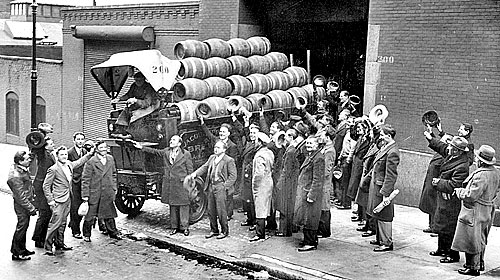
| Answers: 1. They are celebrating the end of Prohibition, March 1933. 2. Beer, what else? Bonus: The truck was owned by Jacob Ruppert, Jr. who also owned the NY Yankees. We also accepted a connection between the Milwaukee Brewers and the contents of the barrels. Click to hear this week quiz's theme song "Happy Days Are Here Again". http://www.youtube.com/watch?v=SESr9D5Gd7A |
| Click here to see our reader's choice for Best Picture and the results of Survey #3, December 22, 2006. |
| ********** |
| See results of Survey #2 May 12-19, 2006 Click here. |
| See results of Survey #1 December 9-16, 2005 Click here. |
| Dead Horse Update Click HERE to read our analysis of the Dead Horse Picture from the Sheboygan Press. |

| Answer to Quiz #155 - April 13, 2008 |
| Click here to see our reader's choice for Best Picture and the results of Survey #4, August 12, 2007. |
| ********** |
| 75 Years after the End of Prohibition By Jeremiah McWilliams ST. LOUIS POST-DISPATCH 04/06/2008 http://www.stltoday.com/stltoday/business/stories.nsf/story/A33249BAF0CA9333862574220016080A?OpenDocument |
April 6, 1933. Midnight was
approaching. A crowd of
perhaps 25,000 milled around
the Anheuser-Busch brewery on
Pestalozzi Street.
Inside the lobby of the Bevo
packaging plant, August A.
"Gussie" Busch Jr., grandson of
the brewery's patriarch, stepped
up to a KMOX microphone.
"April the seventh is here, and it
is a real occasion for
thankfulness," Busch said in his
Midwestern growl. "Happy,
grateful men are back at work
after what seemed an endless
approaching. A crowd of
perhaps 25,000 milled around
the Anheuser-Busch brewery on
Pestalozzi Street.
Inside the lobby of the Bevo
packaging plant, August A.
"Gussie" Busch Jr., grandson of
the brewery's patriarch, stepped
up to a KMOX microphone.
"April the seventh is here, and it
is a real occasion for
thankfulness," Busch said in his
Midwestern growl. "Happy,
grateful men are back at work
after what seemed an endless
| Slide Show Repeal of Prohibition http://www.stltoday.com/mds/news/html/1520 |
Media people get lots of stuff from companies seeking publicity. Much goes unread,
tossed or deleted. NPR's Noah Adams got a box containing a 6-pack of Budweiser
bottles. The beer company was seeking a story on the repeal of prohibition. Budweiser
got its wish, but the beer wasn't the hook. Listen to broadcast...
tossed or deleted. NPR's Noah Adams got a box containing a 6-pack of Budweiser
bottles. The beer company was seeking a story on the repeal of prohibition. Budweiser
got its wish, but the beer wasn't the hook. Listen to broadcast...
| The Day Beer Resumed Flowing, Legally NPR: All Things Considered April 7, 2008 http://www.npr.org/templates/story/story.php?storyId=89441573 |
| ********** |
April 7 marks the 75th anniversary of the official beginning of the end for Prohibition.
On the date in 1933, legal beer production resumed in the United States, sparking
celebration among brewers and imbibers alike. Historian William Rorabaugh, author of
Alcoholic Republic, puts the event into historical context. Listen to broadcast....
On the date in 1933, legal beer production resumed in the United States, sparking
celebration among brewers and imbibers alike. Historian William Rorabaugh, author of
Alcoholic Republic, puts the event into historical context. Listen to broadcast....
| A Beer Story You Can't Pass Up NPR: Reporter's Notebook April 5, 2008 http://www.npr.org/templates/story/story.php?storyId=89408910 |
| Jacob Ruppert Plaque from Monument Park at Yankee Stadium http://gonyc.about.com/od/photogalleries/ig/Yankee-Stadium-Pictures/Jacob-Ruppert.htm |
Prohibition did not close the Jacob
Ruppert Brewery. Yes, production of
regular beer stopped but our (and many
other) breweries made “near-beer,” a
concoction of beer that was below the
Prohibition threshold of .05% alcohol.
We also used our plants to make syrup
and syrup by-products as well as soda
water bottling. The goal was to not only
make enough profit to keep the business
running, but to maintain the employment
of the hundreds of workers. Fortunately,
our family owned the New York Yankees
at the time (1912-1945) and the same
decade of Prohibition was the same as
Ruppert Brewery. Yes, production of
regular beer stopped but our (and many
other) breweries made “near-beer,” a
concoction of beer that was below the
Prohibition threshold of .05% alcohol.
We also used our plants to make syrup
and syrup by-products as well as soda
water bottling. The goal was to not only
make enough profit to keep the business
running, but to maintain the employment
of the hundreds of workers. Fortunately,
our family owned the New York Yankees
at the time (1912-1945) and the same
decade of Prohibition was the same as
| Jacob Ruppert, Sr. Blog entry on Live Journal at http://princessleia2.livejournal.com/330739.html?thread=1368563 |
| 1. What are these men happy about? 2. What's in the barrels? Bonus: What does the truck have in common with a major league baseball team? |
| ********** |
| Thanks to Don Haase for suggesting this quiz. |
the Golden Years of Baseball. The crowds at Yankee Stadium kept the near-beer
flowing and its workers employed.
After Prohibition, the brewery reopened and business was as usual, but the quantity of
flowing and its workers employed.
After Prohibition, the brewery reopened and business was as usual, but the quantity of
| Our quiz photo can be found accompanying the article "The Day the Beer Flowed Again" by Maureen Ogle, Los Angeles Times, April 7, 2008 http://www.latimes.com/news/opinion/la-oe-ogle7apr07,0,1352168.story |
Founder of the Jacob Ruppert Brewing Company. Jacob Ruppert, Sr. was one of the
first and most noted brewers in the US. He was born in NYC and was a son of Franz
and Wilhelmina Zindel-Ruppert of Bavaria. Under he expert guidance of his father,
Jacob learned the brewing trade thoroughly. At ten he began working for his father's
Turtle Bay Brewery in Midtown Manhattan which was then only two years old. Work
was hard for him and his father, as machinery was scarce during the Civil War. In
1867 he opened the Jacob Ruppert Brewing Co. on Manhattan's then-forested Upper
East Side. With a 50 foot square brick building, he opened what was to be the first of
many breweries. The Jacob Ruppert Brewery steadily became one of the largest and
best-equipped breweries in the world. He eventually broadened his entrepreneurial
first and most noted brewers in the US. He was born in NYC and was a son of Franz
and Wilhelmina Zindel-Ruppert of Bavaria. Under he expert guidance of his father,
Jacob learned the brewing trade thoroughly. At ten he began working for his father's
Turtle Bay Brewery in Midtown Manhattan which was then only two years old. Work
was hard for him and his father, as machinery was scarce during the Civil War. In
1867 he opened the Jacob Ruppert Brewing Co. on Manhattan's then-forested Upper
East Side. With a 50 foot square brick building, he opened what was to be the first of
many breweries. The Jacob Ruppert Brewery steadily became one of the largest and
best-equipped breweries in the world. He eventually broadened his entrepreneurial
brew made decreased as a whole generation grew up without beer.
Hard liquors and cocktails flourished during Prohibition as they
were easily transportable to the thousands of “speak easy”
establishments. Beer was bulky and had to be kept refrigerated
which made its production and transportation considerably
conspicuous.
Nonetheless, The Jacob Ruppert Brewery thrived until our family
sold to the Reingold Brewery in 1965. See www.RheingoldBeer.
com
Hard liquors and cocktails flourished during Prohibition as they
were easily transportable to the thousands of “speak easy”
establishments. Beer was bulky and had to be kept refrigerated
which made its production and transportation considerably
conspicuous.
Nonetheless, The Jacob Ruppert Brewery thrived until our family
sold to the Reingold Brewery in 1965. See www.RheingoldBeer.
com
| Jacob Ruppert Brewing Company http://rupperthouse.com/aboutus.html |
for work. His charities were numerous but unostentatious.He married Anna Gillig,
daughter of brewer George Gillig, and had six children: Cornelia, Jacob, Frank, Anna,
George and Amanda, all interred with their father in our family's mausoleum. Jacob died
of cirrhosis at the age of 74, an illness brought on by the years of testing the very brew
he sold.
daughter of brewer George Gillig, and had six children: Cornelia, Jacob, Frank, Anna,
George and Amanda, all interred with their father in our family's mausoleum. Jacob died
of cirrhosis at the age of 74, an illness brought on by the years of testing the very brew
he sold.
interests to include real estate which
became the biggest money maker for the
Rupperts helping them to survive (along
with Jacob Jr's interest in baseball) the
coming war, Prohibition and Great
Depression. Jacob Jr. eventually took over
the brewing business and brought it and
the Ruppert name to greater fame and
glory.Jacob Ruppert, Sr. was a forceful,
single-purposed man with a great capacity
became the biggest money maker for the
Rupperts helping them to survive (along
with Jacob Jr's interest in baseball) the
coming war, Prohibition and Great
Depression. Jacob Jr. eventually took over
the brewing business and brought it and
the Ruppert name to greater fame and
glory.Jacob Ruppert, Sr. was a forceful,
single-purposed man with a great capacity
| ********** |
| ********* |
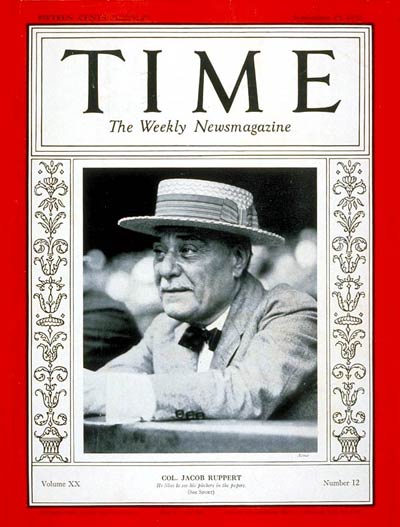
Major League Baseball Team Owner,
US Congressman, Businessman. A
philanthropist, brewer, manufacturer,
sportsman, builder, and adventurer, he
was the son of Jacob and Anna
Gillig-Ruppert, originators of the Jacob
Ruppert Brewery in Olde Yorkville of
Manhattan's upper east side. He served
a Colonel in the 7th Regiment, New
York National Guard and was elected to
US Congressman, Businessman. A
philanthropist, brewer, manufacturer,
sportsman, builder, and adventurer, he
was the son of Jacob and Anna
Gillig-Ruppert, originators of the Jacob
Ruppert Brewery in Olde Yorkville of
Manhattan's upper east side. He served
a Colonel in the 7th Regiment, New
York National Guard and was elected to
| Jacob Ruppert, Jr. |
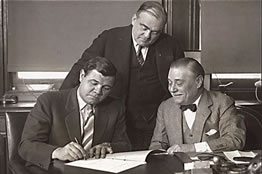
| Babe Ruth and Jacob Ruppert, Jr. http://rupperthouse.com/aboutus.html |
| ********** |
represent New York's 15th and 16th Districts in the United States House of
Representatives, serving from 1899 to 1907. He best known for giving New York City
the New York Yankees and Yankee Stadium. In 1914 he partnered with
Spanish-American War hero Colonel Tillinghast L'Hommedieu Huston (who he soon
bought out of the deal)to buy the then-called New York Highlanders, which they soon
renamed the Yankees. In 1915, Jacob Sr. died, launching younger Jacob to brewery
president as the first sounds of Prohibition began to rumble. The Yankees gave him a
source of income to withstand the throes of Prohibition as the team grew to
unimaginable fame with the likes of such greats Babe Ruth, Lou Gehrig, Waite Hoyt,
Joe Dugan and later Joe DiMaggio. In 1923, he finished building Yankee Stadium, "the
House that Ruth built". Becoming ill with phlebitis of both legs in April of 1938, he did
not attend the World Series that year. Complications grew and he died at his Fifth
Avenue home with family at his bedside. By the time death in 1939, the Yankees won
ten Pennants and seven World Series.
Representatives, serving from 1899 to 1907. He best known for giving New York City
the New York Yankees and Yankee Stadium. In 1914 he partnered with
Spanish-American War hero Colonel Tillinghast L'Hommedieu Huston (who he soon
bought out of the deal)to buy the then-called New York Highlanders, which they soon
renamed the Yankees. In 1915, Jacob Sr. died, launching younger Jacob to brewery
president as the first sounds of Prohibition began to rumble. The Yankees gave him a
source of income to withstand the throes of Prohibition as the team grew to
unimaginable fame with the likes of such greats Babe Ruth, Lou Gehrig, Waite Hoyt,
Joe Dugan and later Joe DiMaggio. In 1923, he finished building Yankee Stadium, "the
House that Ruth built". Becoming ill with phlebitis of both legs in April of 1938, he did
not attend the World Series that year. Complications grew and he died at his Fifth
Avenue home with family at his bedside. By the time death in 1939, the Yankees won
ten Pennants and seven World Series.
| ********** |
| Comments from Our Readers |
| Congratulations to Our Winners Ashley Hicks and Jina Yi, Mr. Rick's Quiz Angels...Go Angels! Fred Stuart Rhonda Hensley Mary Fraser Marjorie Wilser Stan Read Corey Condit Dawn Carlile Mary Osmar Martin Earl Lori Semashko Gina Hudson Anna Farris Andy Hoh Dan Schlesinger Alan Cullinan Frank Nollette Justin Campoli Mike Dalton Cheri Black Frances Miers Muller Marty Guidry Sue Edminster Beth Long Carolyn Cornelius Karen Petrus `Sharon Martin Robert KcKenna Mary Fraser Delores Martin Bill Hurley Judy Pfaff Diane Burkett Gary Sterne Kelly Fetherlin Maureen O'Connor Grace Hertz Mary Fraser Maureen O'Connor Rhonda Hensley Wayne Douglas Marilyn Hamill aka Carrie Nation Milene Rawlinson Delores Martin Kelly Fetherlin Karen Kay Bunting Marjorie Wilser Bob McKenna Karen Kay Bunting Dave Doucette Tom Pincince |


| John Bickerdyke Pub'd by Swan Sonnenschein & Co, 1889 Reprinted by BeerBooks.com 2008 Click here. |
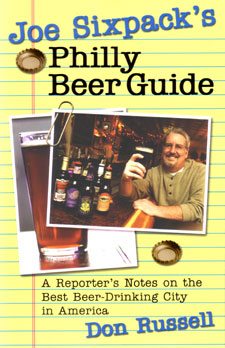
| By Don Russell Pub'd by Camino Books Philadelphia, 2008. Click here. |
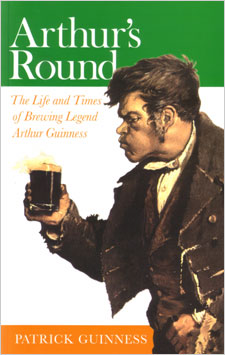
| By Patrick Guinness Peter Owen Publishers London, 2008 Click here. |

| Iorwerth Griffiths Liberties Press Dublin, 2007 Click here. |
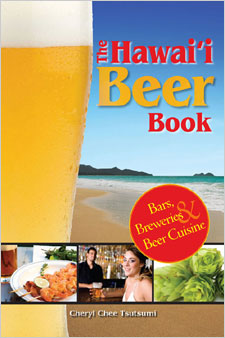
| Cheryl Chee Tsutsumi Watermark Publishing, 2007 Click here. |
At 12:01 a.m. on April 7, 1933, sirens, fire alarms and train whistles shrieked. In
Chicago, harried bartenders scrambled to serve crowds that stood 12 deep. At Pabst
Brewing Co. in Milwaukee, thousands of onlookers cheered as company employees
hoisted barrels and crates onto trucks. About 800 people stood in the rain outside the
White House, watching as a man hopped out of his vehicle and unloaded two cases of
beer. Secret Service agents accepted the goods, a gift for the chief executive from one
of the nation's brewers. "President Roosevelt," read a sign on the side of the truck, "the
first real beer is yours."
After 13 dry years, legal beer had returned to the United States.....Read more...
Chicago, harried bartenders scrambled to serve crowds that stood 12 deep. At Pabst
Brewing Co. in Milwaukee, thousands of onlookers cheered as company employees
hoisted barrels and crates onto trucks. About 800 people stood in the rain outside the
White House, watching as a man hopped out of his vehicle and unloaded two cases of
beer. Secret Service agents accepted the goods, a gift for the chief executive from one
of the nation's brewers. "President Roosevelt," read a sign on the side of the truck, "the
first real beer is yours."
After 13 dry years, legal beer had returned to the United States.....Read more...
| ********** |

| Midnight, St. Louis, April 6, 1933 August A. Busch, Jr. addresses the nation via a KMOX CBS radio broadcast. Photo link. |
| ********** |
| ********** |
| ********** |
idleness".
At 12:01 a.m., sirens and steam whistles blasted. Dozens of Anheuser-Busch trucks
rolled into the streets, carrying their first beer shipments in more than 13 years. Read
more....
At 12:01 a.m., sirens and steam whistles blasted. Dozens of Anheuser-Busch trucks
rolled into the streets, carrying their first beer shipments in more than 13 years. Read
more....
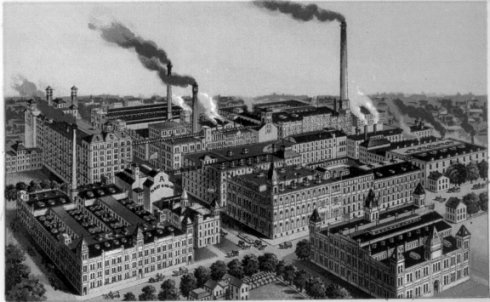
| Pabst -The brewery that lived on survival |
Pabst Brewing Company, one of
the oldest of the great brewing
companies in America, is
celebrated its 150th Anniversary
in 1994 . Since its humble
beginning in 1844, the Pabst
Brewing Company has maintained
a leading position.....Read more
the oldest of the great brewing
companies in America, is
celebrated its 150th Anniversary
in 1994 . Since its humble
beginning in 1844, the Pabst
Brewing Company has maintained
a leading position.....Read more
| ********** |
| ********** |
July 1953 was a curious time for two long-standing St.
Louis traditions: beer and baseball. The Mound City still
had two major league teams with the National League
Cardinals and the American League Browns. For 50
years, these ball clubs had battled for the hearts and
wallets of the city's baseball fans, and by 1953, it was
evident that.....Read more...
Louis traditions: beer and baseball. The Mound City still
had two major league teams with the National League
Cardinals and the American League Browns. For 50
years, these ball clubs had battled for the hearts and
wallets of the city's baseball fans, and by 1953, it was
evident that.....Read more...
| Griesedieck Brothers History |
| ********** |
| Quiz Tip |
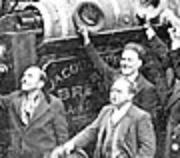
This might be a bit hard to see on some monitors,
but the side of the truck can be enlarged to show
part of the name of the brewery that is shipping
the barrels. "Jaco....", "Bre..." and (between the
arm of the man raising his hat and his head)
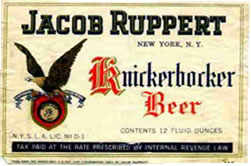
"PP". Searching on Google, you will find links to
Jacob Ruppert, who owned Knickerbocker Beer
and also the NY Yankees.
but the side of the truck can be enlarged to show
part of the name of the brewery that is shipping
the barrels. "Jaco....", "Bre..." and (between the
arm of the man raising his hat and his head)
"PP". Searching on Google, you will find links to
Jacob Ruppert, who owned Knickerbocker Beer
and also the NY Yankees.
